
The Formula 1 events scheduled in Bahrain and Saudi Arabia face a high risk of cancellation due to escalating geopolitical tensions in the Middle East. Rising conflicts linked to U.S. and Israeli military actions against Iran, followed by Iranian retaliatory strikes on Gulf states, have raised serious safety concerns, threatening the races set for April 12 in Bahrain and April 19 in Saudi Arabia. These events are critical as they represent the fourth and fifth rounds of the Formula 1 season.
Both Bahrain and Saudi Arabia, key Gulf nations, have recently experienced missile attacks and regional instability, which directly impact the viability of hosting large international sports gatherings. The safety of teams, staff, and spectators remains the foremost concern amid these developments.
Recent Attacks Near Hosting Circuits and Operational Disruptions
Just a week after Formula 1 teams conducted preseason testing in Bahrain, the region suffered missile strikes targeting a U.S. naval base and nearby residential districts in Manama, Bahrain’s capital. This attack forced the cancellation of a scheduled Pirelli tyre test with some team members still present on-site. Such incidents amplify apprehension regarding the security environment surrounding these Grand Prix events.
Moreover, flights involving Formula 1 teams encountered disruptions en route to the season’s opening Australian Grand Prix due to Middle Eastern airspace complications, further compounding operational challenges overall.
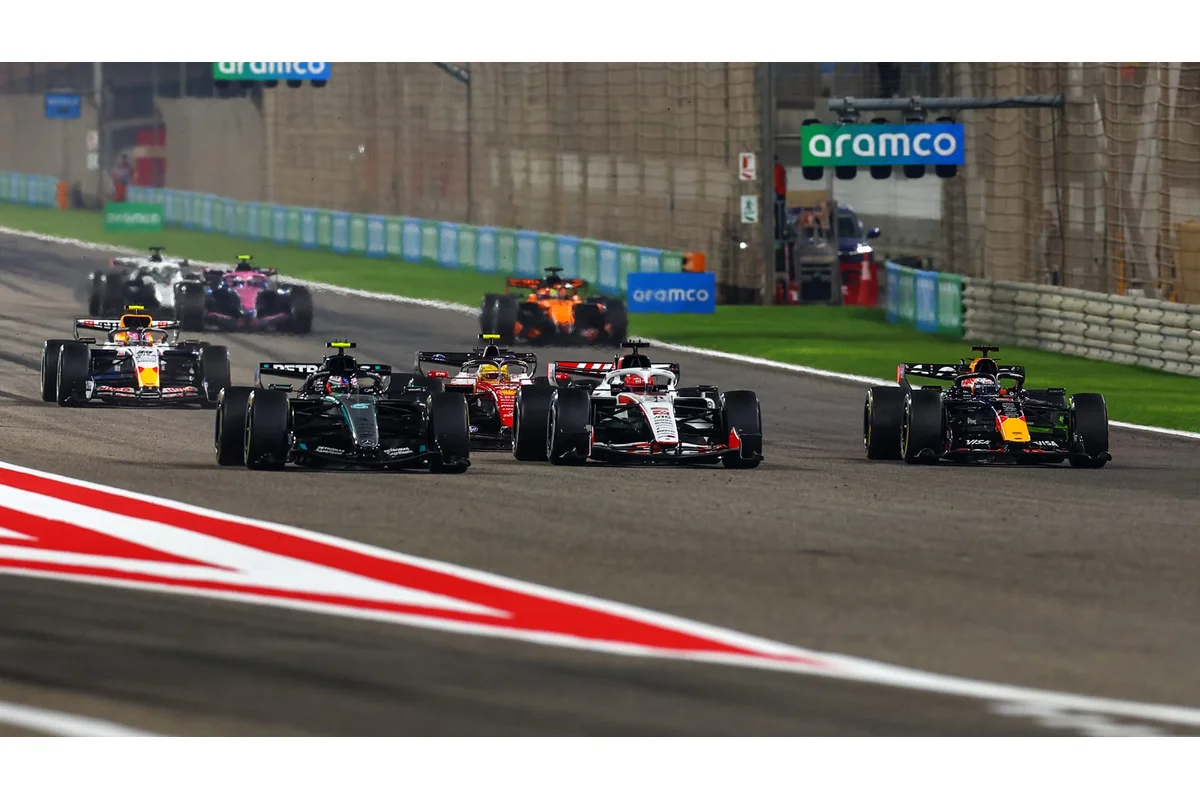
Formula 1 Leadership and Team Officials Address Crisis
Formula 1 CEO Stefano Domenicali is set to meet with team principals to deliberate on the uncertain status of the Middle Eastern races, a topic dominating current discussions at the ongoing Australian Grand Prix in Albert Park. The prevailing sentiment among senior officials is one of skepticism about the races proceeding as planned, given the volatile situation.
“Our approach, first of all, is safety for all the relevant stakeholders, the people and also the [race] promoter itself. We don’t want to do any statement today because, you know, things are so evolving, so changing, that we have still time to make the right decision. And this decision will be taken together,”
Stefano Domenicali, Formula 1 CEO
“All options could be open at the right moment we will make the decision, of course, involving everyone.”
Stefano Domenicali, Formula 1 CEO
Supporting these concerns, McLaren CEO Zak Brown emphasized the priority of safety for everyone connected to the sport, including fans and partners. He slightly addressed financial consequences but indicated that any economic impact would be secondary to health considerations.
“Obviously, the sport, ourselves, the fans, the partners, our race team, all that will be of the utmost importance from a safety point of view. We just have to see how things play out, and we’ll make the right decision for the health of everybody involved in the sport.”
Zak Brown, McLaren CEO
“It all kind of depends. Do the races get replaced? Do they get delayed? And the economics around that.”
“But I think, given what’s going on, we’re not bothered… if it does have a little bit of a financial impact, so be it, with what’s going on.”
Zak Brown, McLaren CEO
Logistical Challenges and Impact on Formula 1 Calendar
Formula 1 faces a tight window of about a week to finalize decisions regarding these two Middle East races, factoring in the complexities of transporting equipment and personnel between venues. An official announcement is expected after the Chinese Grand Prix, which will provide additional clarity on the regional situation.
If these races are canceled, it would create an unusually long break in the racing calendar, with nearly a month gap separating the Japanese Grand Prix on April 29 and the Miami Grand Prix on May 3. Attempts to schedule alternative events on short notice appear highly improbable, largely due to logistical constraints and the packed 24-race calendar extending through to the Abu Dhabi Grand Prix in December.
Sources indicate that rescheduling these events later in the season is unlikely due to existing calendar commitments and concerns that a late-season cancellation could unfairly influence the championship outcome. This adds significant pressure on decision-makers to assess the risks carefully.
Broader Implications for the Season and Sporting Community
The situation underscores the broader vulnerability of global sporting events to geopolitical conflicts, especially in regions with ongoing tensions. The Formula 1 leadership’s focus on collaborative decision-making illustrates the complexity of balancing the sport’s commercial, competitive, and safety priorities in turbulent times. How the crisis unfolds in the coming weeks will determine the fate of the Gulf races and may influence how international events approach security risk assessments in volatile areas moving forward.
