
The 2026 Formula 1 new season has kicked off in Melbourne with the Australian Grand Prix, marking a new era characterized by innovative car designs and revised racing regulations. Teams arrived on the track to compete under greatly changed conditions, aiming to adapt quickly and gain competitive advantage.
Significant Modifications to Cars and Race Regulations
This year’s Formula 1 cars have been redesigned to be shorter and narrower, shedding 32 kilograms in weight to enhance agility and promote closer battles on the track. The power units now feature increased battery capacity, allowing drivers to sustain higher top speeds thanks to enhanced electric power delivery.
Active aerodynamics have been introduced through movable front and rear wings, designed to aid overtaking by enabling cars to follow each other more closely. Notably, the Drag Reduction System (DRS), a staple for 15 years, has been eliminated. Instead, drivers gain access to an ‘overtake mode’ when within one second of the car ahead, intended to encourage more strategic passing maneuvers.
Additionally, a new boost button grants drivers control over a power increase that can be deployed anywhere on the circuit, making energy management and timing crucial components of race strategy. These developments, coupled with reduced downforce from a flatter floor and slimmer wings, have altered racing tactics significantly, demanding teams and drivers revise their approaches during qualifying and race sessions.
Challenges Teams Faced During Opening Practice
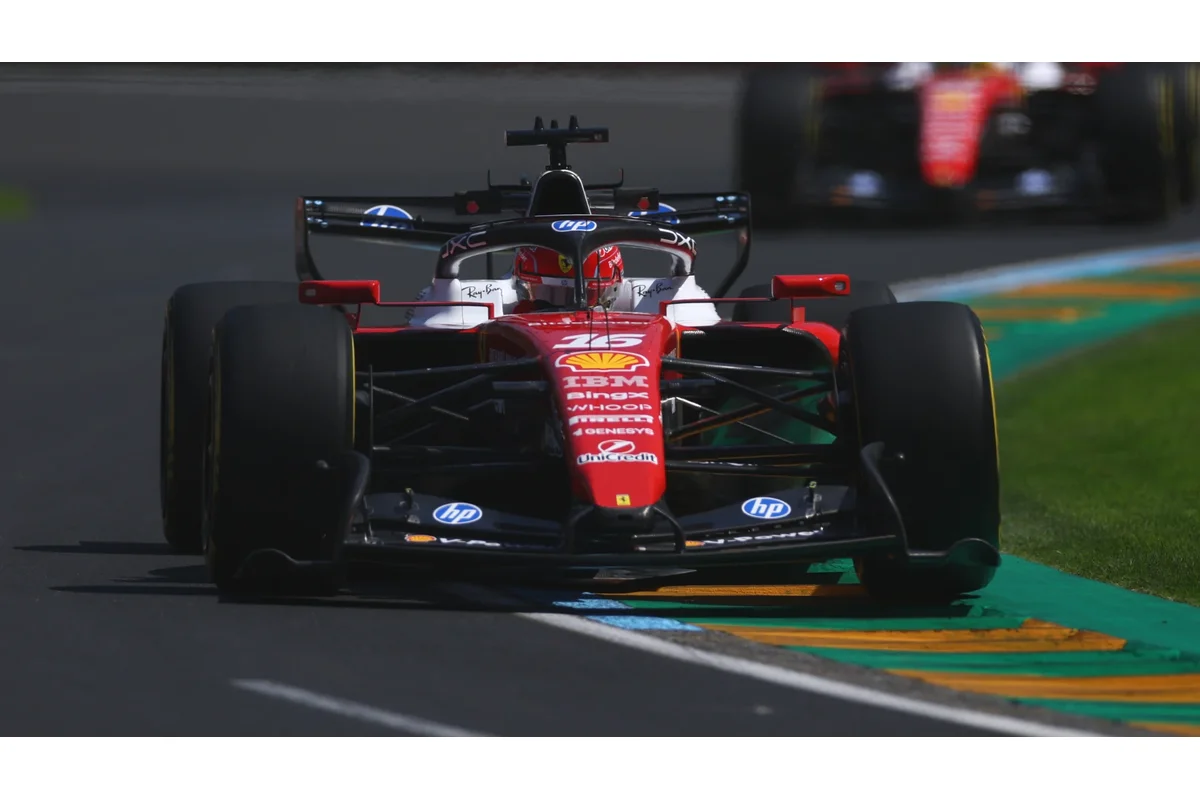
The debut practice sessions displayed a mixture of promise and difficulty. Ferrari emerged as the strongest contender in initial runs, with Charles Leclerc leading the timesheet for the first hour, suggesting readiness to exploit the new regulations. Veteran Lewis Hamilton appeared comfortable with his car after some early adjustments, indicating potential for competitiveness.
Meanwhile, McLaren’s drivers Lando Norris and Oscar Piastri encountered mechanical issues that hampered early progress but managed to find some pace later. Red Bull’s Max Verstappen struggled with engine reliability during the second session, including an off-track excursion that damaged his car’s floor. However, Australian hopeful Piastri set the fastest lap of the day, highlighting his adaptability to the evolving conditions.
Aston Martin continued to face difficulties, struggling to field reliable cars, which raised concerns about their campaign’s trajectory. These mixed results underscore the challenges teams face as they work to master the nuances of the new Formula 1 new season regulations.
New Entrants and Key Personnel Shaping the Grid
The 2026 season welcomes two new teams, reshaping the competitive landscape. Audi has taken over the former Sauber outfit, rebranded as the Audi Revolut F1 Team. The squad retains drivers Niko Hulkenberg and Brazil’s Gabriel Bortoleto, focusing on building a championship-contending operation by 2030. Leadership includes former Ferrari principal Mattia Binotto and Jonathan Wheatley, formerly at Red Bull, who bring extensive Formula One experience to the project.
Joining the grid for the first time is the Silverstone-based Cadillac team, which features an experienced driver lineup with Sergio Perez and Valtteri Bottas. Perez previously raced alongside Verstappen at Red Bull, and Bottas is a known figure from his tenure at Mercedes alongside Lewis Hamilton. Cadillac currently uses Ferrari power units but plans to integrate their own General Motors engines in upcoming seasons.
Red Bull has also made a substantial investment exceeding one billion dollars to develop their own engines in partnership with Ford, aiming to strengthen their technical independence and competitiveness in the new era.
A Promising Rookie Joins a Top Team
The grid features one new driver debuting for the 2026 season. British teenager Arvid Lindblad has stepped into the Racing Bulls seat, replacing Isack Hadjar, who moved up to replace Yuki Tsunoda. At 18 years old, Lindblad is the youngest British driver ever to enter Formula 1, marking a significant milestone. His arrival adds fresh enthusiasm to the sport’s roster of talent.
Meanwhile, the veteran duo of Bottas and Perez, despite missing last season, bring a wealth of experience, combining 16 Grand Prix victories and over 500 race starts among them, offering stability and knowledge to their respective teams.
Adjusting to the New Era of Formula One Racing
The transition to this generation of Formula 1 cars is redefining how teams and drivers approach races. With the cars’ altered aerodynamics, more powerful electrical systems, and revised racing rules forbidding DRS, strategies for qualifying and overtaking have evolved. Drivers must adapt to significantly different handling characteristics, particularly in cornering speed and energy deployment.
The fresh format requiring an additional five-second grid hold before the start allows turbocharger systems extra time to spool up, ensuring optimal performance from the start. Together, these changes are shaping a season of innovation and unpredictability.
As teams and drivers continue to familiarize themselves with the new conditions, the 2026 Formula 1 new season is poised to deliver more dynamic and competitive racing, potentially altering long-standing hierarchies within the sport. With new entrants like Audi and Cadillac investing heavily in long-term success, and established teams adjusting their engineering approaches, fans can expect an exciting evolution in Formula One competition throughout the year.
