
As the countdown to the first race of the 2026 Formula 1 season approaches, serious doubts are surfacing about the new regulations intended to usher in a fresh era of sustainable and thrilling racing. What was meant to deliver closer contests and improved environmental performance is instead causing unease among drivers, teams, and experts, raising fears of potentially dangerous racing conditions and chaotic starts.
Oscar Piastri, the promising McLaren driver viewed as a future champion, voiced stark concerns following the recent pre-season testing in Bahrain. He warned about the risks associated with the new low-downforce cars and the complexities of safe race starts under the updated technical rules.
McLaren Urges Immediate Rule Modifications for Safer Starts and Racing
Andrea Stella, McLaren’s team principal, has called for three critical adjustments to the regulations before the season opener at the Australian Grand Prix on March 8. His primary focus is the grid start procedure, which has become riskier due to the elimination of the MGU-H component that previously boosted turbo response instantly. Now, drivers must rev their V6 engines for over 10 seconds to build sufficient boost, leading to inconsistent launches across the grid and increasing collision risks.
“We need to make sure the race start procedure allows all cars to have the power unit ready to go,”
Stella emphasized.
“The grid is not the place where you want to have cars slow in taking off.”
He described this fix as both straightforward and essential.
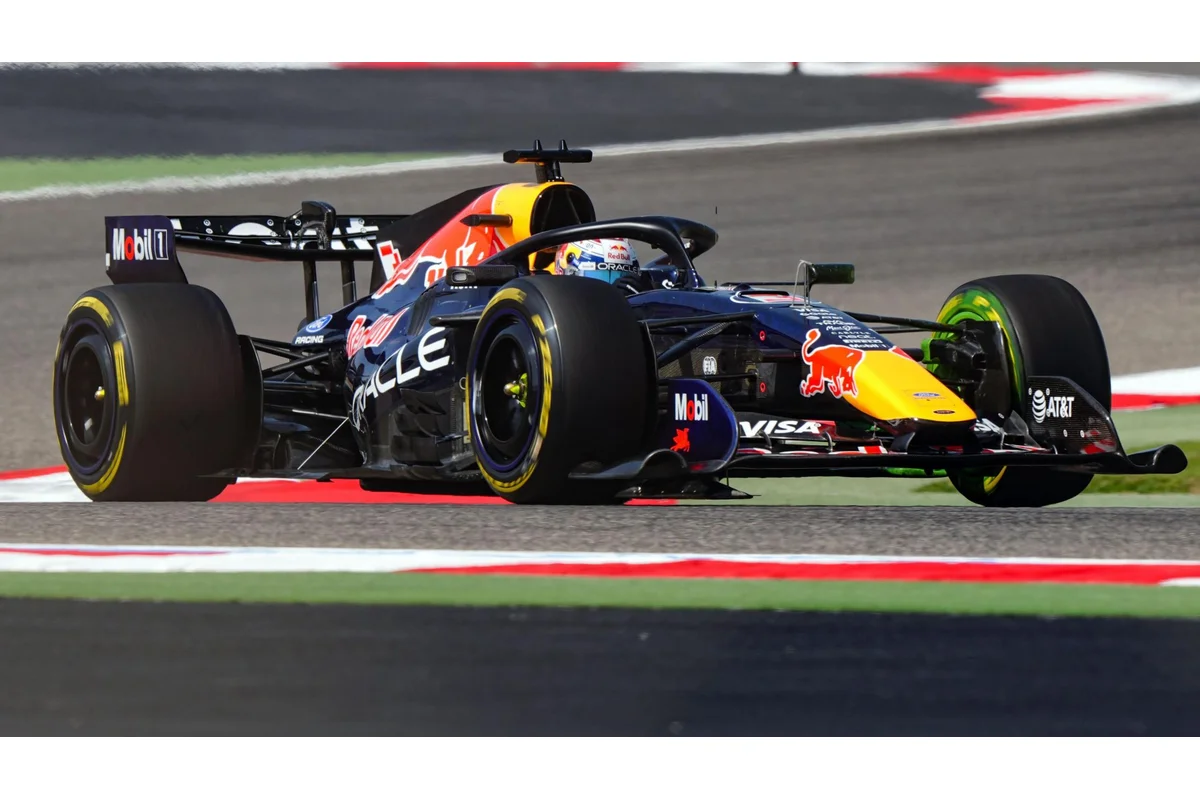
Another major issue Stella highlighted involves energy harvesting. The 2026 rules require drivers to “lift and coast” mid-straight to recharge batteries, a maneuver that can catch competitors off guard when closing at speeds exceeding 200 mph. Stella warned that such scenarios could trigger dangerous accidents reminiscent of Mark Webber’s crash in Valencia in 2010.
Additionally, the replacement of DRS with a new “overtake mode” aimed at simplifying passing has not delivered the expected results. Testing revealed that both pursuing and leading cars experience similar drag and energy use, making overtaking noticeably difficult.
“Our drivers found it extremely difficult to overtake,”
Stella stated.
“Having safety on the grid… is just a no-brainer. It’s a bigger interest than any competitive interest.”
Standing Start Struggles Highlight Testing Challenges
A chaotic practice standing start during testing, caused by miscommunication, underscored the new difficulties introduced by the 2026 regulations. This incident revealed just how fragile the safety and coordination on the grid have become under the revamped rules, intensifying concerns among teams and officials alike.
“Formula 1 test a standing start, fair to say it didn’t go according to plan…#F1 #Formula1 pic.twitter.com/YYygqJQhAT”
— Formula Centric (@formula_centric)
Former F1 Driver Lucas di Grassi Criticizes Hybrid Regulation Design
Lucas di Grassi, the 2016-17 Formula E champion and ex-Formula 1 driver, delivered a harsh assessment of the new 2026 regulations and the hybrid power unit rules. Drawing from his extensive experience in electric racing, he described the Formula 1 hybrid regulations as “extremely badly designed,” attributing much of the fault to FIA decisions.
Di Grassi characterized the new cars as “very slow” and occasionally
“not very efficient or not very raceable,”
predicting that Formula E vehicles might surpass F1 cars in performance on certain circuits, including Monaco. He suggested that future Formula E cars could be “two-three-four-five seconds faster than F1” around tight and technical tracks.
Simulators used by drivers to test the 2026 package have reflected similar frustrations, citing “weird rules” that create “a lot of problems” related to both performance and race dynamics.
Intentions Versus Reality: The Complexities of 2026 Regulatory Changes
The 2026 Formula 1 regulations were designed with ambitious goals in mind: to incorporate nearly 50% electric power output in the power units, introduce active aerodynamics, reduce vehicle weight, and enhance race quality while decreasing environmental impact. However, the recent test results have revealed significant gaps between these aspirations and practical outcomes.
Max Verstappen has compared the new power units to “Formula E on steroids,” highlighting both their power delivery and challenges. While teams expressed concerns as early as mid-2024, the FIA pressed on with the regulatory timeline despite ongoing doubts.
With just weeks remaining until the season launch in Melbourne, Formula 1 faces mounting pressure to address issues that threaten the safety and spectacle of the sport. The F1 Commission is expected to review potential changes soon, but historically, mid-season rule amendments can be complicated and politically charged.
Oscar Piastri remains cautiously optimistic about managing the uncertain characteristics of the new machinery. He acknowledged,
“The characteristics of the car are going to be quite different… Maybe there’ll be a bit more leeway to manage that a bit better this year.”
Implications for the 2026 Season and Beyond
If the 2026 cars prove too slow, difficult to overtake, and carry unforeseen safety hazards, the new era may deliver the opposite of the exciting, sustainable future Formula 1 promised. Fans could face processional races, tense starts, and growing frustration, potentially damaging the sport’s reputation and appeal.
The upcoming Melbourne Grand Prix will be the first true test of the revamped regulations under race conditions. How Formula 1 responds to these early challenges—whether it swiftly recalibrates or proceeds with caution—could determine whether the 2026 season becomes a celebrated transformation or a cautionary example of ambitious change gone wrong.
Formula 1 test a standing start, fair to say it didn't go according to plan…#F1 #Formula1 pic.twitter.com/YYygqJQhAT
— Formula Centric (@formula_centric) February 13, 2026
