
Formula 1 has finalized a multi-year contract with the Circuit de Barcelona-Catalunya, guaranteeing that the venue will host Grands Prix through 2032. The agreement confirms races in 2028, 2030, and 2032, complementing the already scheduled 2026 event, marking a sustained presence for Formula 1 Barcelona Races on the international stage. Starting this season, the event will be officially renamed the Barcelona-Catalunya Grand Prix.
Race Hosting Rotates Between Barcelona and Spa-Francorchamps
According to the new deal, the Barcelona circuit will alternate hosting duties with Belgium’s Circuit de Spa-Francorchamps. Spa is set to manage Grand Prix events in 2026, 2027, 2029, and 2031, while Barcelona secures dates for 2026, 2028, 2030, and 2032, providing fans with a continued mix of iconic European racing locations on the Formula 1 calendar.
Recent Upgrades Enhance Facility and Sustainability Efforts
The extension follows significant facility improvements at the Spanish track. Noteworthy developments include the creation of the Circuit Rooftop, an exclusive hospitality zone with views over key turns and the main straight, enhancing the spectator experience. Additionally, the installation of solar panels contributes to Circuit de Barcelona-Catalunya’s commitment to sustainability initiatives, aligning with broader environmental goals within the sport.
Barcelona Track’s Rich History and Memorable Racing Moments
Established in 1991 as part of preparations for the 1992 Barcelona Olympic Games, the Circuit de Barcelona-Catalunya has remained a critical venue for Formula 1. Its combination of fast and slow corners has produced unforgettable memories, such as Max Verstappen’s first Grand Prix victory in 2016. The circuit consistently draws top talent, including victories from drivers like Lewis Hamilton, Fernando Alonso, and more recently, McLaren’s Oscar Piastri.
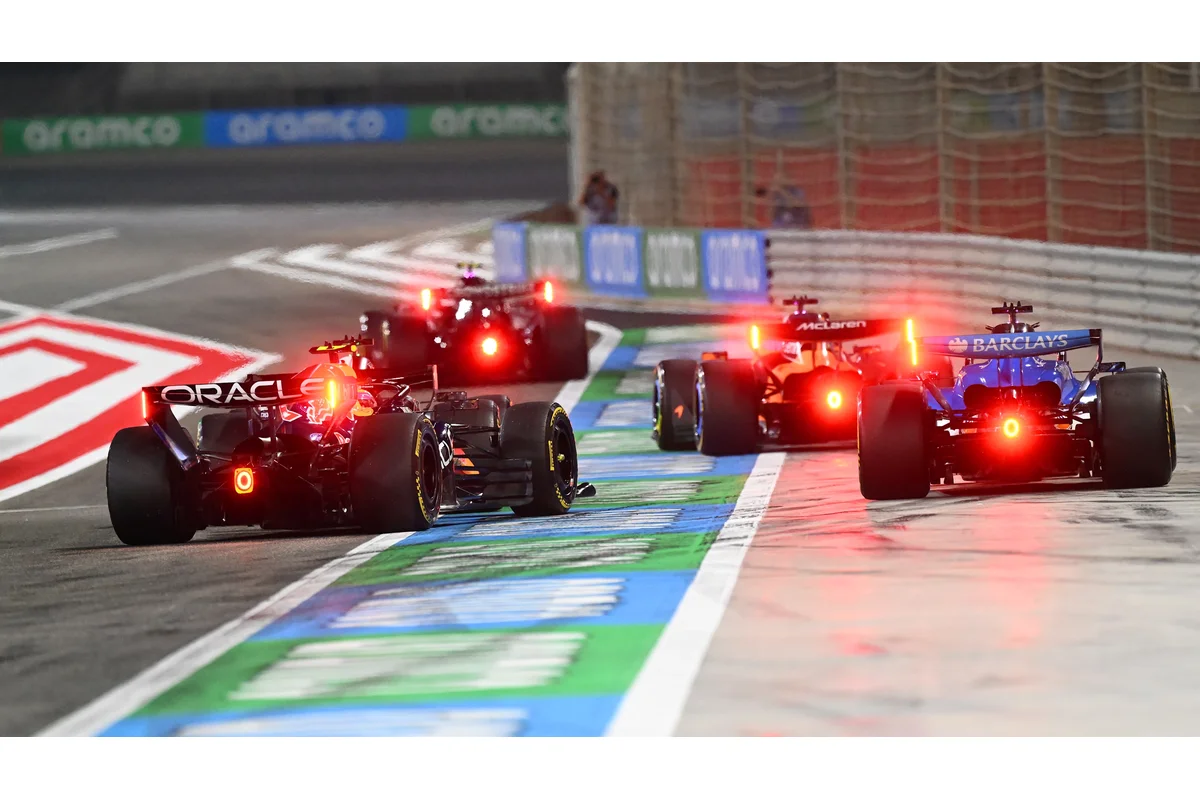
Growing Popularity and Fan Engagement at the Barcelona Event
The 2025 race attracted around 300,000 spectators, showcasing the event’s strong appeal. That year, Oscar Piastri captured the win for McLaren, finishing ahead of teammate Lando Norris, highlighting the team’s recent success. Beyond the race itself, organizers have invested in fan-centric activities, including a fan festival held at Plaça de Catalunya, which has taken place for the last two years and is expected to continue in 2026. This festival aims to embed the Grand Prix more deeply into Catalonia’s cultural and economic life.
Leadership Highlights Significance of Renewal
Stefano Domenicali, President and CEO of Formula 1, expressed his enthusiasm about the renewed partnership, saying,
“Barcelona is an incredible city, and the Formula 1 fans there always welcome us with such passion, so I am delighted that we will continue to race at the Circuit de Barcelona-Catalunya for years to come,”
emphasizing the circuit’s investments and commitment to engaging enthusiasts.
Pol Gibert, CEO of Circuits de Catalunya SL and General Secretary of the Department of Business and Employment, noted the economic impact, explaining,
“This renewal is the result of a strong relationship and close collaboration and represents a very important step in further consolidating Catalonia as a key fixture on the international calendar,”
underlining the event’s substantial influence on regional economic activity, which exceeds €300 million per edition.
Looking Ahead: What This Means for Formula 1 and Catalonia
This extended agreement secures Barcelona’s position as a vital hub for Formula 1 racing for more than a decade. The collaboration with Spa-Francorchamps balances the European race schedule while allowing both circuits to showcase their unique challenges and rich histories. The enhancements to fan experiences and sustainability commitments reinforce Formula 1’s evolution as a global sport that values both tradition and innovation. As the Barcelona-Catalunya Grand Prix continues to grow, it is poised to remain a highlight for drivers, teams, and fans worldwide, while supporting the region’s cultural and economic vitality well into the 2030s.
