
George Russell secured his first win of the season at the Australian Grand Prix by converting his Pole Position into a commanding triumph at Albert Park, reinforcing the effectiveness of the Mercedes W18. This Mercedes victory aligns with pre-season expectations, showcasing a package that rivals had anticipated but that Mercedes downplayed until race day.
Although Ferrari posed a strong challenge during the race, questions about Mercedes’ potential domination remain intertwined with widespread driver dissatisfaction over the 2026 regulations. Russell, currently leading the Championship, however, dismissed the widespread negative opinions aired by other drivers regarding the new generation of Formula 1 cars.
Driver Frustrations With the Latest F1 Cars
The release of the 2026 cars has been met with considerable criticism from many drivers, continuing a pattern of skepticism seen around new regulations. The 2022 changes initially drew similar complaints about handling, which softened only after a few years of more competitive racing and varied championship battles.
Still, this year’s models are broadly regarded by the drivers as inferior compared to their predecessors. A chief concern is how the battery harvesting system affects power delivery, especially the loss experienced on straights, forcing drivers to alter their approach mid-race.
Lando Norris voiced his frustrations in the most recent race weekend, highlighting the challenges posed by the new energy management system:
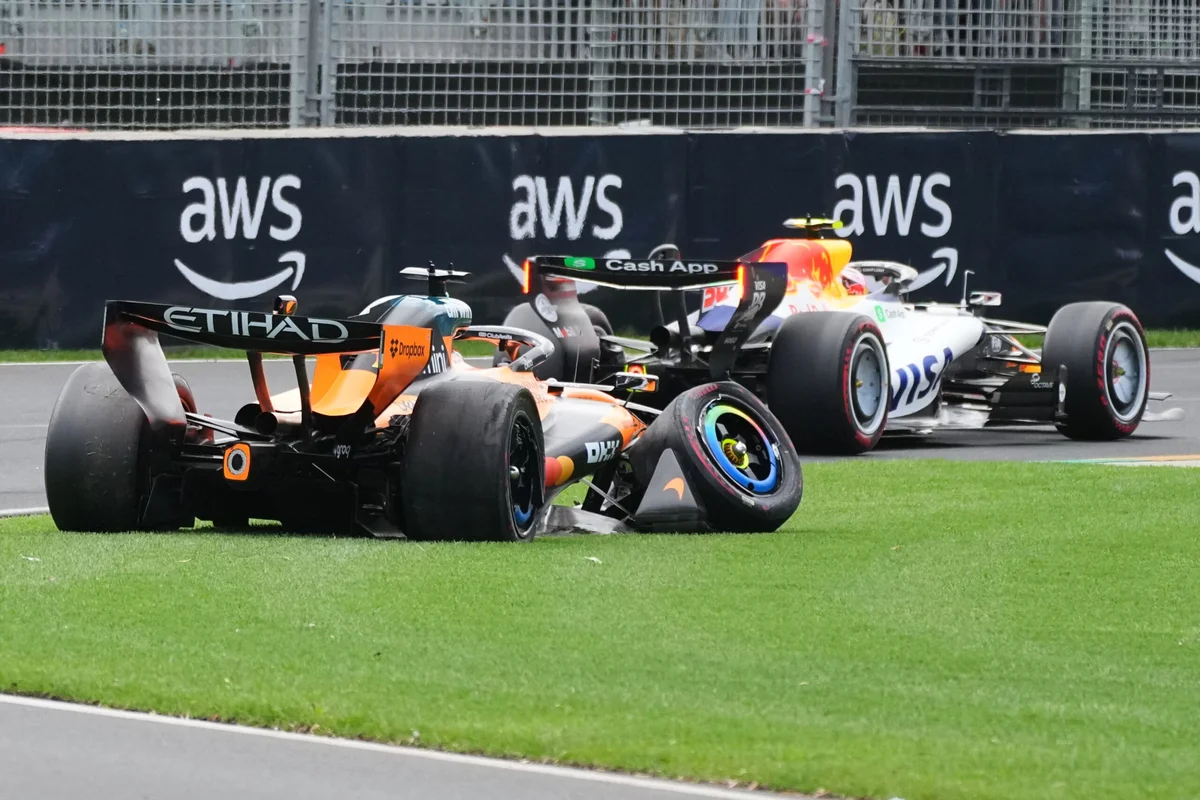
“Straight line mode means you’ve got a lot of other issues at hand. You decelerate so much before corners, you have to lift everywhere to make sure the [battery] pack’s at the top. If the pack is too high, you’re also screwed. We’ve come from the best cars ever made in Formula 1 and the nicest to drive to probably the worst. It sucks.”
This sentiment echoes across the paddock, with drivers like Carlos Sainz and Oliver Bearman also openly expressing dissatisfaction with how these 2026 cars handle. Even established figures such as Max Verstappen, Lewis Hamilton, and Fernando Alonso raised concerns during pre-season testing, signaling early warning signs of driver unrest.
Race Dynamics and Potential Positives From the New Regulations
Beyond driver comfort, the impact on racing spectacle remains crucial for Formula 1’s future. The Australian GP demonstrated that despite some drawbacks, competitive battles could still emerge, helped in part by the introduction of active aerodynamics and the removal of DRS.
The ongoing challenge for drivers is managing the balance between harvesting and deploying energy, a dynamic that, while unusual and regarded by some as gimmicky, creates new opportunities for overtaking and strategic battles. The intense first laps saw Russell and Ferrari’s Charles Leclerc exchanging positions repeatedly in close, wheel-to-wheel combat.
This evolving narrative, strongly supported by Russell and the Mercedes team, argues that the 2026 regulations, despite growing pains, can lead to engaging racing action throughout the field.
Russell’s Response to Critics and Outlook for the Season
Following the race, Russell was asked about the criticisms levelled at the new cars and their overall suitability. His stance suggests a disconnect between drivers experiencing success and those struggling with the current machinery. Russell’s composure and results reinforce his belief that complaints often arise when competitors are not winning.
The season ahead will test whether the advantages held by Mercedes can be challenged and if the regulations evolve to address driver concerns and fan expectations alike. Meanwhile, the ongoing dialogue among drivers, teams, and regulators highlights the tension between performance, enjoyment, and spectacle in modern Formula 1.
