
Everyday drivers simply press a button to start their car, while Formula 1 drivers manage over twenty complex systems even before the car moves. This stark difference originates in the engine, the core of both vehicles but engineered for vastly different purposes. Despite sharing common elements like pistons and fuel, the technology in an F1 engine represents a completely separate level of advancement compared to street engines.
Examining Performance Decisions Beyond the Track
Whether seeking speed, performance upgrades, or even vehicles approaching race-tier specifications, exploring options through performance-focused marketplaces can offer valuable insights. Platforms such as SCA.Auction in New York provide access to a wide range of salvage and clean title vehicles across the United States. These marketplaces cater to dealers, car enthusiasts, and first-time buyers alike, ensuring transparent listings and flexible bidding options while bridging everyday transportation with high-performance aspirations.
Comparing Formula 1 Power Units with Conventional Engines
The heart of Formula 1 power lies in its 1.6-liter V6 turbo-hybrid engines, introduced in the 2021 season, producing in excess of 850 horsepower. These power units are meticulously designed for maximum performance and efficiency with no compromises. In contrast, street engines prioritize durability, fuel economy, and reliability, typically delivering around 160 horsepower for daily driving without the aggressive turbocharger management seen in F1 technology.
The Complex Components Driving F1 Power
Formula 1 powertrains integrate an internal combustion engine with two sophisticated electric systems: the MGU-K and the MGU-H. The MGU-K recovers kinetic energy during braking and supplies electric boost during acceleration, whereas the MGU-H controls the turbocharger’s speed to eliminate lag and improve throttle responsiveness. Consumer hybrid vehicles lack this level of complexity, employing simpler electric assistance with significantly less capability for thermal energy recovery.
Progression and Transformation of F1 Engine Technology
Formula 1 engines have evolved dramatically from the era of naturally aspirated V8s to the current quieter, more sustainable, and intelligent turbo-hybrid power units. The sport began embracing turbocharged hybrid technology in 2014, sparking a continuous stream of innovations season after season. The 2024 engines demonstrate enhanced efficiency and reduced environmental impact, underlining F1’s commitment to technological advancement.
Fuel Efficiency Gains on the Grand Prix Circuit
Modern Grand Prix cars consume less fuel per lap than those running two decades ago, thanks to stricter regulations and advanced energy recovery methods. This sets a stark contrast with street engines, which still rely heavily on traditional combustion and generally sacrifice efficiency for simplicity and cost-effectiveness. Moreover, F1 power units now utilize sustainable fuels under FIA regulations, targeting net-zero carbon emissions by 2030.
Formula 1 Engine Suppliers and Their Roles
The current roster of engine manufacturers in Formula 1 includes Mercedes, Ferrari, Renault, and Honda RBPT. These suppliers must adhere to stringent technical regulations imposed by the FIA to maintain fairness and safety. While street car manufacturers such as Toyota, Cadillac, and Audi also face emissions limits, their design constraints are significantly less intense compared to F1’s highly regulated environment.
Current Engine Configurations in Formula 1 Cars
Today’s Formula 1 vehicles use standardized 1.6-liter V6 turbocharged units integrated with hybrid systems. Each team, including Aston Martin and McLaren, applies unique tuning and configurations for aerodynamic balance, cooling efficiency, and power delivery, allowing diverse interpretations of engine performance within strict technical limits.
The Evolution of Red Bull’s Engine Partnerships
Historically powered by Renault, Red Bull transitioned to Honda engines in 2019. Their collaboration evolved into the Honda RBPT entity, with Red Bull assuming responsibility for future engine development. Looking ahead to the 2026 season, Red Bull will join forces with Ford to launch a new power unit, aligned with the next generation of Formula 1 engine regulations.
Ferrari’s Engine Production and Ambitions
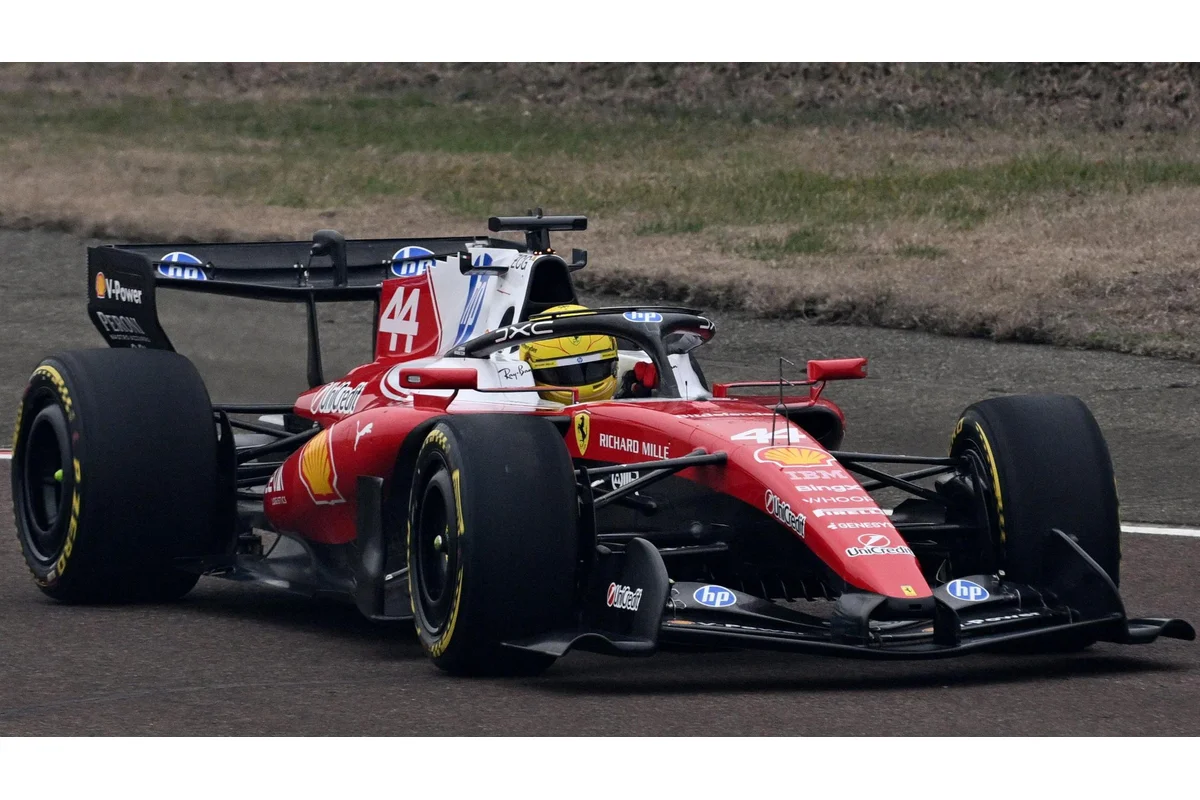
Ferrari’s power units, manufactured at the Maranello facility, supply their own squad as well as Alfa Romeo and Haas. These engines represent decades of engineering excellence and precision craftsmanship. Despite facing difficulties during the 2023 season, Ferrari remains committed to regaining dominance before the culmination of the hybrid era in Formula 1.
Technical Breakdown of MGU-K and MGU-H Systems
The MGU-K functions as an electric motor generator, recuperating energy during braking and storing it to deliver bursts of additional power during acceleration. Positioned between the turbocharger and exhaust, the MGU-H governs turbocharger speed to minimize lag and optimize responsiveness—features that no consumer vehicle engine approaches in complexity or performance.
Power Outputs and Performance Metrics in F1
Modern F1 engines achieve power outputs around 840 horsepower while weighing less than 150 kilograms, reaching nearly 850 horsepower per power unit. During qualifying laps, combined with battery boost, this can exceed 1000 brake horsepower. In contrast, even high-performance road car engines from manufacturers like Toyota, Alpine, or Andretti typically yield about 400 horsepower, roughly half of an F1 engine’s capacity.
Anticipated Changes with 2026 Engine Regulations
The 2026 season will mark a major shift in Formula 1 engine design, with the FIA removing the MGU-H system, increasing electrical power output, and mandating fully synthetic fuels. This evolution will rebalance the relationship between combustion and electric power. Manufacturers such as Audi are preparing to enter the competition, while Sauber is poised to serve as a testing ground for these new technologies.
The Changing Soundscape and Emotional Connection
The era of naturally aspirated V8 and V10 engines brought loud, visceral soundtracks to F1 racing, characterized by high-pitched screams. Today’s turbo-hybrid systems produce a different acoustic profile, focusing more on precision and efficiency rather than raw noise. While street cars often emphasize auditory excitement with the growl of pistons and torque delivery, Formula 1 favors technological sophistication over sentimental engine sounds.
Why Street Engines Differ Fundamentally from F1 Units
Although some road vehicles incorporate technology inspired by Formula 1 engines, they remain geared toward practicality. They must balance cost-effectiveness, comfort, safety, and emissions, resulting in engines with lower revolutions per minute, moderate heat generation, and extended maintenance intervals. Street cars are engineered to withstand variable weather and road conditions, unlike F1 power units that are designed exclusively for peak performance within controlled race environments.
Current Landscape of F1 Engine Manufactures and Partnerships
Formula 1 teams source their engines from established manufacturers such as Mercedes, Ferrari, Renault, and Honda-derived RBPT units. Teams like McLaren collaborate closely with Mercedes, whereas Alphatauri and Toro Rosso maintain historic links to Honda powertrains. These partnerships define much of the competitive landscape within the sport’s technical boundaries.
Transitioning from the Turbo-Hybrid Era in Formula 1
By the 2026 season, Formula 1 is expected to conclude the turbo-hybrid chapter, moving towards a new formula that balances electric and combustion power, prioritizes sustainable fuels, and levels powertrain capabilities across teams. This transition period is critical, with frontrunners such as Red Bull, Alpine, and Aston Martin vigorously preparing to adapt ahead of the next competitive era.
The Crucial Importance of Continuous Innovation in F1 Engines
The distinction of Formula 1 engines lies beyond raw speed; it is their unending quest for marginal gains in fuel efficiency, energy recovery, and intelligent power management. While street cars are engineered for durability and long-term use, Formula 1 engines are precision instruments built for victory under the most demanding conditions, embodying the relentless push for performance excellence.
