
From the onset of the Australian Grand Prix, Isack Hadjar realized that he would not complete the race due to mechanical issues. The French driver’s Red Bull powered car suffered an engine failure on lap 12 at Albert Park, forcing him to retire as smoke poured from the airbox. This failure came despite his impressive launch, which saw him challenge for the race lead right into the first corner. However, he quickly lost ground behind Mercedes and Ferrari competitors while trying to recover lost battery energy.
Details of the Power Unit Failure and Race Struggles
Hadjar described the start as exceptional, despite beginning the race with no battery power.
“I started the race with no battery. I had a very good launch and was taking the lead easy, so at least that’s a good point of the day, that we had very good starts. And once I thought I was going to take the lead, [I had] no more power, so that was great.”
His engine’s deteriorating sound indicated to him early on that finishing the race was unlikely.
Reflecting on the race, Hadjar said,
You can imagine, for a couple of laps, I was spending time to recover. The engine sounded terrible, so I knew I was not going to finish the race. It was just a shame. We would have been in the mix with, I think, Lewis.
Despite the setback, he emphasized the issue was not technical but rather a situation needing improvement:
“No, it’s not a technical issue. It was just…we need to do better to avoid this from happening.”
Challenges in Simulating Race Conditions During Testing
Hadjar highlighted the difficulty in anticipating the problem during pre-race preparations. He explained,
We didn’t manage to simulate it in the whole six days of testing in free practice as well. Honestly, it’s just new scenarios. Race scenario is different. It’s good experience, at least.
Adding context, he noted how the practice sessions are less demanding on the young engines than the race itself, pointing out:
The practice sessions on these young engines, they are not as demanding as a race procedure, laps to the grid. Temperatures are going up and down, so it’s very difficult for the guys.
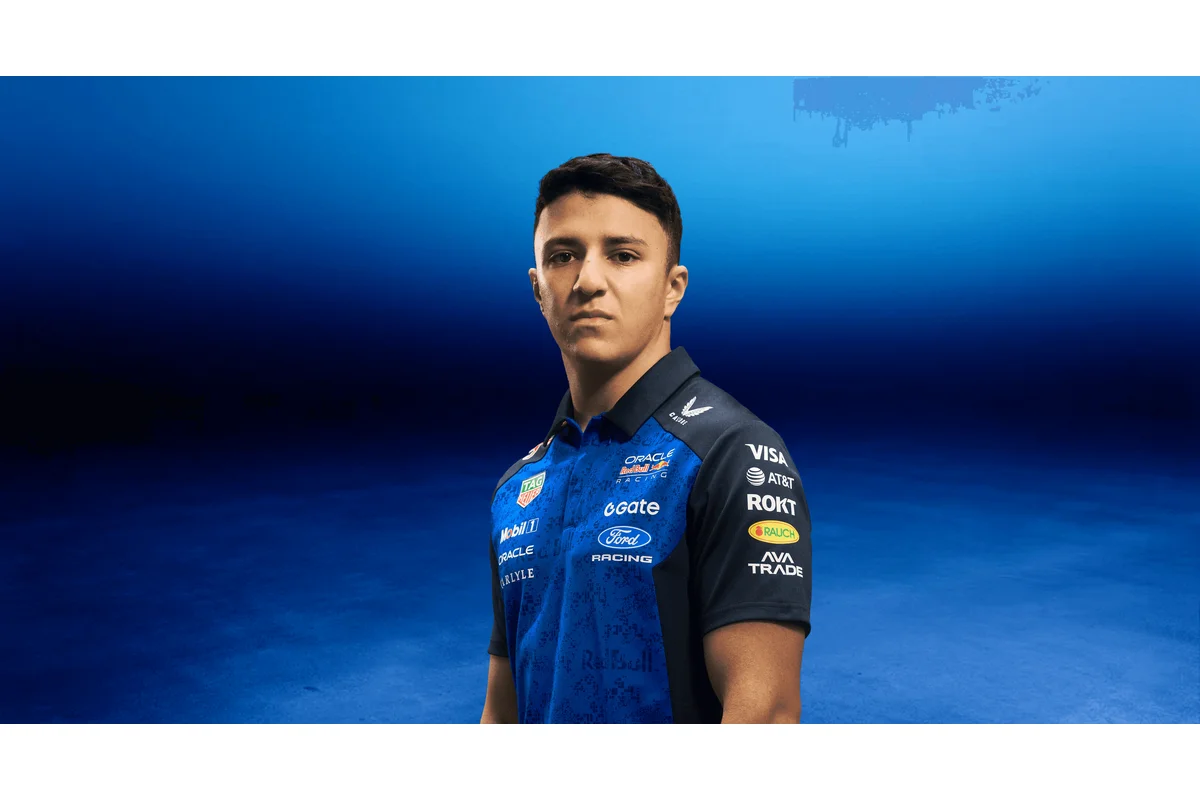
Hadjar’s Notable Moment Amidst Difficult Race
During his brief time on track, Hadjar was involved in a close duel with fellow rookie Arvid Lindblad from Racing Bulls. While outside observers may have seen intense wheel-to-wheel competition, Hadjar described his perspective differently, stating,
It’s hard to fight someone who is going 30kph faster than you on the straights,
and added,
That was my only highlight of the day.
Despite the disappointment of an early exit, Hadjar remains optimistic about his transition to Red Bull. He feels he is adapting well to his new team environment alongside established drivers such as Max Verstappen.
Implications of Engine Reliability and Future Prospects
Hadjar’s Australian Grand Prix experience underscores the ongoing challenges faced by teams integrating new power units into demanding race conditions. His early retirement signals that the Red Bull team must address these reliability issues to remain competitive. For Hadjar, the weekend provided valuable lessons as he acclimates to Formula 1 with a top-tier team. Observers will watch closely how Red Bull improves engine durability and whether Hadjar’s potential translates into stronger performances in upcoming races. The team’s ability to simulate complex race scenarios more accurately during testing could be critical in preventing similar issues in the future.
