
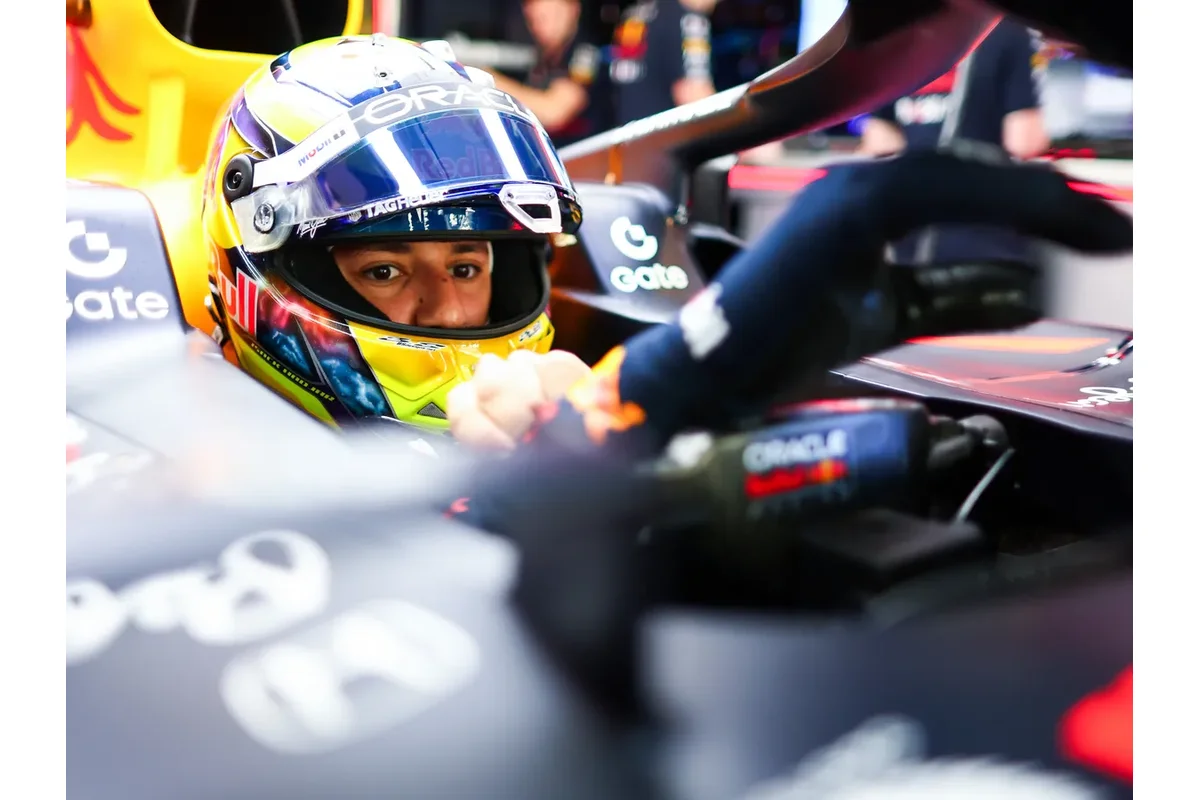
Isack Hadjar’s Red Bull advantage has made headlines in the Formula 1 paddock, as the young French driver steps up to one of the most high-pressure seats in motorsport. As Red Bull prepares for a significant technical reset, Hadjar enters the fray with a unique chance to shape his path alongside reigning champion Max Verstappen.
This shift comes at a pivotal moment for the team. Since Daniel Ricciardo’s exit in 2018, only Sergio Perez has managed to hold the coveted second Red Bull seat for an extended period, with names like Alex Albon, Pierre Gasly, Yuki Tsunoda, and Liam Lawson facing difficulties in a car tuned to Verstappen’s driving style. Now, Hadjar is positioned to break that trend.
The Crucial Impact of New F1 Regulations
Guenther Steiner, who previously managed Haas F1, highlighted Hadjar’s potential edge due to the timing of his promotion. The sport is about to introduce a new chassis and power unit, meaning Hadjar will not inherit old preferences but instead co-develop a fresh race car with Verstappen. Steiner noted the significance of this timing, saying,
“I believe Hadjar is a really good racing driver. And secondly, he has the advantage of the new regulations. This allows him to start from scratch with Max.”
– Guenther Steiner, Former Haas Team Principal
Steiner’s insights reflect the general sense that these new regulations offer Hadjar a “clean slate”—an opportunity that neither Lawson nor Tsunoda enjoyed. Both faced steep learning curves, trying to adapt quickly to a car already built around Verstappen, and were under constant pressure from a highly competitive grid. Steiner further explained,
“They were put in a car with which Max had a lot of experience, and they weren’t able to catch up quickly. Moreover, the field was so closely matched.”
– Guenther Steiner, Former Haas Team Principal
This supportive landscape allows Hadjar to integrate into the team while helping to guide the development of the next generation Red Bull car, ensuring it better suits his abilities from day one.
Hadjar’s Fast-Tracked Path and the Red Bull Second Seat Challenge
For Isack Hadjar, the rise to Red Bull comes after just a single year with Racing Bulls, a departure from the longer journeys of previous contenders. He is acutely aware that entering the main team during such a transformative period provides advantages his predecessors lacked. The adaptation hurdle, which tested Alex Albon, Pierre Gasly, Lawson, and especially Yuki Tsunoda, might be minimized due to Hadjar’s early involvement in the car’s development process.
Within Red Bull, there is a sense of anticipation as the organization continues its search for a talent who can push Verstappen and potentially challenge him for supremacy. Key figures in the paddock, including analysts who closely monitor every shift in team dynamics, believe Hadjar’s timing, combined with his skillset, could make the difference for Red Bull’s future successes.
The Road Ahead: 2026 and Beyond
With the 2026 Formula 1 season on the horizon and major rule changes coming into effect, Isack Hadjar’s journey will be under close scrutiny from fans and critics alike. The Red Bull second seat, often called the most daunting role in the sport, now belongs to a 21-year-old racer determined to carve out his own reputation within a landscape where many have struggled to last.
This period marks a fresh era not only for Red Bull but for Formula 1 itself, as new talent like Gabriel Bortoleto at Sauber, Oscar Piastri at McLaren, and established giants like Lewis Hamilton at Ferrari prepare for yet another competitive year. The chessboard of drivers, teams, and engineers is ever-changing, but Red Bull’s internal battle between Verstappen and Hadjar shapes up to be a defining narrative for seasons to come.
As excitement builds, the question remains whether Isack Hadjar’s Red Bull advantage will be enough to finally stabilize the team’s problematic second seat and mount a genuine challenge to Max Verstappen. Supporters and analysts are watching closely—will Hadjar redefine expectations, or will the cycle continue? The answers will unfold as the next F1 champion emerges from a field more unpredictable than ever before.
