
Lando Norris, the current Formula 1 world champion, has expressed mixed feelings about the new 2026 F1 cars, saying they
feel like an F2 car in some ways
, although
I don’t know if I like that or not
. These comments come amid the introduction of radical technical changes set to debut in the 2026 season, which will fundamentally alter car performance and design.
The new regulations eliminate the ground-effect aerodynamics of previous models, replacing them with smaller, lighter cars equipped with active aerodynamic elements and engines powered equally by combustion and electric systems. This shift to a 50/50 split between electric and combustion power marks a significant departure from the current hybrid setups.
Teams have begun testing these new machines, with all except Williams running them during the recent shakedown in Barcelona. This event provided the first real-world look at how these changes translate on track, although feedback has been varied.
Insights from Barcelona Test and Driver Perspectives
Speaking at a McLaren press conference following the Barcelona shakedown, Lando Norris reflected on how the cars require a different driving style. He emphasized that certain aspects of the new cars feel reminiscent of Formula 2, particularly in how drivers must handle them.
It certainly feels like an F2 car in some ways with how you have to drive it,
Norris stated, highlighting challenges anticipated for drivers adapting to the new machines. He added,
I don’t know if I like that or not for the time being.
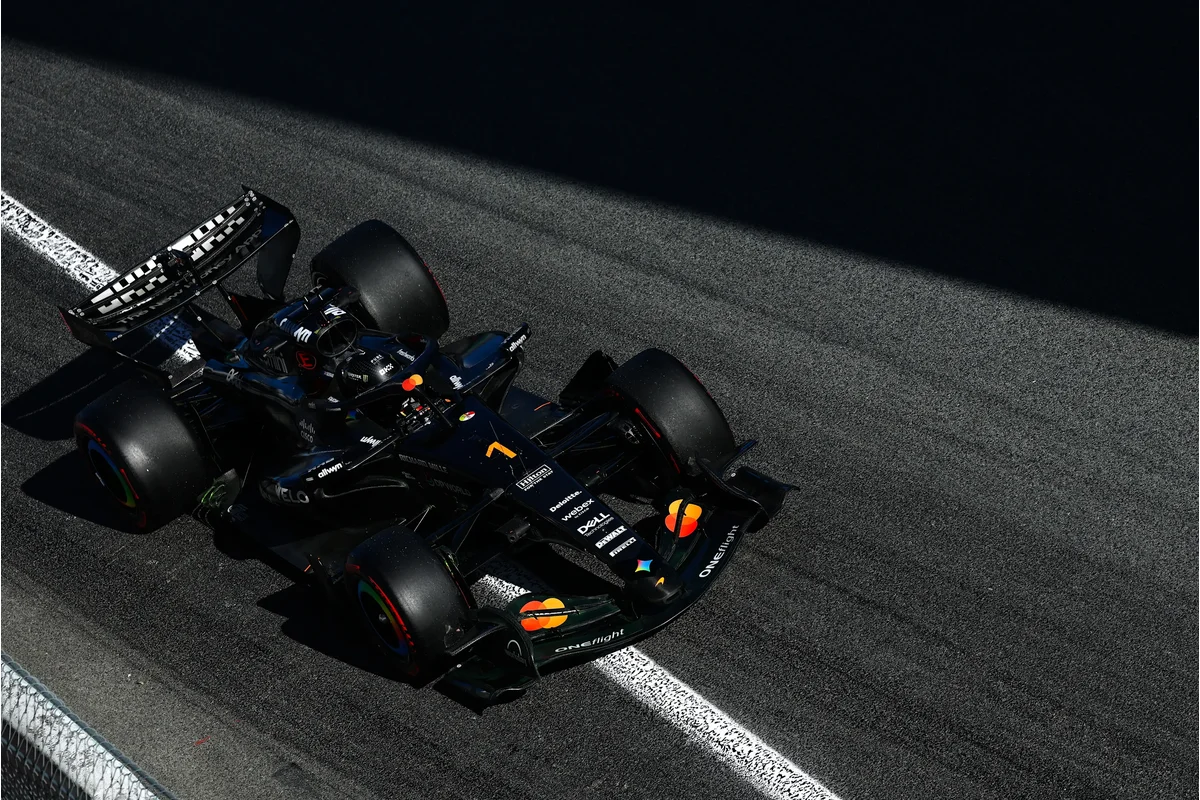
Norris explained that the Barcelona circuit mainly features flowing, wide corners in fourth and third gears, which offered some understanding of the car’s behavior. However, he noted that slower, bumpier street circuits and tracks present unknown challenges yet to be fully assessed.
Looking ahead to the Bahrain race, Norris sees it as a pivotal test that will answer some remaining questions about car performance on diverse tracks. He expressed confidence in both himself and the McLaren team, acknowledging a steep learning curve ahead.
But I have strong confidence in myself and strong confidence in my team. But it will be a learning curve for both of us as it will for everyone on the grid.
Oscar Piastri Reassures That F1’s Essence Remains Intact
The transformation in car design has sparked concerns within the F1 community regarding whether the sport might lose its distinctive identity. One major point of debate centers on drivers needing to lift and coast during qualifying sessions to better manage the balance between electrical and combustion power in the new engines.
Oscar Piastri, Norris’ teammate at McLaren, offered a more optimistic view following the initial testing phase. He believes many apprehensions that existed before the Barcelona shakedown have been alleviated and that the sport’s core characteristics persist despite changes.
I don’t think it’s lost its identity at all,
Piastri asserted.
While acknowledging adjustments are needed to adapt to the new powertrains and driving techniques, Piastri noted that lift and coast strategies had been used previously, albeit for different purposes.
He added that qualifying procedures might look somewhat different as teams and drivers continue to learn how to optimize engine performance across varying circuits, but the fundamental thrill of Formula 1 racing remains.
Sitting in the grandstands, watching live at the track, they’re going to be just as impressive. There will be some differences, but I think fundamentally, they are still the fastest cars in the world.
Learning Curve and Future Implications for Teams and Drivers
The 2026 regulations introduce a transformative phase for Formula 1 teams, drivers, and fans alike. With all but Williams having tested their cars, teams are now focused on understanding how to maximize these vehicles’ unique characteristics across a range of circuits, including street tracks and bumpier layouts. Drivers like Norris and Piastri face the challenge of modifying their driving styles to suit the blend of electrical and combustion power while maintaining competitive edge.
The upcoming Bahrain race, as Norris pointed out, will provide key insights into how the new cars perform outside of wide, fast circuits like Barcelona. This milestone will be critical in refining both driving techniques and car setups, setting the tone for the remainder of the season.
Ultimately, despite some uneasy sentiments and uncertainties about the changes, the confidence expressed by top drivers signals a belief that, while adaptation is necessary, the essence and excitement of Formula 1 will endure. Both Norris and Piastri’s perspectives underscore a transitional period full of potential, learning, and evolution, with the sport aiming to balance innovation alongside its rich racing heritage.
