
Lando Norris, the reigning Formula 1 world champion, recently acknowledged that he shares many of Max Verstappen’s critical views on the 2026 F1 cars. This statement came during the ongoing pre-season testing in Bahrain, where concerns about the new generation of cars have been heavily discussed. Norris’s admission focuses on how the cars are affecting the nature of racing in the championship.
Verstappen, a leading figure at Red Bull Racing, has been among the most vocal critics, describing the 2026 cars as “anti-racing” and likening them to “Formula E on steroids” due to their significant emphasis on energy management. Several other drivers have echoed these sentiments, particularly frustrated by the complex demands placed on power unit energy recovery and usage.
Norris Initially Avoided Criticism, Now Opens Up about His True Opinion
When first questioned about the negative feedback from Verstappen and others, Norris had downplayed his agreement, suggesting he did not want to complain so early in the testing phase. However, after leading session two on day two of the second Bahrain test, he clarified his position. He admitted that he had initially taken a more neutral stance to provoke reactions but now confirms that he concurs with much of the criticism aimed at the 2026 cars.
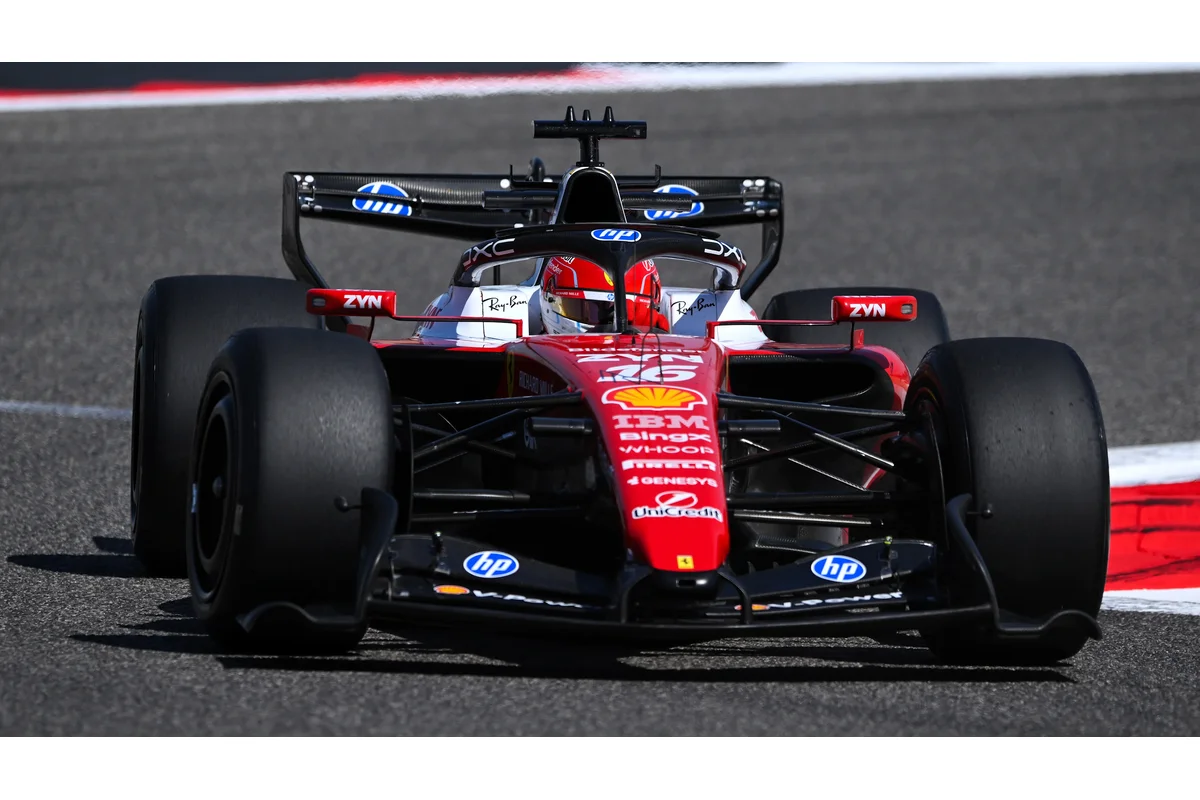
“Honestly, I just wanted to say that I didn’t want to complain about anything,”
Norris explained.
“I just wanted to see what the reaction was of everyone. It’s been quite an amusing week seeing the reactions of everyone and, certainly, it made a lot of people comment and say a lot of things. But I just wanted to see everyone’s reaction; it’s been amusing. But the cars are very different.”
Excitement Behind the Wheel vs. The Purity of Racing Lost
Despite his recognition of the cars’ shortcomings, Norris emphasized that he still enjoys driving the 2026 models, even if they do not provide the same level of driving purity as previous years. He pointed out that the new technical regulations and energy management requirements have shifted the nature of driving and race strategy.
“Are they as enjoyable to drive as last year? Absolutely not,”
Norris admitted.
“Is it still a challenge and good fun out there? Yeah. I’m certainly not going to change my job for anything else, I still have fun and it’s still the job I love to do.”
He also acknowledged how different the cars look and feel compared to their predecessors.
“It’s certainly very different. Is it as pure, is it as beautiful to drive last year, does it look as incredible? Definitely not, and I agree with Max on a lot of comments; probably most of the comments I agree with.”
Norris described the current state of Formula 1 racing as somewhat compromised by the focus on managing battery performance rather than maximizing pure driving skill and mechanical performance.
“A lot of the driving is focused on trying to get the battery working properly and less focused as how as a drive can you get everything out of the car,”
he said.
“So, I fully agree with a lot of the comments. I just wanted to see everyone’s reaction to me saying something different.”
Implications for the Future of Formula 1 Racing
Norris also indicated that while these new cars may not represent the purest form of racing, the sport’s governing bodies, including the FIA and Formula 1 management, are likely to seek improvements. He remains hopeful that future development will enhance the overall experience for drivers and fans alike.
“I think as a championship, with Formula 1 and the FIA, we will try to improve the car,”
Norris said. Despite the challenges, he continues to appreciate his role and the thrill of driving at the highest level.
His candid remarks underscore the tensions within the sport as it balances technological innovation with preservation of the racing spectacle, signaling ongoing debates and adjustments ahead for the 2026 Formula 1 season.
