
At the recent Australian Grand Prix, Lando Norris openly criticized the forthcoming 2026 Formula 1 regulations, describing them as “artificial” and too complicated. The McLaren driver expressed concerns about how unpredictable power units are impacting driver control, leading to dangerous situations on the track during races.
Norris’s comments came after a challenging start to the season, where despite promising pre-season testing, he finished fifth at the Australian GP after a tough fight with Max Verstappen. His dissatisfaction with the new regulations reflects wider unease among drivers regarding the complex technical changes slated for 2026.
Complex Regulations Spark Worries About Race Safety and Chaos
The complex nature of the 2026 technical rules remains a significant topic of debate within F1 circles. Norris highlighted the “chaos” these regulations might create, warning that they could lead to major accidents due to sudden and unpredictable shifts in speed caused by the power units. He lamented the fact that drivers found themselves waiting for something to go “quite horribly wrong” during the race.
“Way too much. It’s chaos, you’re going to have a big accident, which is a shame. You’re driving and we’re the ones just waiting for something to happen and something to go quite horribly wrong.”
Lando Norris said, as reported by motorsport.com.
He described the situation as
“not a nice position to be in,”
adding that the power unit’s random behavior sometimes determines race outcomes beyond the drivers’ control. This unpredictability, Norris argued, adds an artificial element that complicates racing and affects driver performance negatively.
“That’s not a nice position to be in, but there’s nothing we can really do about that now. It’s a shame, it’s very artificial, depending on what the power unit decides to do and randomly does at times.”
Lando Norris added.
Personal Impact of Regulations on Norris’s Driving Experience
Lando Norris admitted the regulations present challenges that don’t align well with his driving style. During the Australian GP, he was overtaken by five cars without being able to respond effectively, underscoring his frustration with the changes. He emphasized that while drivers are paid handsomely for their efforts, adapting to these rules remains difficult and might not suit everyone.
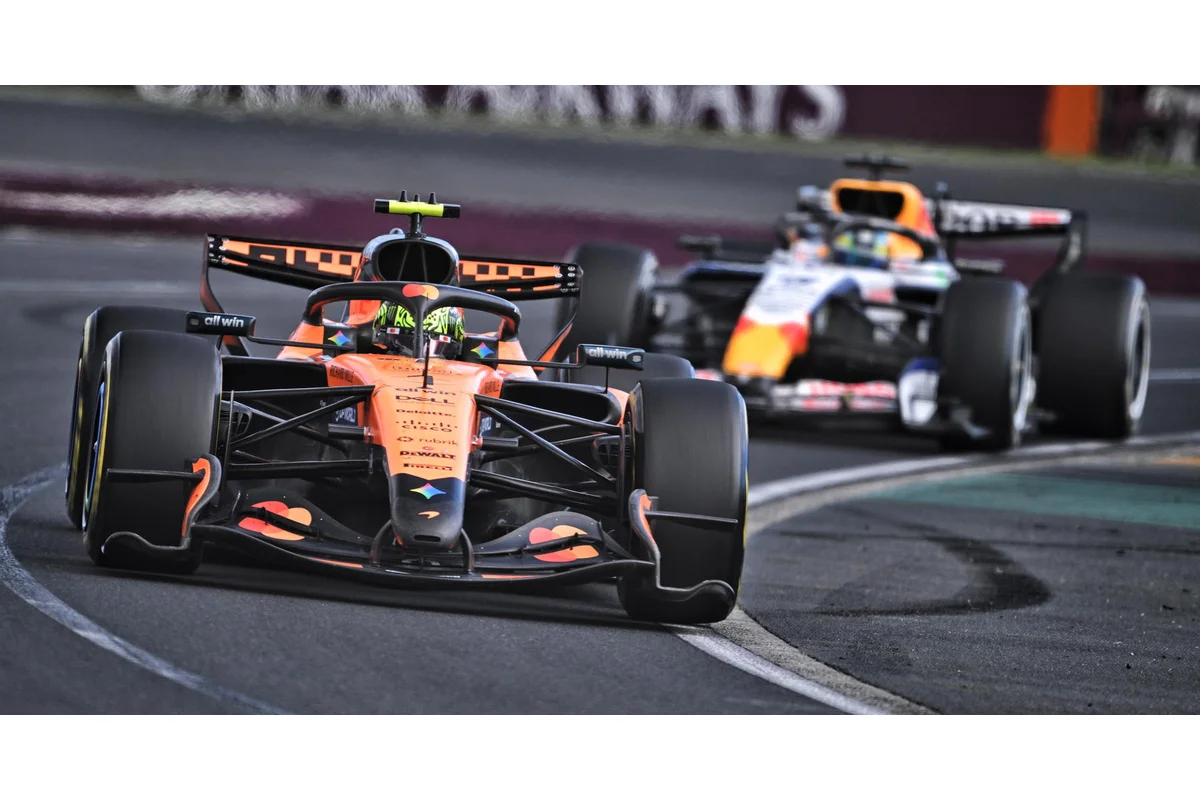
More importantly, Norris raised safety concerns, warning that losing battery power on fast corners could lead to collisions at dangerously high speeds, increasing the risk of serious crashes not only for drivers but for others involved on the track.
“You just get overtaken by five cars or you can just do nothing about it sometimes. There’s nothing we can change about it, so there’s no point in saying any more, but not for me. Just depending on what people do, you can have 30, 40, 50 kph speeds, When someone hits someone at that speed, you’re going to fly and you’re going to go over the fence and you’re going to do a lot of damage to yourself and maybe to others. That’s a pretty horrible thing to think about.”
Lando Norris noted.
Resilience Amidst Transition to New Regulations
Despite his criticisms, Norris showed resilience in adapting to the ongoing changes. The 2026 regulations, while creating new hurdles, have also brought fresh challenges to all drivers, who must adjust quickly to the unpredictable nature of the new power units and the potential for unexpected incidents on track.
The Australian GP itself provided thrilling racing moments, particularly at the front of the field. Max Verstappen’s extended struggle with Norris for a top-five position highlighted the intensity of competition despite the new complexities. Mercedes driver George Russell ultimately secured the victory and led a one-two finish for his team, marking a strong start for the 2026 regulatory era despite the concerns voiced by Norris and others.
As F1 progresses through this transitional period, the debate around the balance between technical innovation and driver safety is set to continue, with teams and drivers closely watching how the regulations evolve and what impact they will have on future races.
