
During the Australian Grand Prix qualifying session, McLaren’s Lando Norris openly criticized the current state of Formula 1, describing the sport’s cars as having fallen from “the best cars ever” to “probably the worst.” His comments highlight growing frustrations surrounding the 2026 regulations, which emphasize energy harvesting over outright speed, dramatically changing the racing experience.
Norris qualified sixth as George Russell from Mercedes secured pole position, defending the new rules. However, Norris expressed deep disappointment with how these changes have affected the driving dynamics and excitement on track, marking a stark contrast in opinions among drivers.
How the 2026 Rules Altered the Driving Experience
The latest F1 regulations brought lighter cars but introduced complex constraints focused on managing electric energy systems. Norris explained the burden this places on drivers during races, saying,
The fundamental issue lies in the drastic shift of focus,
and further stated,
We’ve gone from the best cars ever made in Formula 1, the most enjoyable to drive, to probably the worst. It’s disheartening, but we must endure it.
Managing battery levels has taken precedence, reducing the thrill of fast, aggressive racing to cautious energy management.
Norris detailed the practical challenges faced on track, where drivers must significantly slow down before corners to preserve the battery. He revealed,
You decelerate so much before corners; you have to lift everywhere to ensure the battery pack is optimal. If it’s too high, you’re also in trouble. It’s just challenging.
This careful navigation detracts from the traditional skill and speed Formula 1 fans have long valued.
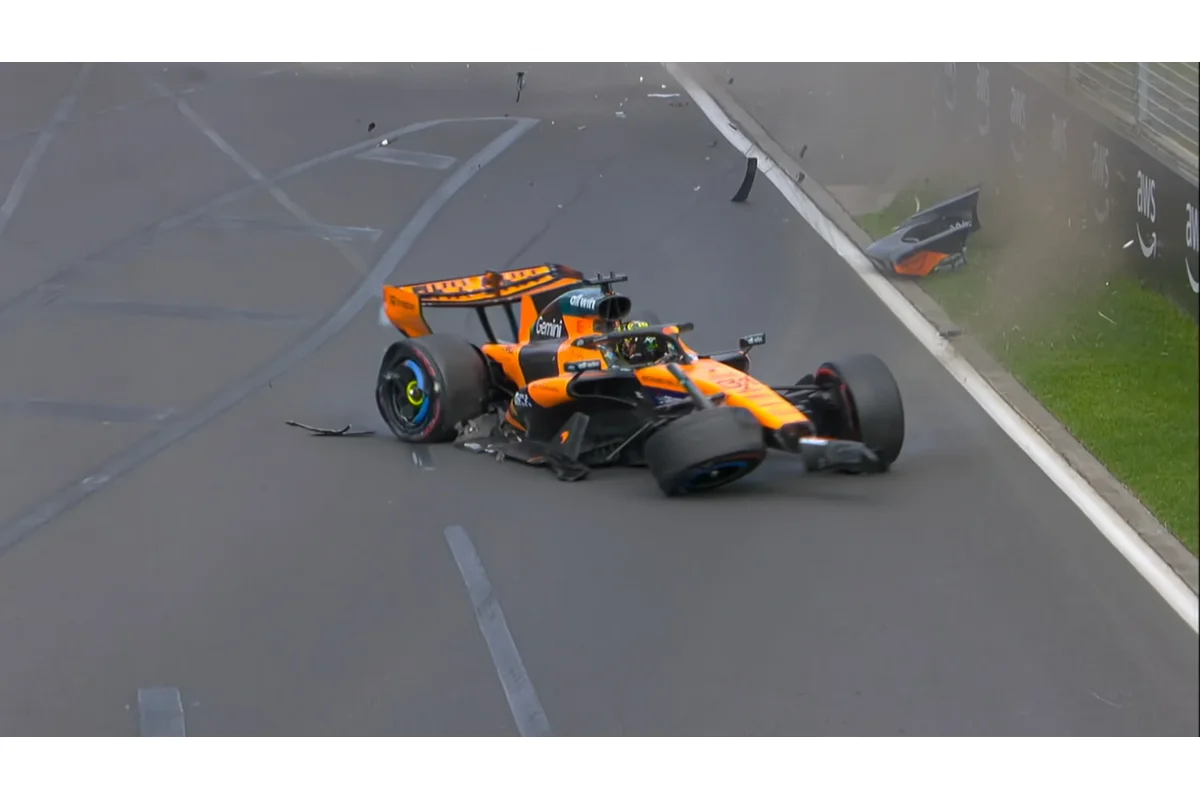
Distractions and Difficulties During Qualifying
The frustrations extended beyond car performance. During qualifying, Norris encountered debris on the circuit, worsened by the concentration required to monitor car systems. He described having to constantly focus on his steering wheel’s dashboard to keep track of energy data, confessing,
I’m looking at my steering wheel,
and added,
You have to glance at the steering wheel every three seconds to see what’s coming; otherwise, you risk going off course.
This juggling act between driving precision and technical awareness underscores the new complexities drivers endure.
Mixed Reactions Within the Driver Community
Norris’s remarks have resonated with other drivers. Max Verstappen echoed similar unease during a drivers’ briefing, while Red Bull’s Isack Hadjar openly admitted he is not a fan of the Power Unit regulations. In contrast, George Russell argued that the changes have improved the handling of the cars, claiming,
It feels more like a go-kart compared to last year when it felt like a bouncing bus,
reflecting a more positive outlook on the technical evolution despite divided views.
The Future of Formula 1 Under Scrutiny
As the clashes over these new regulations continue, the F1 community waits to see if FIA’s promised adjustments will restore the excitement and competitive edge once synonymous with the sport. For drivers like Lando Norris, the changes have already transformed racing into a cautious, technical battle rather than a high-speed thrill ride. The ongoing debate reflects deeper tensions about the direction of Formula 1 and whether it can maintain its identity amid increasing technological restrictions.
The battle to preserve the sport’s historic excitement while embracing new technologies remains central, with fans and drivers alike watching closely to see what the 2026 era will ultimately bring.
