
Seven-time world champion Lewis Hamilton has expressed strong criticism of the new Formula 1 rules as pre-season testing began at the Bahrain International Circuit. The 2026 season introduces a radically redesigned car, featuring smaller dimensions and an increased emphasis on electrical power, which Hamilton said has become “ridiculously complicated” for drivers and fans alike.
This overhaul marks the start of a new era in F1, with cars powered equally by a combustion engine and an electric motor, allowing drivers to activate “overtake mode” to boost electrical power and deploy aerodynamic adjustments to aid overtaking maneuvers. Despite these innovations, Hamilton warned that the intricacies of the system are too complex for the general audience to grasp, raising concerns about the sport’s accessibility.
Technical Changes Transform Car Performance and Driving Style
The 2026 cars introduce significant technical alterations, including a different method of collecting electrical energy and charging the battery. This change is expected to result in new driving strategies and techniques across the race calendar. In particular, tracks with long straights and fewer heavy braking zones could see drivers adapting their style markedly.
During qualifying simulations at the pre-season shakedown in Barcelona, Hamilton revealed he was performing about 600 meters of lift-and-coast—a technique where the driver lifts off the accelerator without applying the brakes—on the approach to a long straight. He criticized this, stating,
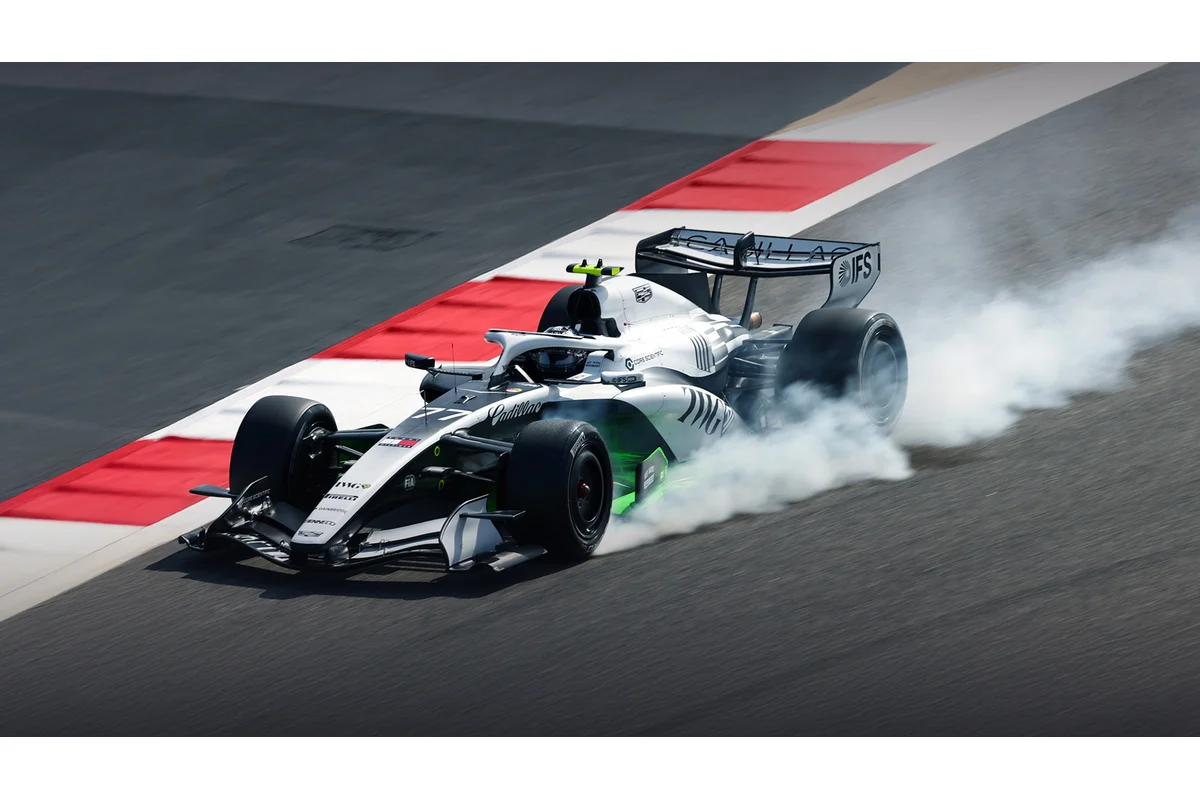
“That’s not what racing is about,”
highlighting his unease with how the new rules might alter the fundamental nature of competition on track.
Hamilton’s View on Rule Complexity and Fan Understanding
During a recent meeting where the new regulations were explained in detail, Hamilton compared the rules to something requiring an academic qualification to understand. He said,
“I sat in a meeting the other day and they’re taking us through it. And yeah, it’s like you need a degree to fully understand it all,”
according to the BBC.
He further emphasized the disconnect between rule-makers and the audience by saying
none of the fans are going to understand it.
New Race Engineer Adds Another Layer of Adjustment for Hamilton
As Hamilton begins his second season with Ferrari, he faces additional challenges beyond the technical changes of the cars. He will work with a new race engineer, Carlo Santi, who is filling in temporarily following the departure of Ricardo Adami. Adami was Hamilton’s race engineer in 2025, a season in which Hamilton did not secure a podium finish for the first time in his illustrious career.
Carlo Santi, who previously worked with Kimi Räikkönen during the driver’s 2007 championship-winning campaign, will only stay for part of the season. A permanent replacement is expected to arrive later in 2026.
Hamilton described the situation as difficult, stating,
“It’s actually quite a difficult period because it’s not long-term,”
and explained,
“The solution that I currently have is only going to be a few races. Early on into the season, it’s going to be switching up again. I’ll have to learn to work with someone new. That’s detrimental to me, too. A season where you want to arrive with people that have done multiple seasons, that have been through thick and thin and calm,”
and added,
“It is the situation that I’m faced with and I’ll try to do the best I can. The team is trying to do the best they can to help make it as seamless as possible.”
Performance During Bahrain Testing and Competitive Prospects
On the opening day of testing under sunny conditions at Bahrain, Hamilton completed his stints in Ferrari’s new 2026 car and posted the seventh-fastest time, trailing McLaren’s Lando Norris by 1.7 seconds. Norris set the leading lap late in the day under floodlights. Hamilton’s teammate Oscar Piastri, driving for McLaren, ranked fifth in the timesheet after his afternoon session.
These initial times provide an early glimpse into the competitive landscape as teams adapt to the complex new regulations and innovative technology, with Ferrari and McLaren among key contenders to watch.
Implications for Formula 1’s Future and Fan Engagement
Lewis Hamilton’s candid remarks reflect broader concerns about the direction of Formula 1 as it embraces greater electrification and advanced technology. While the new rules aim to sustain the sport’s relevance by making racing more strategic and eco-friendly, there is a clear tension between technical complexity and spectator enjoyment.
The 2026 rule changes are expected to influence driving styles and race tactics significantly, potentially shifting how fans experience race dynamics. Hamilton’s outspoken critique signals a challenge for F1’s governing bodies: maintaining the sport’s excitement while ensuring the regulations remain accessible and comprehensible to those who follow the sport.
As the season unfolds, attention will focus on how teams and drivers adapt to these intricate systems, and whether the new format fulfills its promise of enhancing competition without alienating the audience.
