
New Zealand driver Liam Lawson is confronting a steep learning curve as he adapts to the sensitive nature of his car at the Australian Grand Prix in Melbourne, the opening race of the 2025 Formula One season. With significant changes to car specifications, Lawson is focused on delivering strong performances while navigating new technical complexities ahead of his second full campaign in F1.
Major Overhaul of Car Regulations Creates Uncertainty
This weekend’s race introduces a series of adjustments to vehicle design that have unsettled many within the sport, including teams, drivers, and analysts. The latest formula features smaller and lighter chassis paired with power units that rely equally on internal combustion engines and enhanced battery systems. Additionally, this season marks the debut of fully sustainable fuels, signaling a shift toward greener technology in racing.
While several leading drivers have voiced their displeasure with these rule changes, describing them as detrimental to racing dynamics, Lawson has taken a more measured approach. Four-time world champion Max Verstappen notably criticized the updates as “anti-racing” and likened the new cars to “Formula E on steroids” during preseason trials, reflecting broader skepticism.
Battery Management and Driving Demands Highlighted
Lawson acknowledged that managing the vehicle’s battery systems has been particularly challenging after mixed results during testing sessions with Racing Bulls.
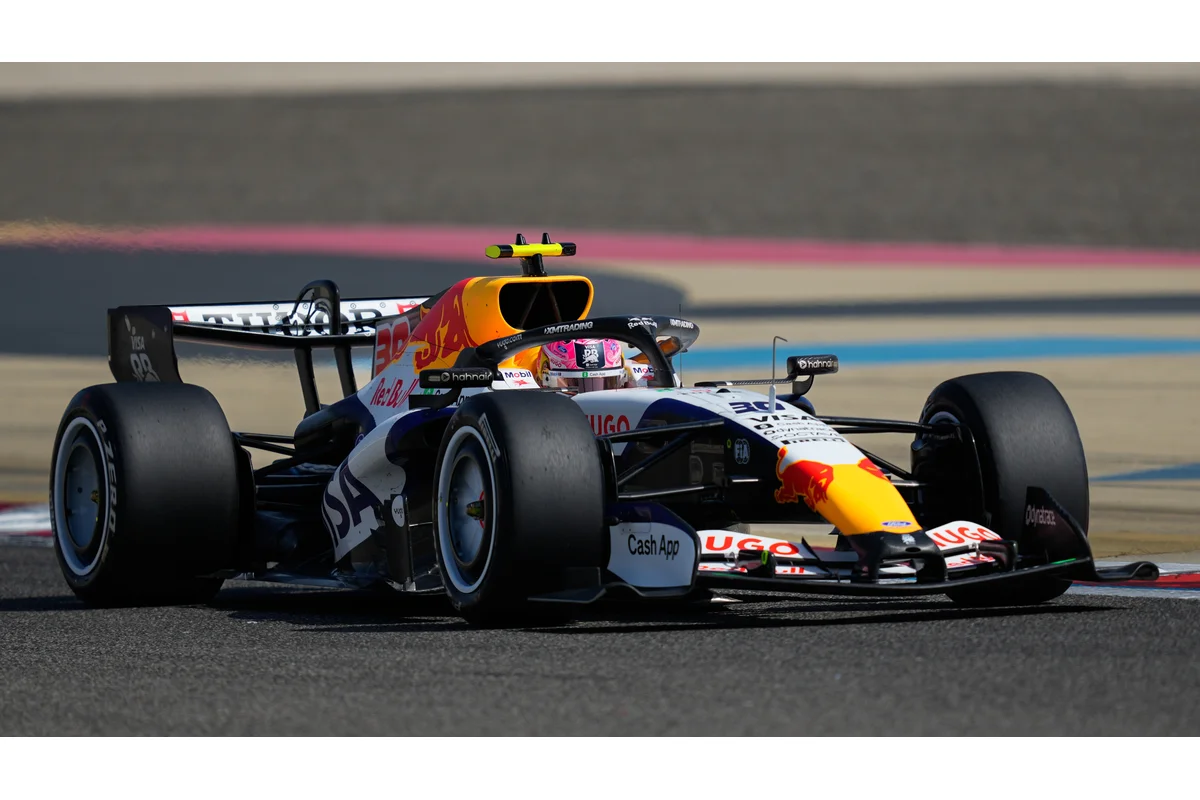
“It’s very different from last year, much more sensitive, particularly when it comes to preparing the battery for a qualifying lap and managing over a longer stint,”
he explained.
He also pointed out the reduced aerodynamic performance, which makes the cars harder to handle and less forgiving. Despite having early knowledge of the new regulations and extensive preparation last year, Lawson emphasized that mastering the new machinery remains an ongoing process.
“Some weren’t a surprise, but when you get in the car, you are definitely still learning how to optimise,”
he added.
Lawson’s Continuing Role with Racing Bulls
After a turbulent rookie season that included seven top-10 finishes in 24 races and a midseason move from Red Bull’s primary team to its sister outfit, Lawson retains his seat with Racing Bulls. The 24-year-old driver ended last season ranked 14th in the championship, with his best finish a fifth place in Azerbaijan.
For the upcoming season, Racing Bulls have paired Lawson with 18-year-old British newcomer Arvin Lindblad, forming the least experienced driver lineup on the current 11-team grid. This factor adds another layer of unpredictability for the team as they seek to find their competitive footing.
Setting Objectives Amid Uncertain Performance
Lawson admitted the difficulty in setting definitive targets for the year given the lack of clarity on how their cars will perform relative to the competition.
“It’s still difficult to say where we stand, as we don’t yet have a clear picture of our true pace,”
he said.
He stressed his personal focus lies in maximizing his own capabilities during each run.
“Of course, the objective is to score points, but on a personal level, my focus is on extracting the maximum from myself and delivering the best possible performance every time I’m in the car,”
Lawson stated.
Race Weekend Schedule and Outlook
The Australian Grand Prix weekend features two practice sessions on Friday, followed by a third practice and qualifying on Saturday. The race itself is set to begin at 5pm New Zealand Time on Sunday.
As Formula One embarks on this transformative season, Lawson’s approach embodies the balance of cautious optimism and determination necessary to tackle the evolving challenges of the sport. His progress through these early races will provide crucial insight into how well the Racing Bulls team can adapt under new regulations and where Lawson’s development as a driver will lead.
