
Racing Bulls faced a difficult beginning to their pre-season testing in Bahrain last week, struggling with reliability issues unlike their sister team Red Bull, which earned praise for its strong power unit reliability. Drivers Liam Lawson and Arvid Lindblad demonstrated that their VCARB 03 car is likely to compete in the midfield when the 2026 season begins. However, neither Lawson nor Lindblad managed to rank in the top half for laps completed due to mechanical setbacks.
Lawson achieved some impressive top speeds during the testing, but consistent battery power recovery during races remains a crucial factor. Drivers who fail to accumulate adequate battery energy lap after lap risk losing ground to competitors. While Ted Kravitz has spoken positively about Racing Bulls’ outlook so far, a new concern circulating throughout the paddock involves a race start complication that could jeopardize promising qualifying results. Fortunately, Racing Bulls appear less affected than some rivals by this emerging challenge.
Comparing Red Bull’s Power Unit Performance Amid New Race Start Demands
The 2026 season introduces a complex race start procedure complicated by the power units’ limitations during launches, particularly the inability of the battery component to assist drivers off the line, which exacerbates turbo lag concerns. Information from The Race reveals how different teams have managed these new demands.
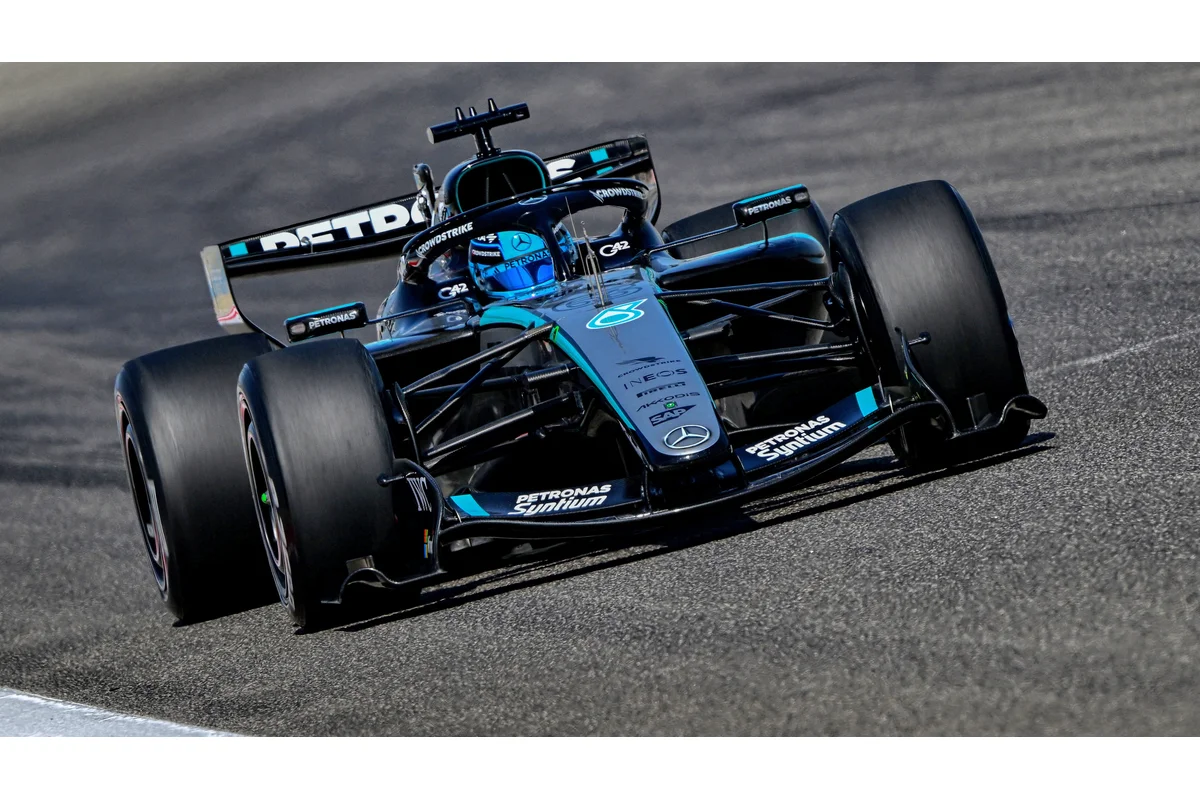
Lawson’s Racing Bulls team posted the shortest launch preparation, taking only six seconds to prepare from lights out to starting, a potential advantage despite a somewhat “messy” launch characterized by inconsistent engine revving and a “slightly flat” getaway. This rapid start process could prove beneficial in races, even if Lawson hasn’t yet mastered a perfect launch.
By contrast, other teams required significantly longer preparation times: Oliver Bearman’s Haas used 11 seconds before launching, while Gabriel Bortoleto’s Audi-powered car took 13.5 seconds. Valtteri Bottas in a Cadillac, sharing the Ferrari power unit seen in Bearman’s car, also needed 11 seconds to ready his start.
Lance Stroll’s start with the Honda power unit was interrupted by a required restart, reflecting ongoing refinement issues. McLaren’s power unit was described as “extremely clean,” requiring eight seconds, although the overall longer start preparations have raised concerns for the FIA compared to previous car generations.
The Complexity of 2026 Race Starts Explained by Oliver Bearman
Oliver Bearman shed light on the difficulty teams face under the new start procedure in a discussion with The Race. He described the process as much more complicated and inconsistent, emphasizing the extended waiting period before the actual start, which demands precise timing.
Bearman said,
“It’s a lot more complicated and a bit more inconsistent, that’s for sure.”
He added,
“Now we have to spend a lot longer doing the wait phase prior to doing the actual start, and it’s really on a knife-edge to get it right.”
Even a half-second delay or early acceleration can ruin the start.
He explained,
“It’s really a matter of milliseconds; if you’re too late or too early by half a second, then it doesn’t work.”
Practice starts have been inconsistent, creating anxiety, though improved understanding of the engines should help.
Bearman continued,
“It’s not as easy as a throttle position equals a certain power from the engine. And then of course, you have the transition to MGU-K at a certain speed as well, which is proving challenging to implement properly.”
“It’s tough for everyone, that’s for sure. You see everyone sitting on the grid for 20 seconds with their rpm all over the place, and it shows that we’re not the only ones struggling with that.”
Oliver Bearman, Driver
Lawson’s Potential to Leverage Start Skills Amid Technical Questions
Liam Lawson’s quick launch preparation might provide a critical edge if Racing Bulls remain stuck in midfield battles during the 2026 season. While the Red Bull power unit has generally surpassed expectations, questions persist about how competitive the VCARB 03 chassis will be in race conditions.
Given the tense and uncertain atmosphere among teams adapting to the new race start procedures, Lawson’s speed at the launch phase could be a decisive factor in gaining positions early in races. This advantage may help him make up ground lost through other performance limitations of the car, offering hope for a better season than some prognosticators expect.
