
Liam Lawson struggled significantly during his first full season with Red Bull Racing in 2025, leading to his replacement by former teammate Yuki Tsunoda after just three races. Despite promising performances with Racing Bulls in 2023 and 2024, Lawson’s promotion to a Red Bull seat did not go as planned, as he failed to advance beyond Q1 in all his appearances and missed out on scoring any points. Lawson’s challenges driving the Red Bull car have drawn attention amid ongoing discussions about the car setup tailored to Max Verstappen.
Understanding the Complexities Behind Lawson’s Red Bull Challenges
In a candid interview on the Gypsy Tales Podcast, Liam Lawson shed light on why adapting to the Red Bull F1 car was more difficult than many anticipated. He explained that the car’s handling was unlike anything he had previously experienced and that he did not have sufficient time to fully adjust to its characteristics. Lawson emphasized that the common perception of the car having “too much front” grip and being undrivable is incorrect, noting that throughout his career he has typically favored cars with strong front-end balance.
He pointed out that the main issue was the car’s balance through corners at the start of the season. The Red Bull machine proved very sensitive when initiating turns at extremely high speeds, demanding absolute confidence and precision. Lawson described how even minimal hesitation at a speed exceeding 300 kilometers per hour could cost substantial lap time, creating a steep learning curve for any driver trying to match Verstappen’s exceptional pace.
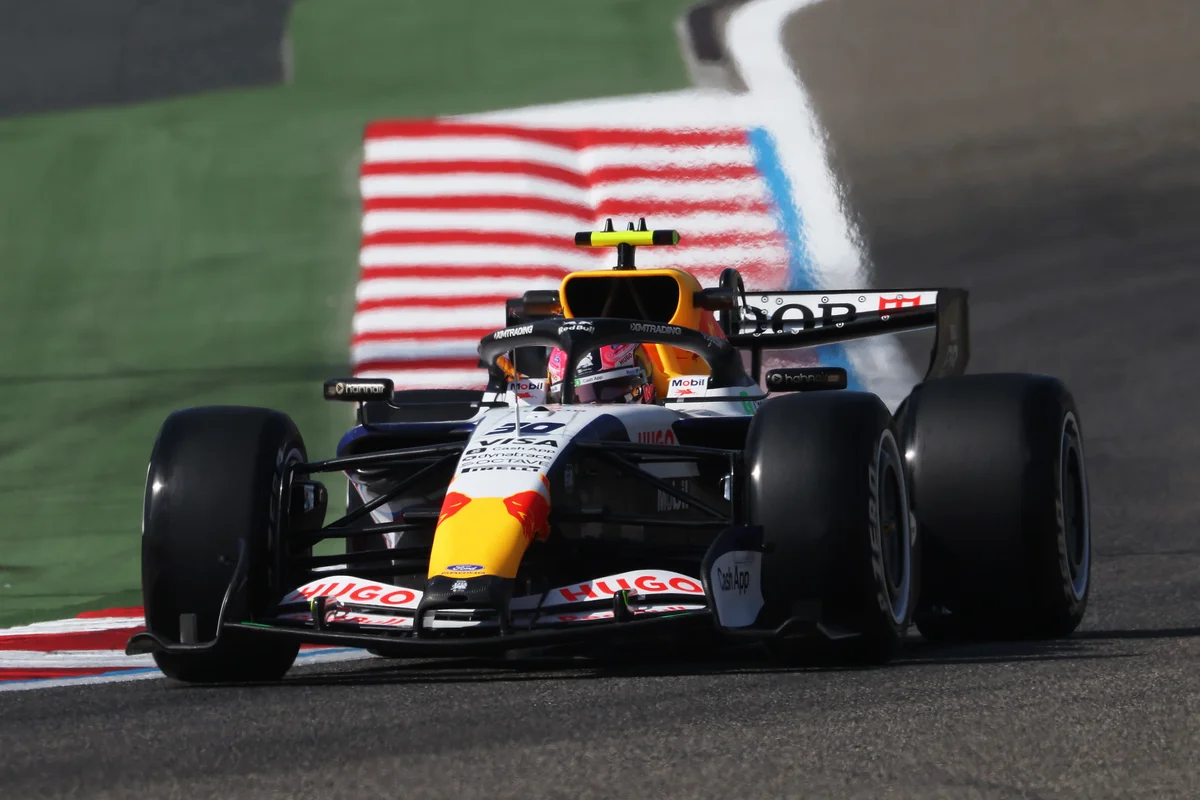
“So, you need to be sort of that level of comfort being comfortable.”
– Liam Lawson, Racing Driver
Continued Challenges for Drivers Following in Verstappen’s Footsteps
Liam Lawson’s experience is not unique among Red Bull drivers attempting to replicate Max Verstappen’s driving style in the team’s cars. Recent drivers such as Sergio Perez, Alex Albon, and Pierre Gasly have also faced struggles adapting to the car’s demands. While Red Bull maintains that their car is not engineered exclusively for Verstappen’s preferences, the team recognizes his strengths and seeks to maximize them whenever possible.
This year, Lawson’s former position will be taken by rookie Arvid Lindblad, who is expected to have a more secure role at Racing Bulls. Meanwhile, Isack Hadjar is now tasked with the difficult job of trying to match Verstappen’s speed and adaptability to the Red Bull machine in 2026. Verstappen himself has expressed dissatisfaction with the new regulations shaping the 2026 cars but continues to refine a driving approach that others will need to master to remain competitive.
The ongoing adjustments and the high expectations placed on Red Bull’s junior drivers underline the challenge of stepping into a seat previously occupied by one of Formula 1’s most talented racers. For Hadjar and others, having sufficient time to gain experience in the car will be vital to their success, unlike Lawson’s truncated opportunity last season.
Implications for Red Bull Racing’s Driver Development Strategy
Liam Lawson’s difficulties with the Red Bull car illustrate the demanding nature of Formula 1 at the highest level and the complexity of matching Verstappen’s exceptional driving style. Such challenges highlight how important car setup, driver confidence, and adequate adaptation time are in shaping a driver’s performance. Red Bull’s approach to nurturing emerging talents may need to balance pushing drivers towards rapid results with providing enough development time to build familiarity with the car’s unique characteristics.
Looking ahead, the experiences of Lawson, alongside established and incoming drivers like Hadjar, will inform Red Bull’s strategy as it continues to dominate the sport while managing the risks involved in promoting young talent. How Red Bull addresses these challenges could impact the team’s future competitiveness and the career trajectories of their drivers.
