
Francesco Bagnaia’s 2025 MotoGP campaign has been marked by significant challenges as he struggled to adapt to the Ducati GP25 bike. Despite minimal changes compared to the previous GP24 model, the GP25 represented a step backward in performance for most riders, excluding Marc Marquez, who managed to overcome mechanical issues through exceptional skill. Bagnaia found his strengths in braking and corner entry severely diminished, frequently voicing frustration about his lack of connection with the bike and managing only two wins throughout the season.
Bagnaia’s Frustration and Demand for Clarity from Ducati
Throughout the season, Bagnaia openly criticized his bike and the Ducati team’s approach, seeking explanations for his underwhelming results. Engineering staff were perplexed, especially given Marquez’s contrasting success on a similar machine. Late in the year, Bagnaia reverted to GP24 parts, which notably improved his performance and led to a victory at Motegi. This experience influenced Ducati’s direction with their 2026 model, indicating a return to some previous components.
Mat Oxley Challenges Ducati’s Public Explanation for Bagnaia’s Struggles
Journalist Mat Oxley voiced strong criticism of Ducati’s account concerning Bagnaia’s issues, particularly disputing the claim that the rider’s difficulties stemmed from the ride height device on the 2025 bike. Reporting from Sepang, where Marquez tested Ducati’s 2024 aero package, Oxley highlighted the team’s approach in developing the GP26 by blending the qualities of the GP24 with lessons learned from the problematic GP25. However, Oxley pointed out the absurdity of supplying their riders with a 2025 specification engine that had previously caused a fire in half of Ducati’s factory garage.
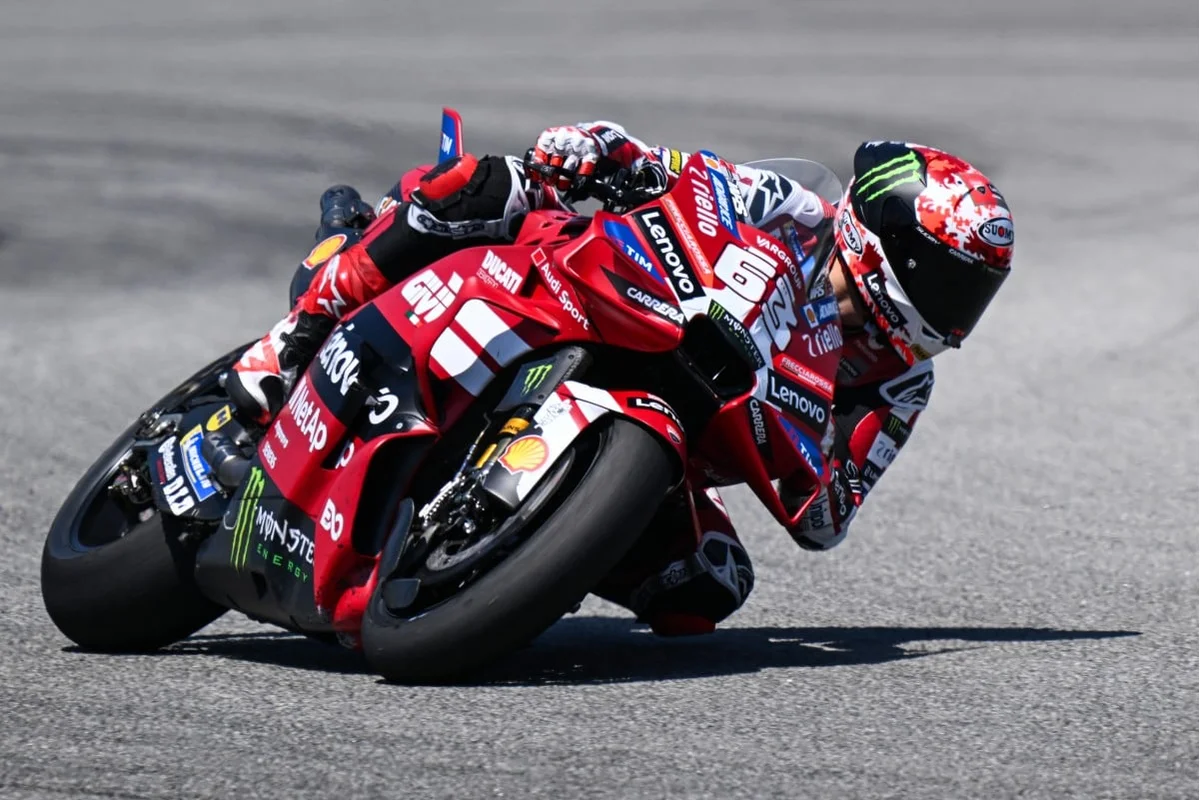
Oxley argued that there was no technical barrier preventing Ducati from replacing Bagnaia’s problematic ride height device mid-season, a move that could have halted his decline in confidence and performance. The journalist suggested that blaming this component was misleading and accused Ducati of dishonesty, implying the true causes of Bagnaia’s struggles might be more complex, possibly involving internal team dynamics.
Signs of Progress with Ducati’s Latest GP26 Bike
In contrast to the previous season, Bagnaia has shown clear improvements while testing the GP26. He confirmed better braking control and regained comfort during corner entry, indicating progress in addressing the issues that plagued him. In Malaysia, Bagnaia’s race simulation times outpaced those of Marquez, offering encouragement as the team and rider prepare for the upcoming Buriram test and the new MotoGP season.
The extent of this improvement may influence Ducati’s decisions regarding Bagnaia’s future with the team. With rumors swirling that he might shift to Yamaha, his upcoming contract talks and performance in the early 2026 races will be crucial indicators of his career trajectory.
The Broader Impact of Bagnaia’s Performance Struggles
Bagnaia’s difficulties underscore the challenges manufacturers face when evolving racing technology while trying to preserve rider confidence and performance. Ducati’s handling of the GP25 engine issue and their communication about technical problems have drawn scrutiny, revealing tensions between team management and rider expectations. How Ducati addresses these concerns in the near future could affect team morale and their competitive edge in MotoGP. Meanwhile, Bagnaia’s ability to adapt to the GP26 and secure strong results may determine not only his own standing but also influence team dynamics and rider markets across the paddock.
