
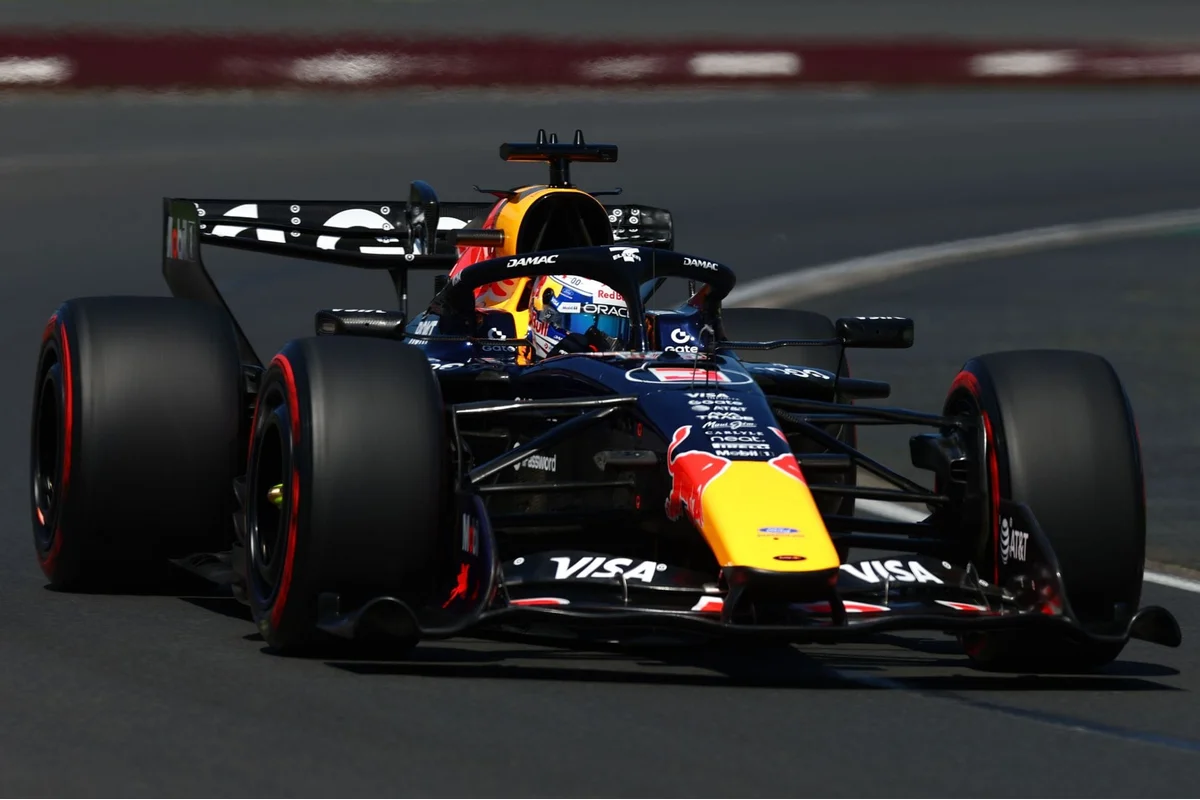
Max Verstappen suffered a dramatic crash during qualifying at the Australian Grand Prix in Melbourne, which he attributes to problems stemming from the new Formula 1 regulations. The Dutch driver expressed strong dissatisfaction with the current car dynamics, describing the formula as fundamentally flawed and diminishing the enjoyment of racing. His concerns have been vocal ever since the new rules were introduced.
Verstappen, driving the Red Bull RB22, encountered technical difficulties during his first flying lap in Q1 that caused the rear axle to lock unexpectedly, leading to him losing control and hitting the barriers. Despite the severity of the incident, he escaped serious injury after a check-up at the Medical Centre.
Technical Challenges Behind Verstappen’s Melbourne Qualifying Crash
Verstappen has consistently voiced unease with the new Formula 1 engine regulations, which emphasize energy restrictions that leave the cars “energy-starved” on the electrical side. Drivers must employ unusual techniques such as ‘lift-and-coast’ to maintain battery charge, often sacrificing speed in the process. This hybrid approach causes cars to lose momentum on straights when activating ‘super-clipping’ modes to recover energy.
Following his crash, Verstappen explained to reporters,
“I just hit the pedal, and the whole rear axle just completely locked.”
He added,
“Especially with these Formula 1 cars, it’s very weird. I mean, I’ve never experienced that in my whole life.”
Reporting further details to Sky Sports F1, he said,
“It went wrong before the downshift. I hit the pedal and quickly downshift, but it was already locked on the peak of the brake pressure. Something very weird, that’s for sure.”
Although knocked out early in qualifying, Verstappen remains critical of how these issues reflect wider problems within the current formula. Despite the Red Bull RB22 showing competitive pace in other respects, he openly questioned his future enjoyment in the sport under the present regulations.
Performance Gap Highlighted as Mercedes Dominates Australian Qualifying
The qualifying session also saw Mercedes secure a dominant pole position, with George Russell leading the field, followed closely by Kimi Antonelli. Oscar Piastri qualified in third, trailing Russell by eight-tenths of a second. Verstappen acknowledged this performance disparity, stating,
“I said in Bahrain… ‘Let’s wait and see in Melbourne, and you will see how fast they are.’ So for me, that’s not a surprise.”
He stressed the challenge facing Red Bull, saying,
“The gap is eight-tenths… that’s still a very big gap, and we know that we have to improve the car to fight Mercedes, because, at the end of the day, we’re not here to be P3 to P6 or whatever. We’re here to win. So yeah, step by step, hopefully we can get closer.”
Verstappen Reiterates Frustration During Driver Briefing
Throughout pre-race activities, Verstappen maintained his critical stance on the new regulations. In the drivers’ briefing on Friday night, he openly shared his discontent, telling colleagues,
“I said how I thought about it.”
He further expressed his lack of enjoyment with the current cars, stating bluntly,
“I mean, I’m definitely not having fun, at all, with these cars. I don’t know.”
Verstappen also encouraged others to review onboard footage, confident it would support his viewpoint:
“I mean, you can make up your mind, but I think, if you look at the onboard, you’ll see I’m right.”
Limited Options to Rectify Issues Amid Calls for Rule Revisions
With FIA technical director Nikolas Tombazis indicating that the governing body may consider revisions to improve the situation, Verstappen remained skeptical about meaningful changes being possible.
“There’s nothing that you can do,”
he said, highlighting that slowing the cars might offer a more normal speed profile but at the cost of overall racing pace.
He described the current formula as fundamentally flawed, noting,
“The formula is just not correct, and that is something that is a bit harder to change. But I think we need to.”
When asked if adjustments to his car could help him become more competitive, he admitted,
“I wouldn’t even know what to change, to be honest. It’s going to be a long season.”
Implications for Verstappen and the Season Ahead
Max Verstappen’s early exit from qualifying and sharp criticisms underline the struggles faced by Red Bull and other teams under the current F1 technical rules. His concerns highlight a broader debate about whether the sport’s direction emphasizes racing excitement or technical constraints that detract from driver performance and enjoyment.
As the season progresses, the pressure mounts on regulators and teams to find solutions that balance technological innovation with competitive racing. Verstappen’s views add weight to calls for faster action, and his performance will be closely watched to see if improvements can narrow the gap with Mercedes and restore greater satisfaction for drivers and fans alike.
