
Max Verstappen has raised concerns about Red Bull’s power unit, emphasizing the need for improvements in its correlation to ensure the team remains competitive this Formula 1 season. The four-time world champion’s warnings come as Red Bull prepares to debut its new power unit developed with Ford, marking a major milestone in their partnership after Ford’s long absence from F1.
Early Tests Show Promise but Spotlight Challenges Remains
Red Bull’s RB22, designed in Milton Keynes, has impressed during pre-season testing by delivering stronger-than-expected performance from the fresh power unit. Verstappen expressed appreciation for the team’s ability to organize effectively despite the complexities involved.
“All in all, with a positive feeling. We actually had very few issues. I think it’s quite remarkable that we’ve managed to get everything so well organised with a new engine and so many new people. In that respect, I’m very pleased,”
he said.
Despite such progress, Verstappen kept expectations realistic, acknowledging that the team still faces hurdles before it can challenge for race victories.
“If you then look at the performance, I do think we still need to take a step forward to truly fight at the front,”
he said.
“At this moment, I don’t think we’ll be competing for victory. But you also have to be realistic: that wasn’t our expectation at the start of these regulations with our own engine.”
Surprising Rivals, Red Bull Maintains Confidence
Verstappen noted that Red Bull’s rivals did not anticipate the power unit’s reliability and pace.
“I don’t think they expected it either — they probably thought the engine would simply blow up,”
he remarked.
“In that respect, we’ve done a superb job and have things well under control. We can definitely be proud of that.”
This early success reflects the team’s solid engineering and strategic efforts in overcoming the inherent risks of introducing a new engine.
Focus on Refining Engine Correlation and Performance
While Verstappen avoided revealing detailed technical problems, he underscored the importance of refining engine correlation and other variables to enhance performance.
“There are many things you need to fine-tune, including with the engine,”
he explained.
“The regulations are so complex that there’s always something you can improve. We’re obviously working very hard on that.”
Temperature management was singled out as a key factor influencing the power unit’s output.
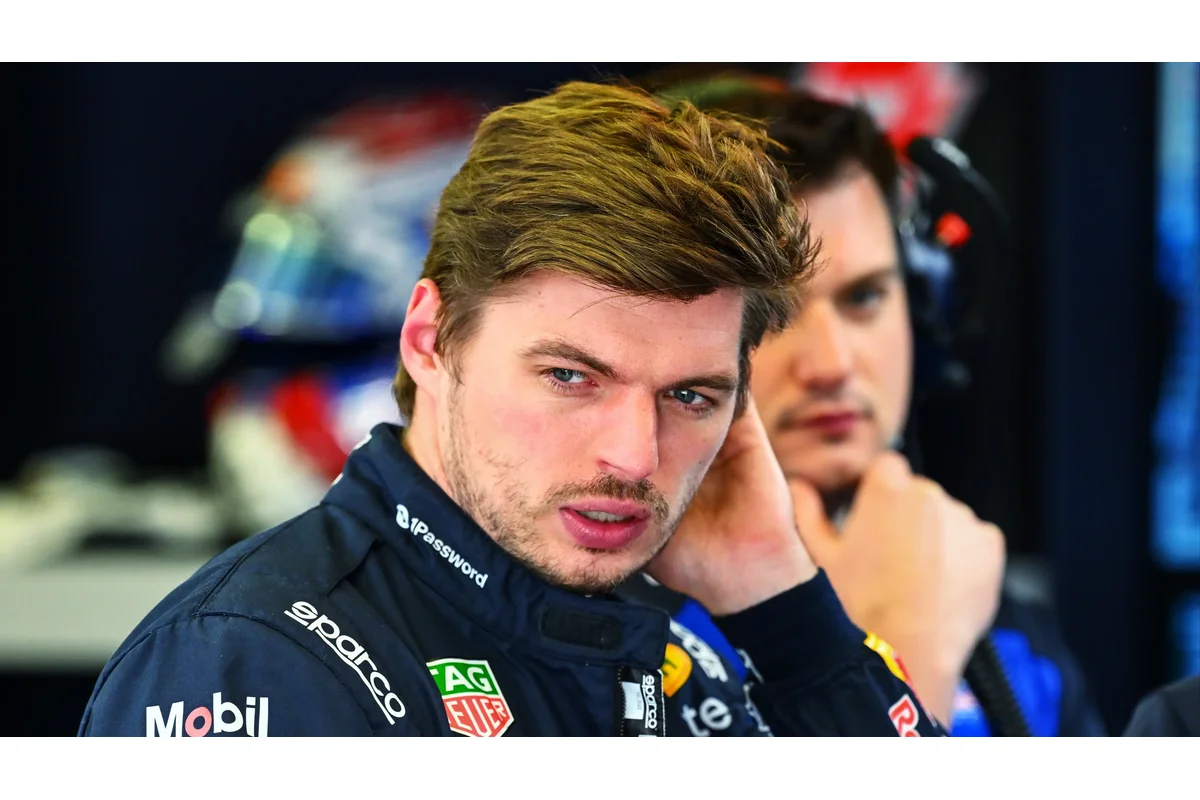
“A lot of it is simply correlation,”
Verstappen said.
“You always have to take temperature into account, for example, of the engine itself, but also the ambient conditions. That always has a significant influence on an engine’s performance. In that area, we can still take a step forward.”
Road Ahead for Red Bull’s Championship Aspirations
As the season approaches, Verstappen’s mixed feelings highlight the tension between optimism and caution facing Red Bull. With the team’s new power unit promising but still flawed, the pressure intensifies to resolve these issues quickly. The outcome could determine whether Red Bull sustains its dominance in Formula 1 or struggles against rivals benefiting from more established powertrain packages. The coming races will reveal how effectively Verstappen and the Milton Keynes squad tackle these challenges, with fortunes likely hinging on mastering their homegrown engine.
