
Max Verstappen has officially confirmed that he will remain with Red Bull Racing through the 2026 Formula 1 season, ending speculation about his future with the team. This commitment was announced at the Hungarian Grand Prix, with Verstappen extending his contract through 2028, signaling stability in Red Bull’s driver lineup amid a period of significant change within the sport. The decision comes shortly after news surfaced that George Russell is close to securing a multi-year contract with Mercedes, intensifying discussions about how driver movements could reshape the grid in the coming years.
Speculation had mounted earlier in 2025 regarding Verstappen’s potential move to Mercedes, fueled by Russell’s remarks at the Austrian Grand Prix about ongoing negotiations involving Verstappen. However, Verstappen’s announcement has put those rumors to rest, affirming that Red Bull will retain their reigning World Champion for the foreseeable future.
Helmut Marko Praises Verstappen’s Renewal and Red Bull’s Future Plans
Helmut Marko, Red Bull’s longstanding advisor, expressed relief and enthusiasm following Verstappen’s contract renewal. Known for his close relationship with Verstappen, Marko described the confirmation as a “big release” for the team and emphasized their determination to deliver a significantly improved car in 2026, known internally as the RB22.
The whole team is really, really enthusiastic to make a better car for him next year.
— Helmut Marko, Red Bull Racing Advisor
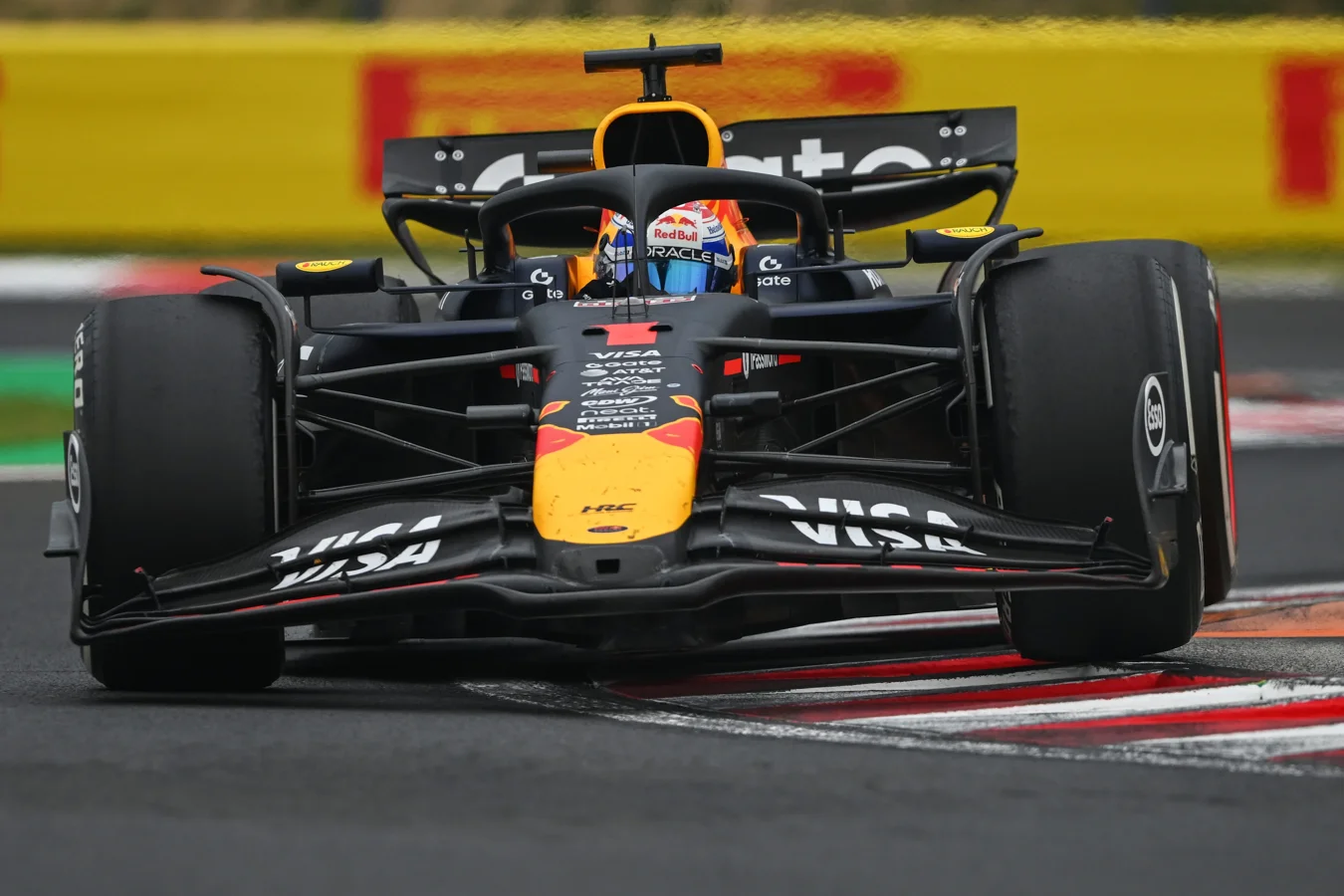
This commitment arrives amid a challenging 2025 season for Verstappen, with the driver currently facing difficulty in defending his World Championship title. After securing four consecutive championships since 2021, Verstappen trails the current championship leader, Oscar Piastri, by a substantial margin following the Hungarian Grand Prix, diminishing his chances for a fifth crown.
Verstappen’s ninth-place finish in Budapest marked his worst result of the year and highlighted performance struggles, as he finished over a minute behind race winner Lando Norris. Despite these setbacks, Verstappen claimed victories in Japan, Emilia Romagna, and a sprint race in Belgium earlier in the season.
Addressing Verstappen’s fading title hopes for 2025, Marko conceded plainly:
It’s impossible, clearly.
— Helmut Marko, Red Bull Racing Advisor
Overview of Red Bull’s 2026 Technical Transformation
The 2026 F1 season marks a major transformation as Red Bull prepares to manufacture its own engines through its newly founded Powertrains division in partnership with American automaker Ford. This shift follows Honda’s departure as Red Bull’s engine supplier and its new collaboration with Aston Martin.
Christian Horner, the former Red Bull team principal recently replaced, regarded this change as “by far the biggest challenge” the team has ever faced. The new era introduces significant regulation changes, including 50% hybrid electrification, mandatory sustainable fuels, and advancements in active aerodynamics, all designed to reshape performance across the grid.
Experts suggest that while Mercedes appears best positioned with its power unit development for 2026, Red Bull-Powertrains-Ford and other manufacturers like Ferrari, Audi, and Honda are encountering difficulties adjusting to the new technical demands. Despite these obstacles, Horner expressed confidence in Red Bull’s preparation and long-term potential.
Christian Horner’s Perspective on the Powertrains Challenge and Verstappen’s Future
In his final race weekend at Red Bull, Horner spoke candidly about the complexities Red Bull faces as a new power unit manufacturer and highlighted the significance of integrating engine and chassis development within a single facility.
He acknowledged that expecting Red Bull to surpass Mercedes immediately in 2026 would be unrealistic, given Mercedes’ head start in adapting to the new rules, but stressed the value of having teams working closely together under one roof.
Maybe it won’t be in ’26, but ’27, ’28, and beyond, long term for Red Bull, 100 per cent it is the right thing.
— Christian Horner, Former Red Bull Team Principal
Horner also remarked on the cyclical nature of success in Formula 1, underlining Red Bull’s aim to build towards the next period of competitiveness centered around Verstappen. He warned that it would be “embarrassing” for Mercedes if Red Bull and Ford delivered a superior engine on their initial attempt, emphasizing the high stakes of this internal transition.
Horner’s comments reflect a cautious optimism that, while 2026 will be a learning year, Red Bull’s investments and team culture provide a strong foundation to challenge for top honors in future seasons.
Implications for Red Bull and Formula 1’s Future Landscape
Verstappen’s recommitment to Red Bull sets a clear course for the team as they navigate a new chapter in Formula 1. With the introduction of in-house engine production and sweeping regulation changes, Red Bull aims to maintain its competitive edge in an evolving sport.
This transition period could redefine power dynamics, particularly as established manufacturers like Mercedes face fresh competition from Red Bull’s new technical setup. Verstappen’s presence brings continuity and leadership through these uncertain times, which is crucial to Red Bull’s prospects of success amid heightened challenges.
The RB22 upgrade planned for 2026 is expected to be pivotal in providing Verstappen with machinery capable of reclaiming championship form. Although Verstappen’s dominance faded somewhat in 2025, Red Bull’s technological advancements and strategic investments indicate the team’s ambition to return to the front lines.
Going forward, closely monitoring Red Bull’s engine program development and Verstappen’s performance under the new regulations will reveal whether this partnership continues to shape the championship landscape for years to come.
