
Max Verstappen’s driving confidence plays a vital role in his success, especially as he adapts to the complex demands of modern Formula 1 machinery. The car’s setup is continuously fine-tuned based on real-time feedback from Verstappen and his engineers, with adjustments made through steering wheel controls to optimize lap performance. This hands-on approach allows Verstappen to develop trust in his car, enabling him to concentrate fully on extracting the best from himself during each race.
The importance of confidence was clear during the latter part of the 2025 season when Verstappen found his rhythm following Red Bull’s strategic shift after a poor first half. This surge helped the Dutch driver claim victory in six out of the final nine races, positioning him just two points shy of securing his fifth world championship. His key rival, Oscar Piastri, struggled with confidence on low-grip tracks and ultimately dropped to third place, while Lewis Hamilton also faced challenges with Ferrari’s unpredictable SF-25, which affected his qualifying pace and race results relative to teammate Charles Leclerc.
Simulator Practice and Adaptation to New Regulations
One factor aiding Verstappen’s confidence and driving mastery is his dedicated time in the simulator at his Monaco home. Here, he tests and refines setups for upcoming circuits, preparing in advance for the demands of different tracks. The 2026 season will introduce cars needing a new driving style focused on battery management; while Verstappen has been openly critical of the new rules, his adaptability should help him transition smoothly, so long as Red Bull delivers a competitive vehicle.
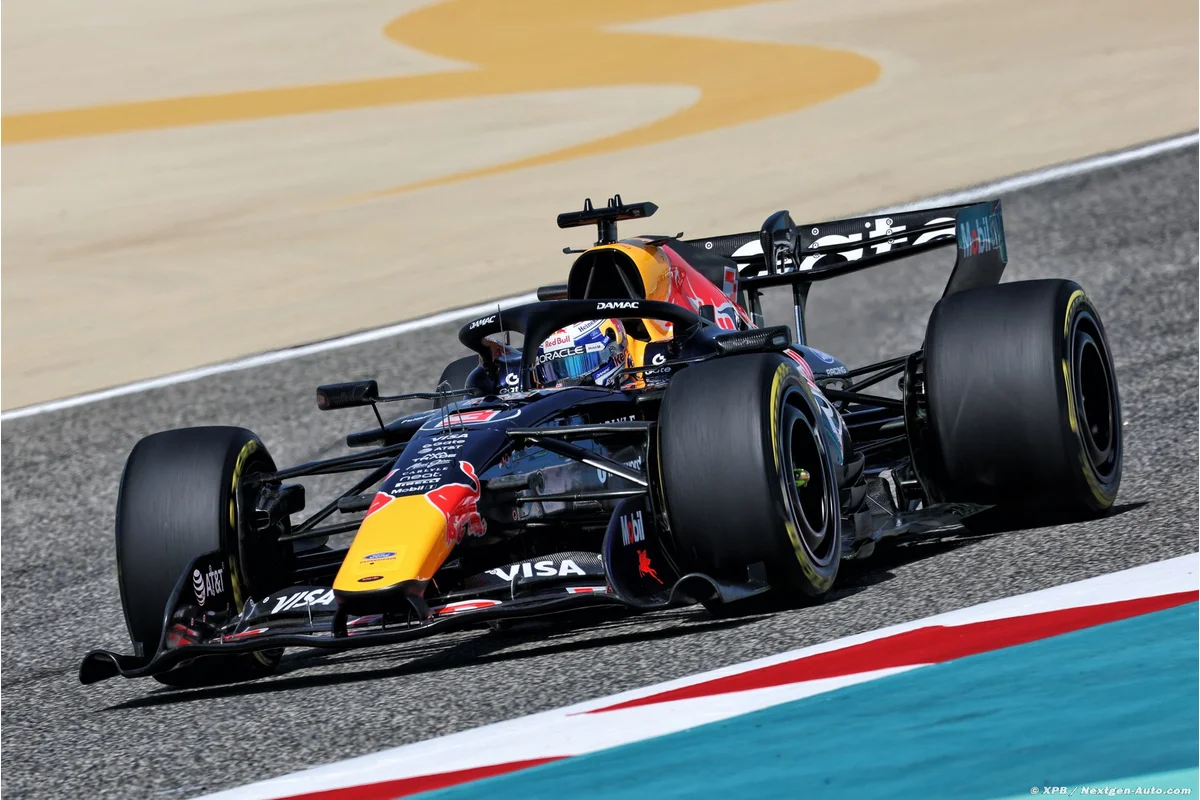
Former driver and commentator Johnny Herbert highlights the critical link between driver feeling and performance. He explained to Snabbare,
“We know very much how it affects the human side of it when we saw what happened last year with Lewis Hamilton, where he was totally and utterly unable to feel what was going on in the car,”
Herbert continued,
“And that’s where sometimes a driver has to, one, adapt, but secondly, there has to be that feeling, that connection with that steering wheel, and suspension to the tyre and that connection you have with the road.
“If you haven’t got that, then your confidence is not going to be high, and then you’re not going to be able to push that. So that’s got to be a very important part to it. Some adapt better than others. I think the drivers who game adapt better. The younger cohort are so used to it.
“Max Verstappen plays a lot of those games, and he has that ‘seventh sense.’ But he still has to have that ability to feel what the car underneath him is doing. It doesn’t matter how good the car is; it could be the quickest car in the world.”
Herbert underscored the driver’s role as the final piece in optimizing performance, adding,
“But if the driver can’t feel it, can’t drive, it doesn’t really matter. Then you have to adapt that car to try and make the driver feel happy in that cockpit. He, after all, is the last part of the jigsaw.”
Midfield Teams Prepare for Intense Competition Amid Shifting Dynamics
While the top spots on the 2026 grid are expected to be dominated by Red Bull, McLaren, Ferrari, and Mercedes, competition for the remaining points-scoring positions promises to be fierce. Aston Martin was predicted to challenge at the front following the recruitment of renowned designer Adrian Newey and the introduction of Honda power units. However, persistent reliability problems during preseason testing have dampened expectations, pushing a potential climb up the order back to 2027.
This shift opens opportunities for midfield teams like Haas and Alpine, who ended 2025 near the bottom of the standings. Alpine, in particular, showed promise during Bahrain’s final tests, with Pierre Gasly securing the fastest time among midfield runners, ranking eighth overall. The 2026 season marks a critical juncture for Alpine as it moves away from Renault’s works power units in favor of a Mercedes supply, aiming to halt years of underperformance.
Challenges Facing Alpine and Potential Changes in Ownership
Alpine’s future remains uncertain following Renault Group’s reductions in other motorsport programs, including sportscar and rally disciplines, sparking speculation about the Formula 1 team’s fate. Otro Capital currently holds a notable 24% stake in Alpine, drawing interest from several buyers, including a consortium led by former Red Bull team principal Christian Horner.
Horner, who unexpectedly left Red Bull in mid-2025, has expressed interest in re-entering Formula 1 but only with a team capable of winning. Despite Alpine’s 2006 championship history—with Fernando Alonso at the helm—its recent results and Renault’s hesitancy to divest completely make the team a less attractive prospect. The current instability may deter Horner from committing to Team Enstone.
Expert Insights on Horner’s Prospects with Alpine
Johnny Herbert provides perspective on what Horner’s involvement with Alpine might entail, cautioning that success will not come quickly. He said,
“Christian Horner still has that desire to be around the Formula One paddock,”
Herbert added,
“I don’t know what he wants to achieve with that. I don’t think by buying into Alpine he’s necessarily going to be in the right place.
“It’s not going to be instant success. It’s going to take time, a lot of time and a lot of effort to be able to create what you need, for a team to be able to win races or world championships. What I mean by that is it’s getting the right people on board.
“That is always going to be the biggest difficulty that you have. But that seems to be what Christian is working on, and we’ll just have to wait and see if that’s something that can come together.
“But it’s not going to be an instant success like he had at Red Bull. When that first kicked off and how quickly, realistically, they were in a fight for a championship. Alpine has had that struggle over the last five years or so. It hasn’t really got better. Even when Flavio went in, a lot of people were thinking, well, that’s going to be a big change.”
Addressing the unfulfilled hopes of change, Herbert concluded,
“Flavio was talking about a big change, but that big change and that competitiveness never happened and still hasn’t happened yet. We’ll have to wait and see what happens, but I don’t foresee there being a big shift in a positive way, unfortunately, at the moment.”
Looking Ahead to the 2026 Season and Beyond
Max Verstappen’s ability to maintain confidence in increasingly complex cars will remain a critical advantage, especially as Formula 1 evolves with new technical regulations. His “seventh sense” for car feel, honed through simulator work and experience, sets him apart as the season progresses. Meanwhile, midfield teams face an uncertain future amidst shifting ownership and technical challenges.
Christian Horner’s potential involvement with Alpine signals changes in the paddock, but experts temper expectations for rapid improvement given the team’s recent struggles and instability. With Aston Martin delayed in breaking through and Haas also seeking to advance, the race for the top midfield positions promises tight competition. How these dynamics unfold will influence whether Verstappen’s rivals can mount a stronger challenge or if Red Bull continues to control the front of the grid.
