
Max Verstappen has expressed that it is too late to modify the 2026 Formula 1 regulations despite calls from Carlos Sainz urging the FIA to remain flexible and consider feedback. The Dutch driver emphasized that the overhaul of the rules has been planned for years and is locked in through at least 2030, making last-minute changes unlikely.
The new 2026 regulations, which represent one of the most significant shifts in F1 history, impact both the chassis design and power unit configuration. The power units now have nearly equal reliance on electrical energy and internal combustion engines, increasing the importance of battery management during races and altering racing techniques considerably.
Significant Changes in Power Units Stir Mixed Reactions Among Drivers
The new system, introducing a roughly 50:50 split between electric power and traditional combustion, requires drivers to manage energy levels actively. This has led to uncommon strategies, such as downshifting on straights to harvest energy, which challenge conventional driving styles. Such innovations have split opinions on the grid. Lando Norris described the changes as “a lot of fun,” whereas Verstappen criticized them as “anti-racing” and likened the experience to “Formula E on steroids.”
As a four-time world champion, Verstappen’s criticism centers on concerns that the new rules may confuse casual viewers, potentially damaging the sport’s appeal. Nonetheless, the unpredictable nature of races under these regulations could increase excitement, with more position changes expected because of varying energy management tactics.
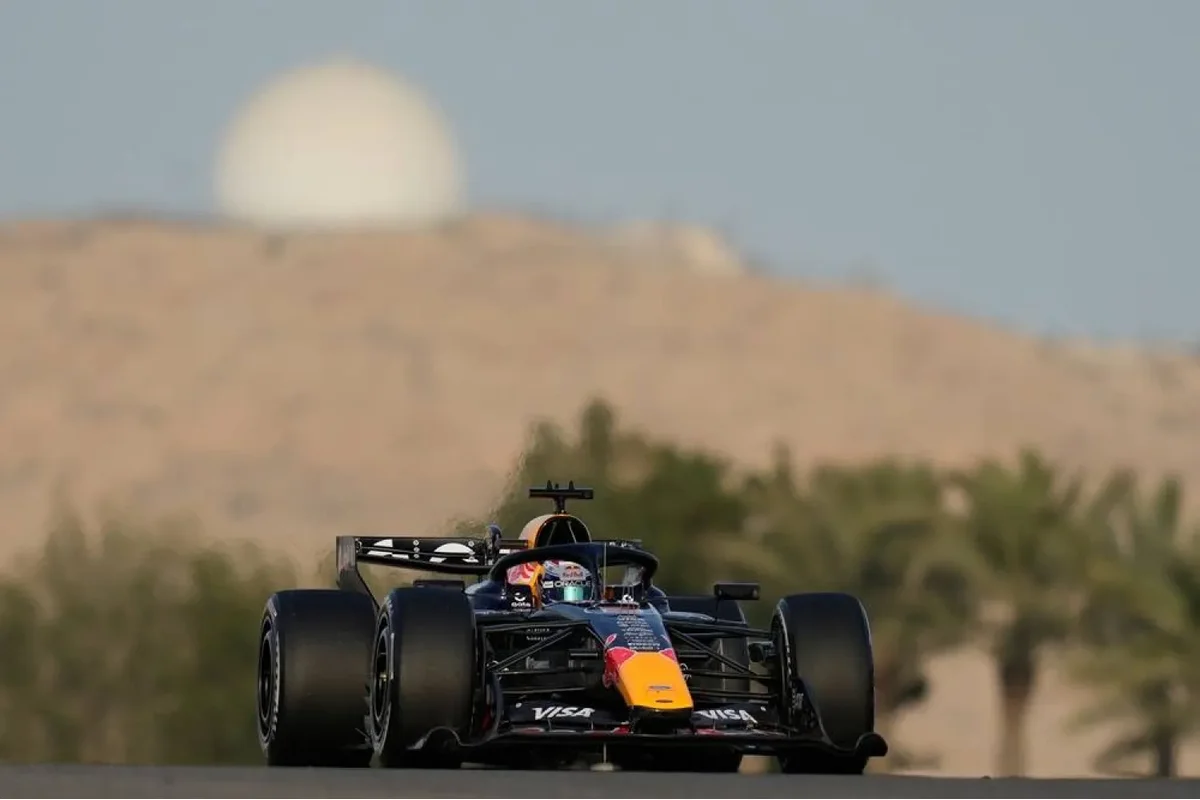
Carlos Sainz Advocates for Openness to Rule Evaluation After Initial Races
Carlos Sainz, reflecting on the upcoming Melbourne season opener, encouraged patience before passing judgment on the new regulations. He highlighted the importance of observing several races before determining whether adjustments are necessary, noting the differing characteristics of circuits such as China and Japan.
“Give it maybe two or three examples, and then if clearly there’s something off, something wrong, I hope we are able to change.”
Sainz’s viewpoint suggests that while the rules are now in place, there should still be receptiveness to modifications informed by real-world race conditions.
Verstappen Doubts Possibility and Effectiveness of Future Amendments
Asked directly about Sainz’s suggestions, Verstappen downplayed the chances of changes due to the extensive financial and developmental investment in the current regulations. He remarked,
“We’re a bit late with that. The amount of money that has been invested into these regulations, it will be around for a while. You could have seen this coming. That suddenly now things are raised, it’s a bit late.”
One proposed adjustment involves increasing the super-harvesting power allowance from 250kW to 350kW. This change aims to reduce the number of unnatural energy management techniques such as “lift and coast,” which force drivers to alter their driving unexpectedly.
However, Verstappen expressed uncertainty about whether this increase would improve the racing, pointing out that many factors, including track layout, affect how energy harvesting impacts performance.
“So I’m not sure. It’s a difficult subject to actually say this is the best thing with what we have at the moment. I guess that’s why they also just want to see how it goes here in the first place, but it’s all pretty complicated.”
Impact of New Regulations on Race Dynamics and Future Outlook
The 2026 rules are expected to create more varied and unpredictable racing because circuits will demand different approaches to energy harnessing and management. This complexity could divide fans and drivers alike, as the shift away from traditional driving styles challenges norms within the sport.
With Verstappen and other key figures like Sainz and Lando Norris vocal about their differing perspectives, the regulation changes mark a pivotal moment in Formula 1 strategy and technology. As the season progresses, scrutiny will intensify on whether the new power units and chassis regulations achieve the intended balance of excitement and fairness while maintaining fan engagement.
Future discussions around the FIA’s willingness to adapt the 2026 regulations may hinge on tangible data from initial races and feedback from teams and drivers. For now, Verstappen’s stance highlights the challenges of reversing course after significant investments have been made.
