
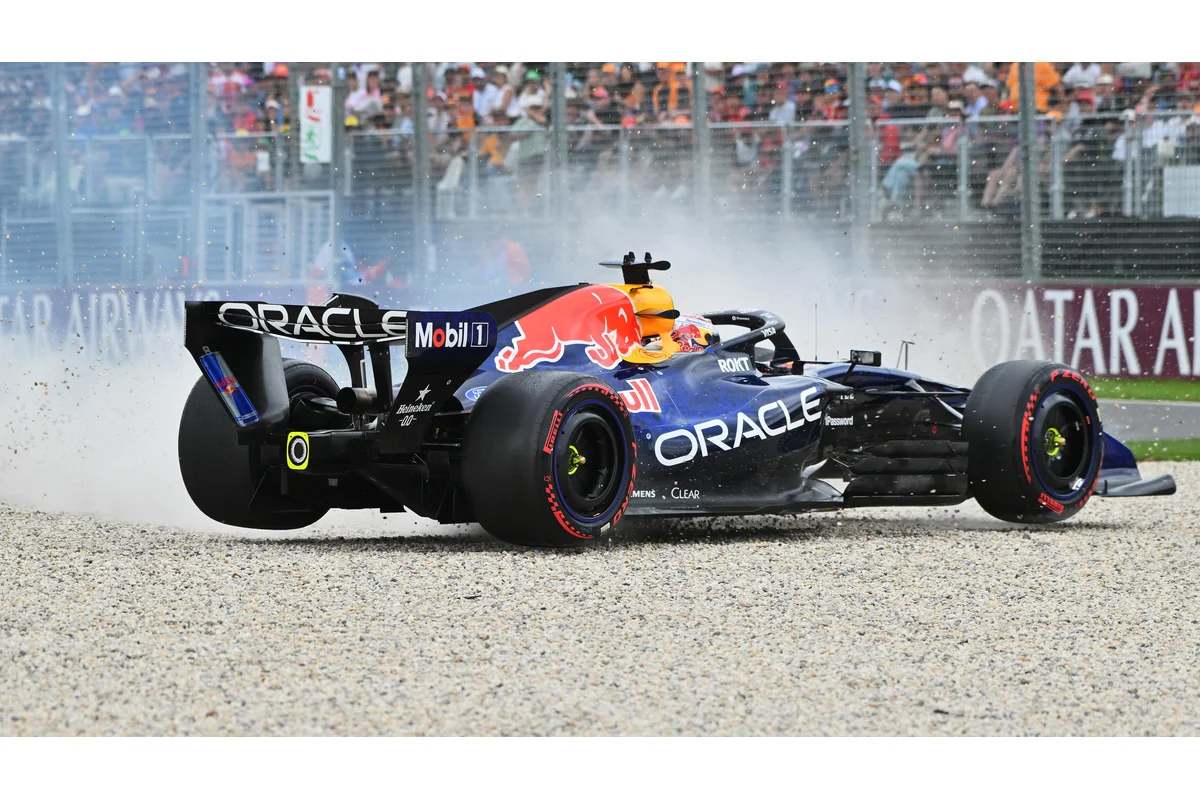
Following the Australian Grand Prix, prominent Formula 1 drivers Max Verstappen and Lando Norris publicly expressed frustration with the newly implemented technical regulations, igniting widespread debate within the sport. These changes, aimed at reshaping the competition’s landscape, have raised questions about the current state and future direction of Formula 1 amid evolving rules and fierce team rivalries.
Recent History Shows Formula 1’s Resilience Through Crises
Formula 1 experienced a near-collapse six years ago during the height of the COVID-19 pandemic, which halted racing until July 2020 and threatened the financial stability of teams like McLaren. Only a significant bailout of $185 million from Bahrain’s sovereign wealth fund prevented McLaren from facing imminent ruin. Although the sport rebounded with the return of prestigious events in Australia, Singapore, Qatar, and Saudi Arabia by 2022, the foundation remained fragile with the upcoming 2026 rule changes looming over the paddock.
Industry Giants Enter the Arena as F1 Prepares for Transformation
As the 2026 regulatory overhaul approached, major automakers including Ford, Porsche, and Audi engaged in talks to join Formula 1, with Michael Andretti striving to establish a new team at the Miami circuit. The announcement at the 2022 Belgian Grand Prix that Audi would operate as a full works team represented a landmark shift in the sport. New engine specifications, featuring the elimination of the MGU-H and a balanced power split between internal combustion engines and batteries, promised to attract these manufacturers and reshape the technological landscape.
Controversial Technical Changes Spark Division Among Drivers
The Australian Grand Prix spotlighted the contentious debut of active aerodynamics and multiple energy modes, which have split opinion on their effect on racing quality. Carlos Sainz, driving for Williams, criticized the energy mode system, calling it a
plaster to a solution for an engine formula that… doesn’t seem to work very well right now.
His remarks underscore the perception that overtaking statistics, such as the race’s 120 passes compared to a previous opener’s 45, may reflect drivers’ adapting attempts rather than genuine competitive engagement.
On-Track Battles Showcase Excitement but Raise Question on Regulation Impact
The season’s inaugural race featured intense duels between drivers like George Russell and Charles Leclerc, swapping leads several times during the first eleven laps. Despite this excitement, debate continues over whether such moments justify the substantial financial resources deployed by teams and stakeholders. The essence of Formula 1, many argue, lies in crowning a deserving champion after a demanding season rather than in sporadic race-long moments.
World Champion Lando Norris Voices Strong Criticism of Current Cars
Contrasting the enjoyment of the spectacle, reigning champion Lando Norris expressed his dissatisfaction with the present rules, lamenting,
We’ve come from the best cars ever made in Formula 1 and the nicest to drive to probably the worst.
His comments reflect a wider concern that advancements in car technology may be diminishing the visceral challenge that has historically defined the sport. According to Norris, the appeal of driving in Formula 1 should include mastering difficult machines rather than highly refined but less engaging vehicles.
George Russell Responds to Criticism Amidst Intense Rivalry
In response, George Russell suggested that personal performance often colors drivers’ opinions, stating,
Everyone’s always looking to themselves, and we’re all selfish in this regard,
reminding fans of the age-old competitive dynamics at play within the sport. This exchange highlights the tensions among top competitors as they navigate the new regulations and their impact on racing dynamics.
Safety and Qualification Issues Underscore Challenges with New Rules
The start of the Australian Grand Prix revealed safety concerns, particularly when Franco Colapinto narrowly avoided a severe crash following a slow launch from Liam Lawson. This incident emphasized the ongoing dangers amidst technical transitions. Additionally, recent qualifying sessions have raised questions about drivers’ ability to sustain speed through critical corners, suggesting that current regulations may be hindering the demonstration of car performance.
Recollections of Earlier Eras Temper Perspectives on Current Difficulties
Fans and insiders frequently recall pre-2020 racing regulations with nostalgia, drawn to the striking visuals and classic competition they recall. However, those seasons were also marked by their own flaws, often featuring processional races where overtaking was limited and strategy overshadowed direct on-track battles. This perspective places current struggles into a broader historical context.
Polarized Reactions Reflect Divisions Throughout the Formula 1 Community
The dissatisfaction voiced by Norris and Verstappen after the Australian contest seems partly driven by immediate frustrations and mixed fortunes among teams. Mercedes and Ferrari’s apparent advantage under the new rules contrasts with struggles faced by others, prompting some drivers to openly criticize while others embrace the changes. This pattern of dissent versus endorsement is emblematic of Formula 1’s enduring culture of fierce competition and constant adaptation.
Formula 1’s Enduring Drama Rooted in Change and Rivalry
Looking back at the sport’s history makes it clear that change is the only certainty in Formula 1, and success depends on how swiftly teams can adjust. The controversy surrounding the new regulations adds another chapter to the ongoing narrative. As Mark Twain once remarked,
The report of F1’s death has been greatly exaggerated.
The continuous evolution and rivalry ensure that Formula 1 remains a captivating spectacle, with debates as intense as the races themselves.
