
Miguel Oliveira has expressed strong reservations about MotoGP‘s plan to relocate the Australian Grand Prix from Phillip Island to a street circuit in Adelaide starting in 2027. The Portuguese rider described the idea of racing a MotoGP prototype on public roads as “absolutely crazy.” This announcement marks the first time since 1981 that MotoGP will compete on a street circuit, prompted by the Victorian government’s refusal to move the race from Phillip Island to Melbourne’s Albert Park. The change aims to bring the event closer to urban fans and adapt the calendar for evolving motorsport demands.
The End of an Era: Phillip Island Removed from MotoGP Calendar
Phillip Island has been a key fixture on the MotoGP calendar since 1997, renowned for its high-speed layout and scenic coastal setting. However, its longstanding place is coming to an end due to concerns about outdated facilities that no longer meet the standards required for modern MotoGP events. The switch to Adelaide’s street circuit reflects a broader strategy by MotoGP’s owners to engage new audiences by hosting races in city centers, despite safety and logistical challenges.
Evaluating the Safety Challenges of a MotoGP Street Race
Oliveira shared his apprehensions with Speedweek regarding MotoGP’s first street race in decades, emphasizing the difficulty of safely operating highly sophisticated motorcycles at speeds exceeding 300 km/h on surfaces not originally designed for racing. He pointed out specific safety issues such as riding over road markings or recently repainted areas, which can be particularly hazardous at such velocities. Despite these concerns, Oliveira acknowledged confidence in the governing bodies to prioritize rider safety and implement the necessary modifications.
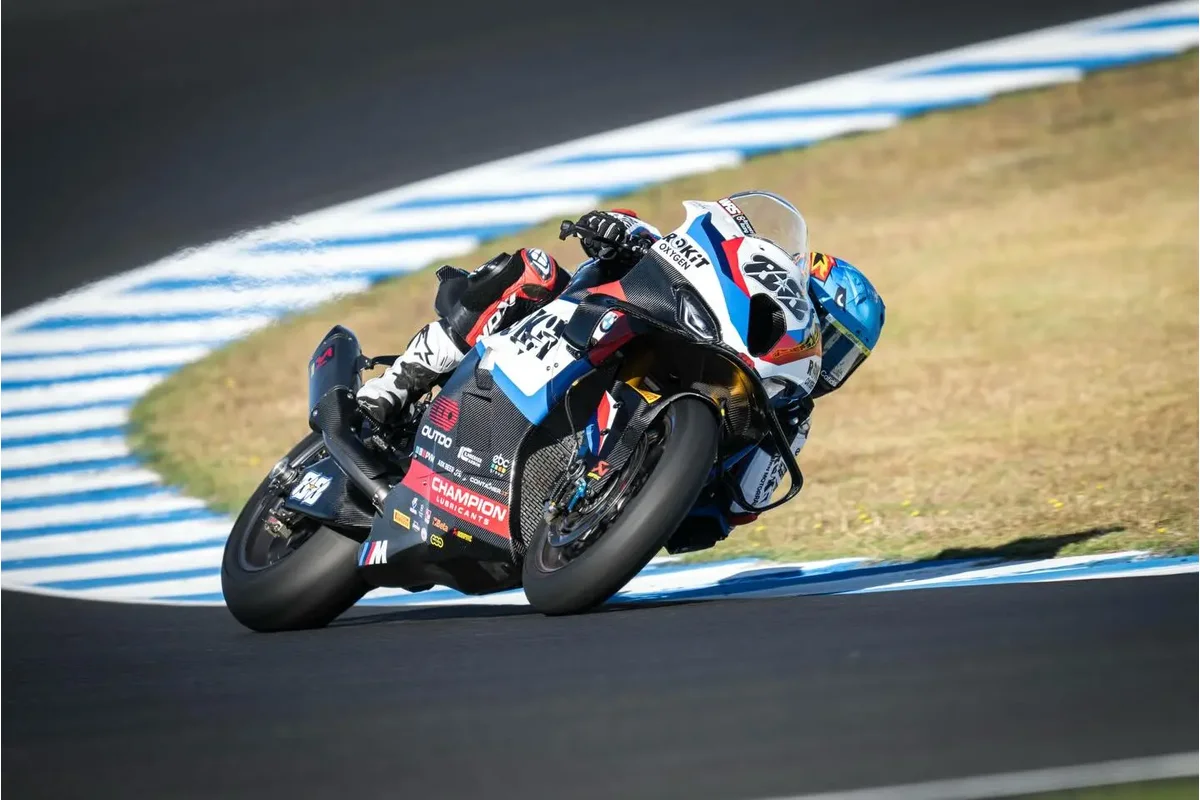
“It’s absolutely crazy to even think about, but I’m sure Dorna and the FIM are well aware of it. I believe they will adapt and do everything possible to ensure that MotoGP can race on a safe track. I believe that ensuring the safety of their riders is the number one priority.”
— Miguel Oliveira, MotoGP Rider
Adelaide’s Potential as a Night Race to Attract International Fans
Discussions are underway to possibly hold the street race in Adelaide under night conditions, aiming to accommodate European viewers and enhance global broadcast appeal. This consideration reflects MotoGP’s effort to modernize the race calendar and explore innovative event formats, although it adds complexity to race preparation and safety management. The move to a city circuit and potential night race highlight ongoing shifts in how MotoGP balances tradition with commercial and fan engagement goals.
Miguel Oliveira and Jack Miller Share Perspectives on the Transition
Oliveira’s former teammate, Jack Miller, welcomed the switch to Adelaide, calling it “amazing news” for the sport’s development. Conversely, Oliveira remains cautious, stressing the heritage tied to Phillip Island while expressing openness to embracing new experiences within the sport’s evolution. He underscored the tension between preserving the sport’s historic venues and adapting to changing audience dynamics, which are increasingly focused on urban access and modern entertainment formats.
“Change is sometimes difficult to accept and fight against. I love coming to Phillip Island and, obviously, I’d love to continue racing here, but embracing a new type of circuit is always nice to.”
— Miguel Oliveira, MotoGP Rider
Oliveira also reflected on Liberty Media’s acquisition of MotoGP and its efforts to increase motorsport’s accessibility to a broader audience. He noted that while cars fit more naturally into urban environments, motorcycles present unique challenges, yet the possibility of a safe and exciting city race remains promising if regulations are met.
What the Move to a Street Circuit Means for MotoGP’s Future
Shifting the Australian Grand Prix to a street circuit in Adelaide signals a significant change in MotoGP’s approach to race venues. It aligns with a trend toward expanding the sport’s reach by bringing events closer to large populations and creating innovative viewing experiences, such as night racing. While this move may unsettle traditionalists, it promises to engage new fans and potentially unlock fresh commercial opportunities for the series.
The success of this transition will hinge on the ability of MotoGP’s organizers, including Dorna, the FIM, and local authorities, to uphold strict safety standards and race conditions that respect the unique demands of motorcycle racing. Ultimately, Oliveira’s candid reflections underscore both the excitement and risks that come with pioneering a new chapter in the sport’s history.
