
During the Straight Talk Wireless 500 at Phoenix Raceway on Sunday, Joey Logano caused a major accident by turning Ross Chastain during a late-race restart, sparking a large wreck. This incident has raised questions among NASCAR insiders about inconsistent reactions when comparing veterans like Logano to younger drivers. The discussion centers on why Logano’s involvement in the crash did not provoke the same backlash a less established driver might face.
Experts Point to Bias in How NASCAR Treats Veteran and Rookie Drivers
With 96 laps remaining, Logano’s rear-end collision with Chastain set off a chain reaction of crashes, attracting some media attention but notably less criticism than similar behavior from rising drivers would garner. NASCAR commentators Jeff Gluck and Jordan Bianchi addressed this disparity on their podcast, The Teardown, emphasizing the uneven standards that exist within the sport.
Gluck invited listeners to imagine if the contact had involved Carson Hocevar, a young and increasingly prominent driver.
Imagine if that had been Hocevar,
Jeff Gluck stated, highlighting the stark difference in public perception.
Bianchi echoed the sentiment, pointing out how fan and media reactions to Hocevar often become disproportionately intense.
I thought the same exact thing,
Jordan Bianchi said.
You know how much up in arms people would have been? It would dominate. The number one news story. ‘Hurricane Hocevar is out of control.’ It would be like the Ross Chastain conversation from years ago.
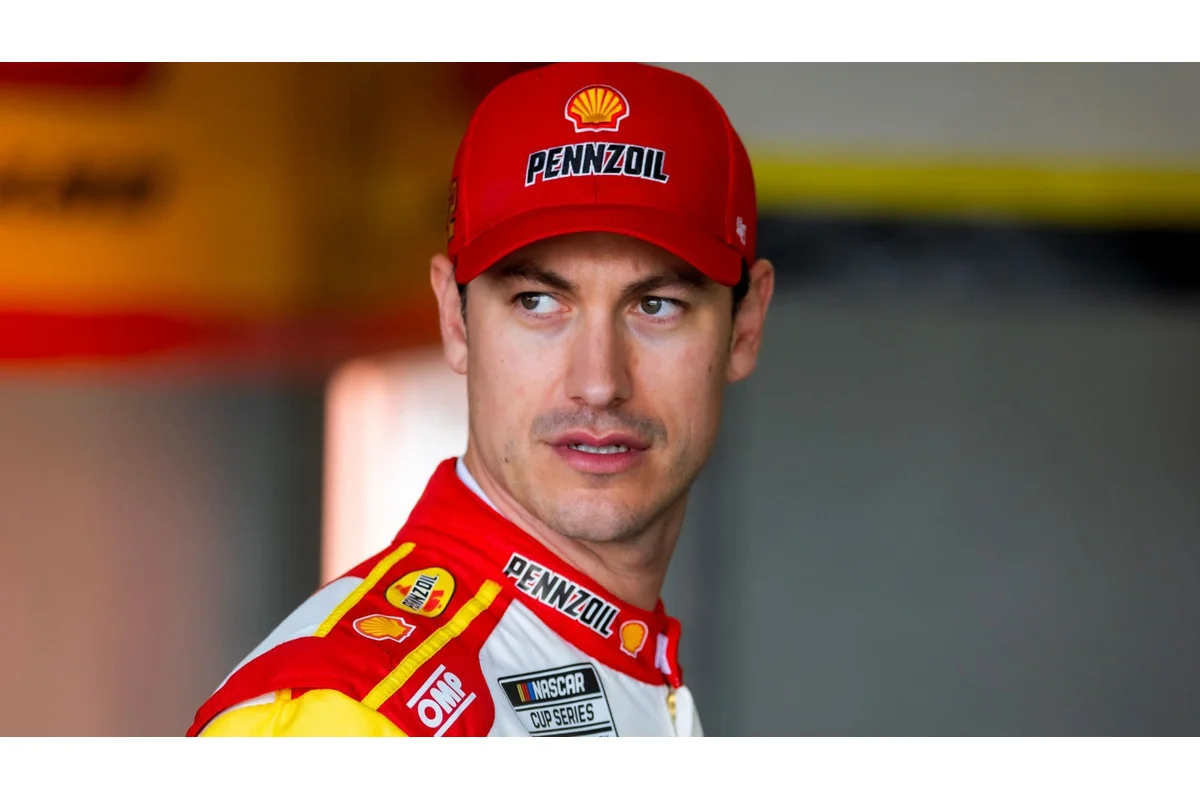
The message was clear: younger drivers are frequently scrutinized more harshly than seasoned veterans when involved in similar incidents.
Calls for Consistency Amid Criticism Toward Younger Drivers
Gluck emphasized the need for uniformity in how fans and commentators judge aggressive moves on the track.
I just want the people that are mad at him to keep that energy or not,
Gluck remarked.
Just show some consistency here. That was not a good moment for Logano. But I don’t think it was malicious or intentional in any way. He was just trying to get a spot on a restart.
He also noted that Logano’s history shows such incidents aren’t typical for him, which matters when assessing intent and character.
Meanwhile, Hocevar’s reputation for aggressive driving might partially result from media framing and fan perceptions rather than an actual pattern of consistent misbehavior.
Historical Context Highlights Recurring Patterns in NASCAR
Bianchi placed the current debate within a historical lens, reminding listeners that aggressive behavior and media criticism toward young drivers have long been part of NASCAR culture.
There’s a bit of a double standard when it comes to Carson Hocevar,
Bianchi observed.
The same thing happened with Chastain. Same thing happened with Brad Keselowski back in the day. Same thing happened with Logano. You had Kevin Harvicks of the world upset with Joey Logano. And I recall many instances when Kevin Harvick, as a young driver, the shoe was on the other foot.
This perspective suggests that seasoned drivers who criticize newcomers were often once in the same position, subjected to similar criticism themselves.
Experience and Track Records Influence Responses to On-Track Incidents
Logano, a three-time Cup Series champion, receives greater leniency thanks to his established success, while Hocevar’s lack of a Cup-level win contributes to heightened scrutiny. However, many insiders question whether this distinction should affect treatment after comparable crashes.
Complicating the narrative, Logano later became involved in a separate incident after contact with AJ Allmendinger, ultimately ending his race prematurely. This full circle moment underscores the unpredictable nature of racing but also highlights the broader debate about accountability and bias.
Implications for NASCAR’s Future Approach to Racing Discipline
The incident at Phoenix Raceway sheds light on how NASCAR’s culture and media narratives may perpetuate inconsistent standards between veteran and rookie drivers. As the sport continues to evolve, the call for fair and equal treatment of competitors regardless of experience might influence future coverage and official responses to on-track incidents.
Understanding these dynamics is important not only for drivers but also for fans and commentators aiming to engage in balanced discussions about NASCAR competition and sportsmanship.
