
Natalie Decker, a NASCAR driver known for her lively personality, recently confronted criticism related to a promotional stunt during the O’Reilly Auto Parts season-opener in Daytona. The event, held in early 2026, saw Decker drawing attention not only for her race but for removing the upper part of her firesuit to pose shirtless alongside comedian Bert Kreischer to promote her sponsor, T.N. Dickinson. This sparked backlash from fellow women racers who labeled the act inappropriate and disrespectful to NASCAR’s image, prompting Decker to address the controversy directly.
Decker explained,
“They were saying it was inappropriate that I had my shirt off with Bert. And that it’s a disgrace to NASCAR and women in NASCAR,”
establishing the core of the dispute. She pointed out the hypocrisy in their criticism by noting,
“But the girl that was talking about it and like, saying these things, was saying the F word every other sentence. Tattoos, face piercings, all of them are okay. I don’t care that she has those things; I don’t care that she swears.”
Details Behind the Publicity Stunt and Backlash
Driving the No. 35 Chevrolet for Joey Gase Motorsports, Decker’s approach reflected a casual and playful attempt to highlight her sponsor. Before the race began, she made the bold move on the fan deck, lifting her firesuit top while smiling next to Bert Kreischer, which she shared on social media highlighting her sponsorship.
However, this lighthearted act was met with criticism from some women drivers within the NASCAR and ARCA circuits. Taylor Reimer of Pinnacle Racing Group voiced concerns over the responsibilities tied to publicity acts, while Jade Avedisian, a Toyota Racing Development competitor involved both in ARCA and the ASA STARS National Tour, also expressed disapproval. Karsyn Elledge, a dirt racer and niece of legendary driver Dale Earnhardt Jr., joined the dissenting voices, questioning the appropriateness of such promotional tactics.
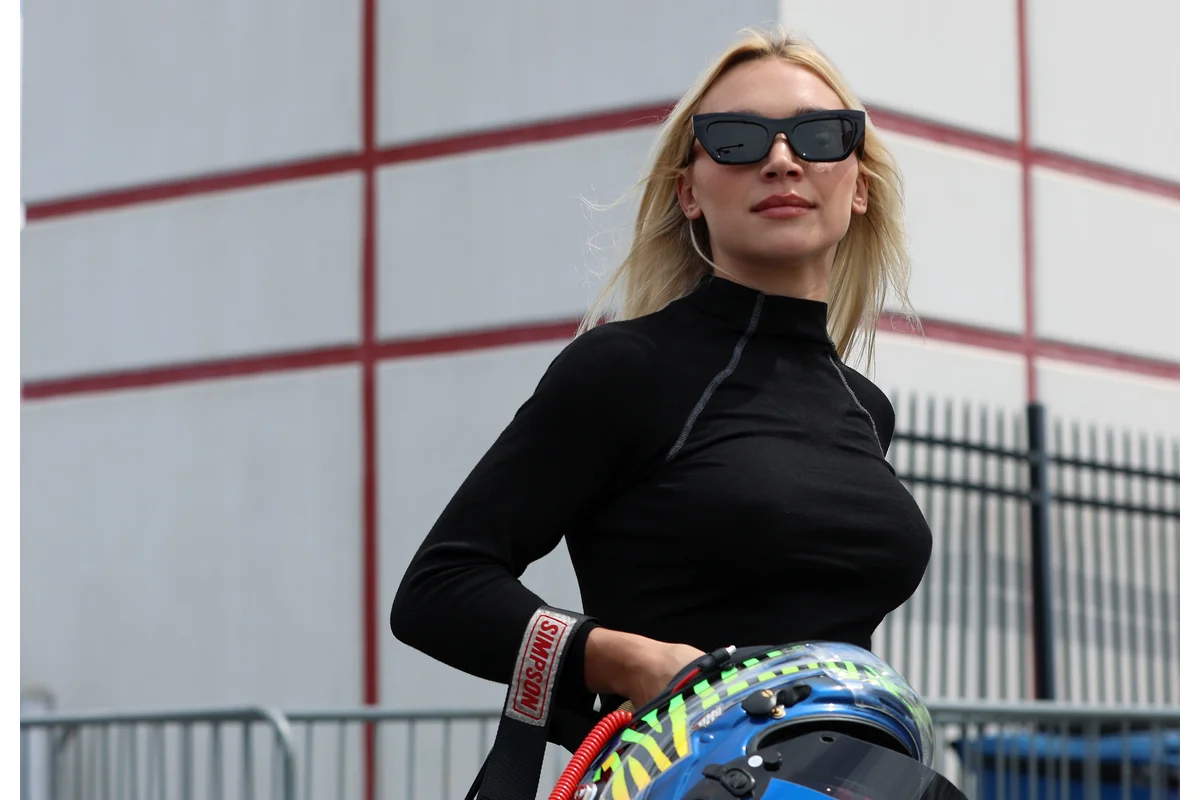
In response, Decker firmly defended her choice, drawing attention to the personal freedoms of expression held by all drivers. She stated,
“If you’re gonna talk about someone being classy, and that it’s bad that they’re not classy, like maybe be a little classy yourself, then. Like, I’ve never once been like, ‘I’m the classiest lady out there.’ I know that’s not me and my personality. I am very bubbly, I am outgoing. I say what I want to say, and I like to feel hot and wear hot clothes. And take my shirt off when I see Bert. So, I never once called myself classy.”
Veteran’s Support Highlights Divided Opinions in NASCAR
The controversy around Natalie Decker’s actions has divided opinions across the NASCAR community. Notably, Kenny Wallace, a respected nine-time NASCAR Xfinity Series winner and supporter of women drivers, stepped up to defend her. Wallace emphasized that the backlash was excessive, especially given the pressures and challenges faced during the race itself, where Decker collided with competitor Sam Mayer and ultimately finished 33rd.
Wallace’s defense included heartfelt advice:
“Natalie, you’re going to watch this. As my momma would say, this too shall soon pass,”
appealing for resilience. He recalled previous encounters with Decker, saying,
“Dust it off and go to Pocono, your next sponsored race. I remember racing you at Marshall Town, and I remember you running 15th, something like that, at Daytona.”
He further criticized the critics:
“Shame on all of you. You know, that’s a human being, right? And you know, when she was on her radio, she wasn’t talking to you; she was talking to her team. And as far as pulling her firesuit down, I’m sure she had to take it back; she would. But like I said, if it would have been October for breast cancer awareness month, it would have been just fine.”
The Broader Implications for NASCAR’s Public Image and Future
Natalie Decker’s situation underscores ongoing tensions within NASCAR about professionalism, promotion, and personal expression. While the sport depends heavily on sponsorship visibility, the boundaries between marketing and decorum remain contested, especially amongst women drivers striving to balance representation and personal image. Decker’s willingness to push the envelope highlights different perspectives on how NASCAR’s culture should evolve in an era where social media exposure and brand promotion are vital.
As the NASCAR season progresses, the debate sparked by Decker’s actions may influence how drivers navigate sponsorship engagements and public perception. Whether this episode will lead to more open acceptance of diverse personalities or encourage stricter norms remains to be seen, but it certainly has sparked a focused conversation on identity, respect, and promotional responsibility within the racing community.
