
Oscar Piastri‘s hopes for an F1 championship came under scrutiny during the 2025 season, as speculation about possible McLaren bias surfaced in the wake of Lando Norris‘s hard-fought victory. The question of impartiality has sparked intense debate, with Oscar Piastri F1 championship bias becoming a central focus among fans and analysts.
Rumors of Unequal Treatment Amid a Challenging Season
The 2025 Formula 1 season became a dramatic stage for both Lando Norris and Oscar Piastri, representing McLaren as top contenders for the crown. Throughout the year, the competition between the two drivers remained fierce, with the duo often separated by only fractions of a second. However, as the season approached its climax, Norris seized momentum and ultimately clinched his first championship, fending off a persistent challenge from Max Verstappen.
While McLaren’s management maintained throughout the campaign that both drivers received identical resources and backing, speculation about possible internal bias gained traction. Marcin Budkowski, who previously held the role of executive director at Alpine, raised alarms by suggesting the possibility that Norris benefitted—perhaps unconsciously—from team favoritism as the season unfolded. This revelation reignited debates about fairness and equality within one of the sport’s most storied teams.
Tough Questions Surround McLaren’s Strategy and Team Dynamics
The emergence of these allegations has led many within the Formula 1 community to question whether McLaren’s actions—intentional or not—affected the ultimate outcome of the championship. The core issue centers on whether Oscar Piastri was afforded the same support and opportunities as his teammate. With Norris celebrating his title, some fans and experts are left to wonder if the competition was conducted on truly equal footing.
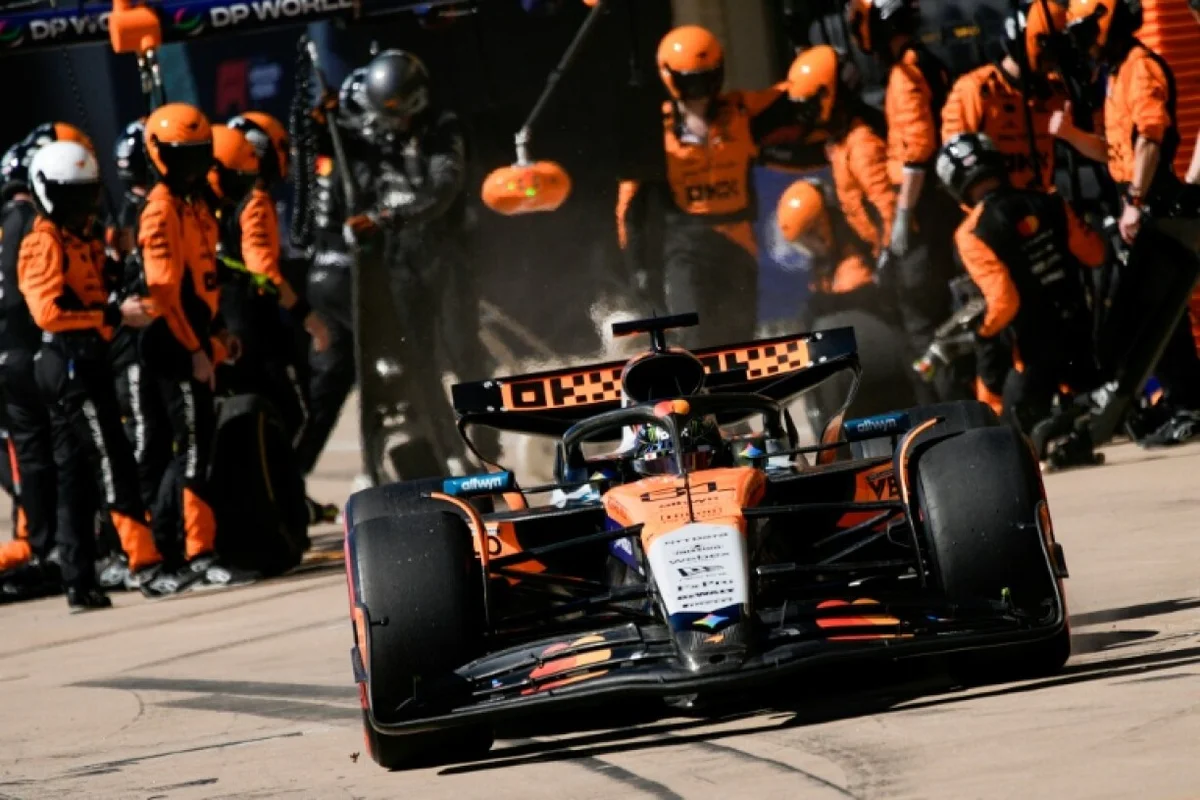
As fresh discussions take hold, the F1 community is increasingly vocal about concerns surrounding fairness, transparency, and trust in team operations. Comparing Piastri’s performance and treatment with that of Norris has led to widespread speculation over strategic decisions, resource allocation, and the impact these could have on a driver’s championship campaign.
Perspectives from the Wider Racing World
Commentators and fans are now drawing in comparisons from other parts of the motorsports landscape. Fernando Alonso, a recognized F1 champion, recently offered his own candid take on the sport’s evolution with his views that modern cars have lost some of their enjoyment for drivers. While not directly referencing the McLaren situation, his thoughts have added fresh context to the broader debate about Formula 1’s ongoing transformation.
Elsewhere, questions about competitive parity extend to other teams and seasons. The risks and gambles taken by Alpine for the 2026 Formula 1 season, as well as bold claims from Alex Palou regarding Max Verstappen’s dominance, highlight the ever-present tension between innovation and maintaining a level playing field in racing.
What the Future Holds for F1 Competition
The Oscar Piastri F1 championship bias debate has underscored a fundamental issue in motorsports: the need for upholding integrity and competitiveness in team strategies. The implications for McLaren and the sport at large linger, especially as Formula 1 readies itself for major rule changes in 2026. These regulations will introduce features such as movable wings and hybrid systems powered entirely by renewable energy sources, promising to alter the competitive balance once again.
As the community awaits answers and possible further investigation into McLaren’s 2025 campaign, focus also shifts to how teams will adapt to the fast-approaching era of sustainability and technological evolution. With new battles and storylines on the horizon, future seasons seem poised to deliver even more excitement—and scrutiny—than ever before in the world of Formula 1.
