
Oscar Piastri, McLaren’s Australian driver, faced an unexpected fuel system issue that restricted his running on the second-to-last day of the 2026 Formula 1 pre-season testing in Barcelona. Despite the setback, Piastri remains optimistic about adapting to the significant technical changes in the new cars for the upcoming season.
Early Testing Challenges for Piastri’s First Run in McLaren’s 2026 Car
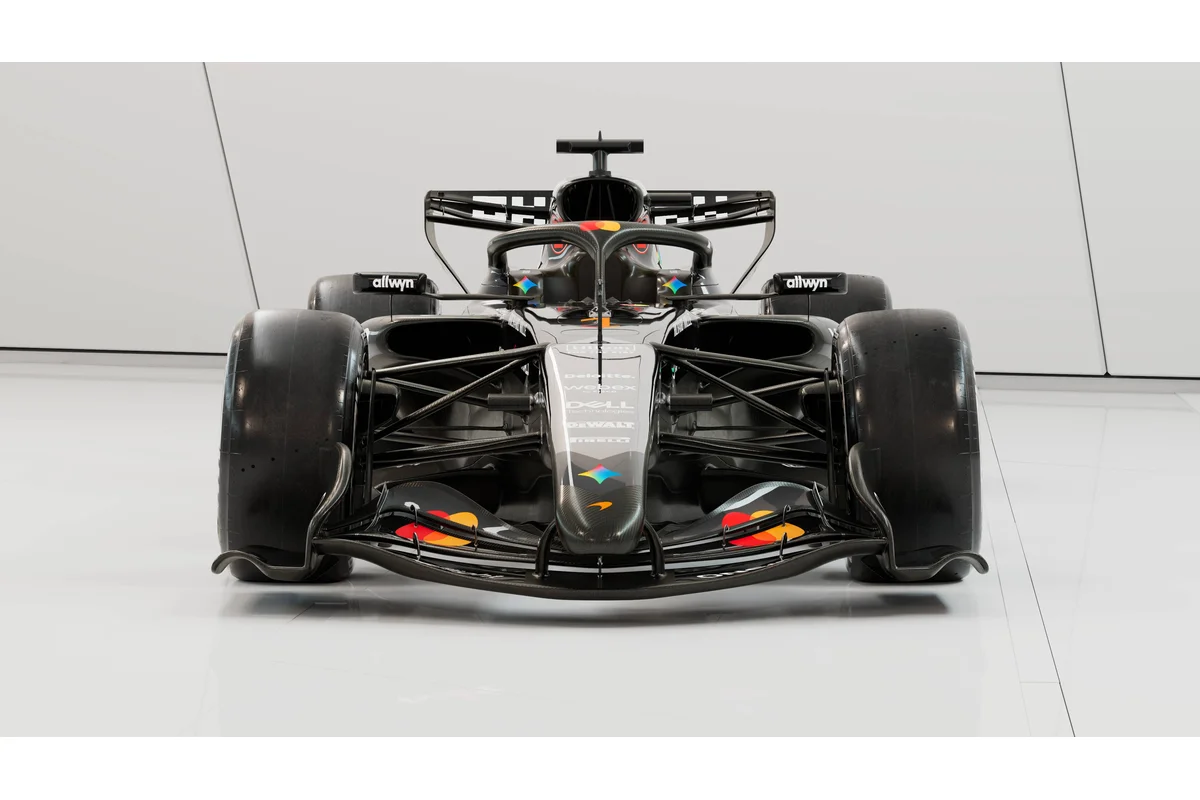
McLaren’s MCL40 car was introduced to the track on the third day of pre-season testing in Barcelona, driven first by Lando Norris, the reigning F1 world champion. Norris completed 76 laps and secured the third-fastest time before handing over to Piastri for his debut on the new car. However, Piastri was limited to only 48 laps due to technical difficulties experienced during his session.
Piastri acknowledged the challenges, telling Formula 1,
“We had a fuel systems issue, which cut our day a bit short, but I know the team’s working really hard to get that fixed and get us back out for as many laps as we can tomorrow.”
This statement reflected the team’s quick response to the problem and their focus on maximizing their time on the track.
Insights from Piastri on Adjusting to the 2026 F1 Cars
The 2026 season introduces substantial changes, including a complete overhaul of chassis and engine regulations. Piastri highlighted the learning curve involved, explaining that each car is “completely different” from the past few years, requiring adjustments in both driving and car setup.
He expressed enthusiasm about the opportunities these changes present, stating,
“There’s a lot of areas where you can be a point of difference and make a point of difference now, which is exciting. You’ve got to put in the hard work to make that happen.”
Although he admitted to facing “a lot of challenges,” Piastri viewed the testing period as essential for ironing out issues and enhancing performance.
He further remarked,
“There’s going to be some aspects of these cars that we’ve never really had to do before in our careers, so there’s plenty of plenty of lessons to be learned.”
This comment underscores the unfamiliar territory drivers are navigating with new technology and regulations.
When asked about his goals for the remaining testing days, Piastri said,
“Just trying to get a better feel for what the car is like. There’s such a big departure from what we’ve had the last few years.”
He emphasized the need to understand the different engine philosophies and reduced levels of downforce, which heavily influence the car’s behavior.
“It’s always the aim” to find a setup that feels good and is quick, according to Piastri, highlighting his focus on balancing comfort and performance as the team develops the MCL40.
Technical Assessment and Team Response from McLaren
Mark Temple, McLaren’s technical director of performance, provided an update after Thursday’s session, confirming that the team has not encountered any major surprises with their 2026 car so far. He explained,
“Second day on track with positives to take away. We’ve got a good understanding of where the car is from a baseline point of view.”
Temple stressed the importance of driver experience during these initial tests, saying,
“In this shakedown, the most important aspect for drivers is that they understand how the new car operates, how the power unit interacts and the process of energy management.”
He affirmed that Piastri now has useful reference points for both chassis handling and power unit behavior.
Regarding the fuel system issue, Temple noted,
“The car is very complex, so we decided to bring the car back into the garage and strip it down to fully understand where the problem is coming from ahead of tomorrow’s running.”
While it was disappointing to lose track time in the afternoon, the team prioritized fixing the issue thoroughly before returning to the circuit.
“It’s just about learning and getting to know it,”
Temple added, recognizing the importance of this shakedown test as a process to detect weaknesses before the official start of the season in Bahrain. The team is keen to use the remaining testing time to refine and tune the car further.
Context of Testing and Implications for the 2026 F1 Season
McLaren’s 2026 testing in Barcelona comes amid major regulatory changes impacting all teams, including new engine formats and altered aerodynamic philosophies that drastically reduce downforce. Drivers like Piastri and Norris are adjusting to these shifts, which promise a different style of racing and performance dynamics this season.
George Russell, driving for Mercedes, set the fastest unofficial time during testing, narrowly outpacing Piastri and other top contenders. This performance benchmark sets a competitive tone for the teams as they race to optimize their cars ahead of the season opener in Bahrain.
McLaren’s cautious yet hopeful approach, reflected in the calm handling of their fuel system issue and the targeted work toward improvements, illustrates the intense preparation underway across the grid. The team’s efforts during the pre-season will be crucial in ensuring reliability and pace when official racing begins.
As testing continues, the insights gained from the Barcelona sessions will help McLaren and its drivers better understand the MCL40 and the broader challenges of the 2026 regulations. Success in managing these technical hurdles could prove decisive in their efforts to compete at the front of the field this year.
