
Pierre Gasly has brought new attention to Pierre Gasly health concerns tied to Formula 1‘s ground effect era, warning of the severe physical impact drivers faced between 2022 and 2025. His remarks arrive as the sport prepares for sweeping regulation changes, aiming to protect competitors as F1 races into its next chapter.
Drivers Confront Safety Issues Amid Ground Effect Challenges
The period from 2022 to 2025 in Formula 1, while marked by Max Verstappen‘s dominant run of three world championships, was also characterized by unprecedented scrutiny of driver well-being. During this time, the introduction of ground effect cars—vehicles engineered for enhanced downforce by staying close to the track surface—brought about the notorious problem of porpoising. Violent bouncing along straight sections caused significant physical discomfort for drivers, most notably affecting their backs.
This phenomenon was particularly pronounced in 2022, when several drivers, including the experienced Lewis Hamilton, openly described the physical toll they endured. At the Azerbaijan Grand Prix, Hamilton revealed how the relentless shocks to his back made him hope for the race‘s end, illustrating the severity of the issue.
Amid ongoing discussions about car safety and design, Pierre Gasly used the Abu Dhabi Grand Prix as a platform to voice drivers’ shared concerns.
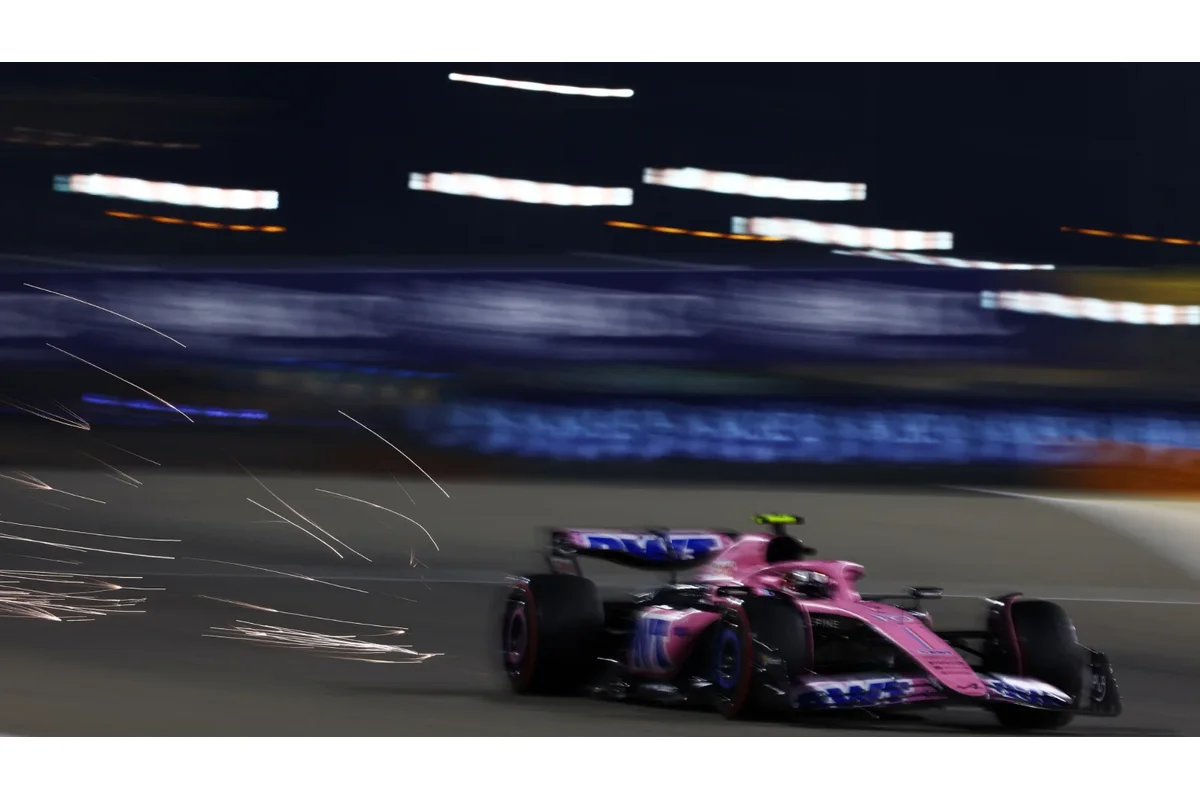
“The one thing we haven’t really been too happy as drivers is just the amount of bouncing,”
he said—Pierre Gasly, Alpine F1 Driver. He further described the collective sentiment in the paddock, adding,
“I think we all agree that it’s been rough. It’s not sustainable over a full career, so I think that’s a good thing, that they sort of moved away from it.”
—Pierre Gasly, Alpine F1 Driver.
Rule Changes Aim to Ease Physical Toll on Competitors
The Formula 1 community, including fans and critics, is now focused on whether the upcoming generation of race cars will avoid the painful missteps of their predecessors. Engineers and teams have responded by shifting design priorities. Future vehicles are expected to feature greater ride heights and numerous aerodynamic modifications designed to minimize porpoising—effectively safeguarding athletes from chronic injuries over long careers.
Among the most anticipated changes is a wholesale redesign of the cars slated for the 2026 season. F1 cars will be notably lighter by 30 kilograms, with wheelbases shortened by 20 centimeters and overall width trimmed by 10 centimeters. The maximum width of the car’s floor will decline by 15 centimeters, and both front and rear tire widths will be narrowed. These chassis adjustments coincide with major modifications to the wings; the narrower front wing will integrate a dual-element active flap, while the rear wing will shift to a triple-element layout, and the lower beam wing will be removed—steps intended to cut down on turbulent ‘dirty air’ that limits overtaking.
Innovative Aerodynamics Target Improved Racing and Health
The forthcoming cars will also employ dual aerodynamic modes—straight mode and corner mode—enabling optimized performance for top speed or sharper cornering, according to specific sections of the track. These innovations are expected to deliver not only more exhilarating battles on race day, but also much-needed protection for drivers, directly addressing issues highlighted by outspoken athletes like Pierre Gasly and Lewis Hamilton.
As Formula 1 enters this transformative era, the balance between thrilling competition and protecting the physical health of its drivers remains a priority. With prominent figures from Arvid Lindblad and rookie talents to veteran stars such as Oliver Bearman and Max Verstappen all poised for action, the sport’s governing bodies are under pressure to ensure that these regulatory changes deliver tangible safety benefits. Whether these innovations can foster a more secure and competitive championship remains to be seen, but fans and stakeholders worldwide are keenly anticipating how the sport will evolve in the wake of Pierre Gasly’s health concerns.
