
Laurent Mekies, Red Bull Racing’s sporting director, has firmly dismissed any worries about Max Verstappen potentially leaving Formula 1 due to the significant technical rule changes set for 2026. Despite Verstappen’s vocal frustrations with the new regulations, Mekies emphasized that the team holds no fears regarding their star driver’s future in the sport.
Formula 1 is entering a new era with the 2026 season embracing major transformations, including 50% electrification, fully sustainable fuels, and advanced active aerodynamic systems, radically altering the way cars are engineered and raced.
Verstappen Voicing Concerns over New Formula 1 Directions
Max Verstappen has been notably critical of the sport’s evolving technical landscape, expressing strong doubts since 2023 about the direction Formula 1 is taking. Recently, during the second pre-season testing in Bahrain, the four-time world champion described the incoming 2026 cars as “anti-racing” and compared the revamped series to “Formula E on steroids.”
Highlighting his unease, Verstappen has hinted that these changes might push him to explore interests beyond F1, stating he is
“exploring other things outside of Formula 1 to have fun at.”
Such remarks have fueled speculation about his long-term involvement as the sport shifts toward greater electrification and sustainability.
Understanding Verstappen’s Reservations About the 2026 Rules
At 28 years old, Verstappen has also engaged in endurance racing projects, including events at the Nürburgring last year, with plans for further activities outside F1 in 2026. These pursuits may indicate his desire to diversify his racing portfolio amid the ongoing regulatory shakeup.
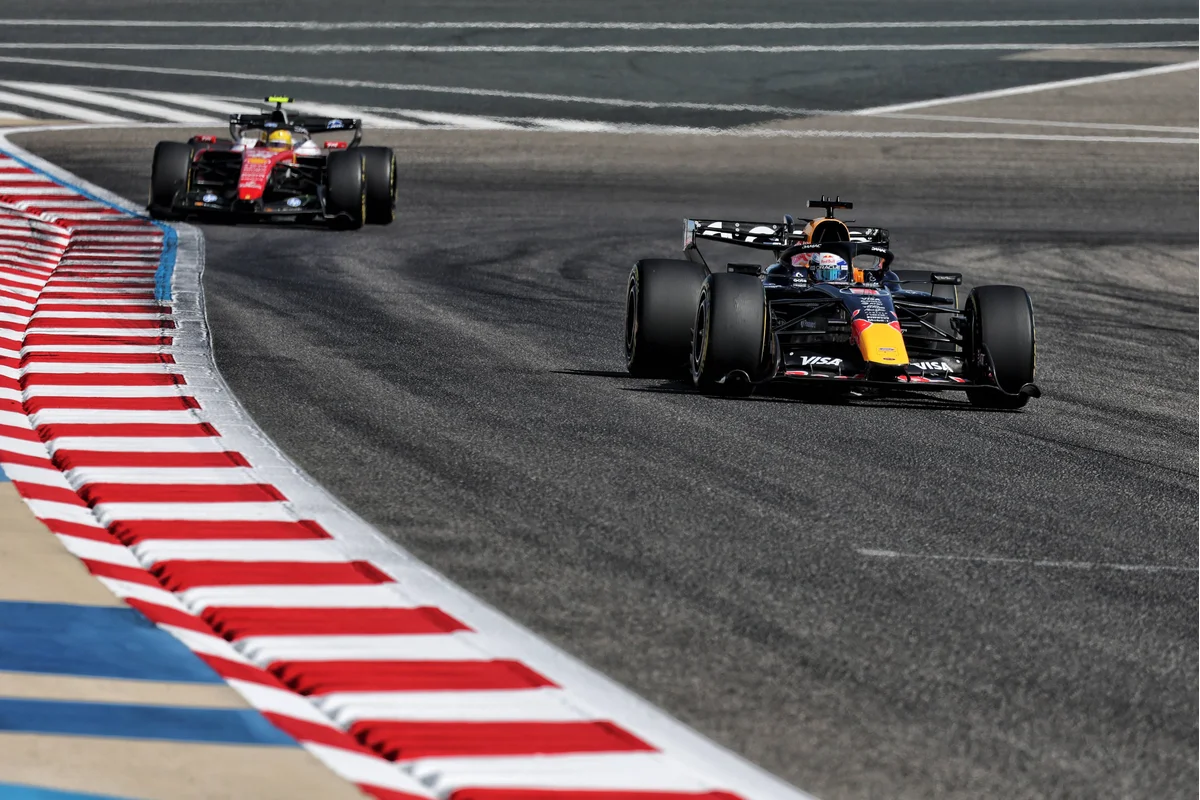
Nonetheless, Mekies remains unshaken by the possibility of Verstappen stepping back from Formula 1. He expressed confidence in Verstappen’s ability to adapt and excel within the new framework, suggesting that the driver’s skill set will make him a key asset in mastering the transformed cars.
Speaking to the media in Bahrain, Mekies said,
“The short answer is no. Zero concern about that.”
He recalled Verstappen’s initial focus on the 2025 car model simulator before shifting attention to the more drastically different 2026 car, acknowledging the enormous challenges involved. Mekies remarked,
“The challenge of these regulations are massive. They are massive for the teams, they are massive for the power unit manufacturers, they are massive for the drivers as well.”
He added,
“That’s what we will do with Max’s help and I’m quite confident that, as it will turn out, he will most likely become the best at mastering the new regs and technicalities and tricks as much as he was in the previous set of regulations.”
Verstappen Clarifies His Stance on Formula 1 and Formula E
Following his comparisons between Formula 1’s future and Formula E, Verstappen took the opportunity in Bahrain to elaborate on his position, especially regarding battery management. He conveyed concern over increasing similarities but stressed his desire to maintain Formula 1’s distinct identity.
Verstappen told the media,
“Let’s hope not. [This is] not about the drivers, because there are a lot of good drivers that would be able to perform really well here, but I don’t want us to be close to Formula E.”
He continued,
“I want us to actually stay away from that and be Formula 1. So don’t increase the battery, actually get rid of that and focus on a nice engine and have Formula E as Formula E, because that’s what they are about.”
On the upcoming season’s cars, Verstappen said,
“I’m sure that with the new car, from what I’ve seen and talked to some of my friends in there, that’s going to be also a really cool car,”
before emphasizing,
“But let them be Formula E. We should stay Formula 1 and let’s try not to mix that.”
What Verstappen’s Position Means for Formula 1’s Trajectory
The ongoing debate surrounding Formula 1’s evolution reflects a broader tension between preserving tradition and embracing innovation. Verstappen’s doubts underline the concerns of some within the paddock about how electrification and sustainability measures will impact racing spectacle and driver experience.
Despite these challenges, Red Bull’s unwavering confidence, voiced by Mekies, suggests the team believes Verstappen will remain at the forefront of adapting to the sport’s changing landscape. His talent for navigating technical complexities has been a hallmark of his career, and many expect him to continue to excel as F1 transitions into its new era.
As Formula 1 pushes towards the 2026 season, all eyes will be on how drivers like Verstappen adjust and how teams, power unit manufacturers, and the sport itself evolve with sweeping regulation shifts.
