
In a remarkable crossover of motorsport and military aviation, NASCAR driver Ryan Blaney once took in the Daytona 500 from the cockpit of a U.S. Air Force Thunderbird jet. This rare experience, which happened in 2017 at Daytona International Speedway, stands out as one of the most thrilling moments of Blaney’s career outside of racing, despite it leaving him physically ill. The Team Penske driver referred to it as his coolest non-racing memory and expressed a willingness to repeat the experience nearly a decade later.
The U.S. Air Force Thunderbirds perform an iconic Delta formation flyover each year just before the green flag signals the start of the Daytona 500. Blaney, then driving the No. 21 car for Wood Brothers Racing during his sophomore season, was invited to join the Thunderbirds during their practice sessions. Rookie driver Erik Jones also shared the opportunity. This exclusive ride gave Blaney a front-row seat to one of NASCAR’s most storied traditions.
Blaney’s Candid Account of the High-Altitude Flight
During a recent interview on SiriusXM NASCAR Radio, Blaney shared vivid details about his flight.
“That was the coolest experience I’ve ever been a part of. They were so amazing. Everybody who’s a part of the Thunderbirds, not only the pilots, but the mechanics, everybody who’s kind of coordinating traffic, like those folks are no joke. And I wish I could do it again. I want to do it again, now that I’m older, because I feel like you’d have an even more of an appreciation for it.” ?Ryan Blaney, NASCAR driver
Blaney highlighted the steep vertical climb as the most striking part of the flight. The jet launched off the runway with incredible speed, rapidly ascending to 10,000 feet.
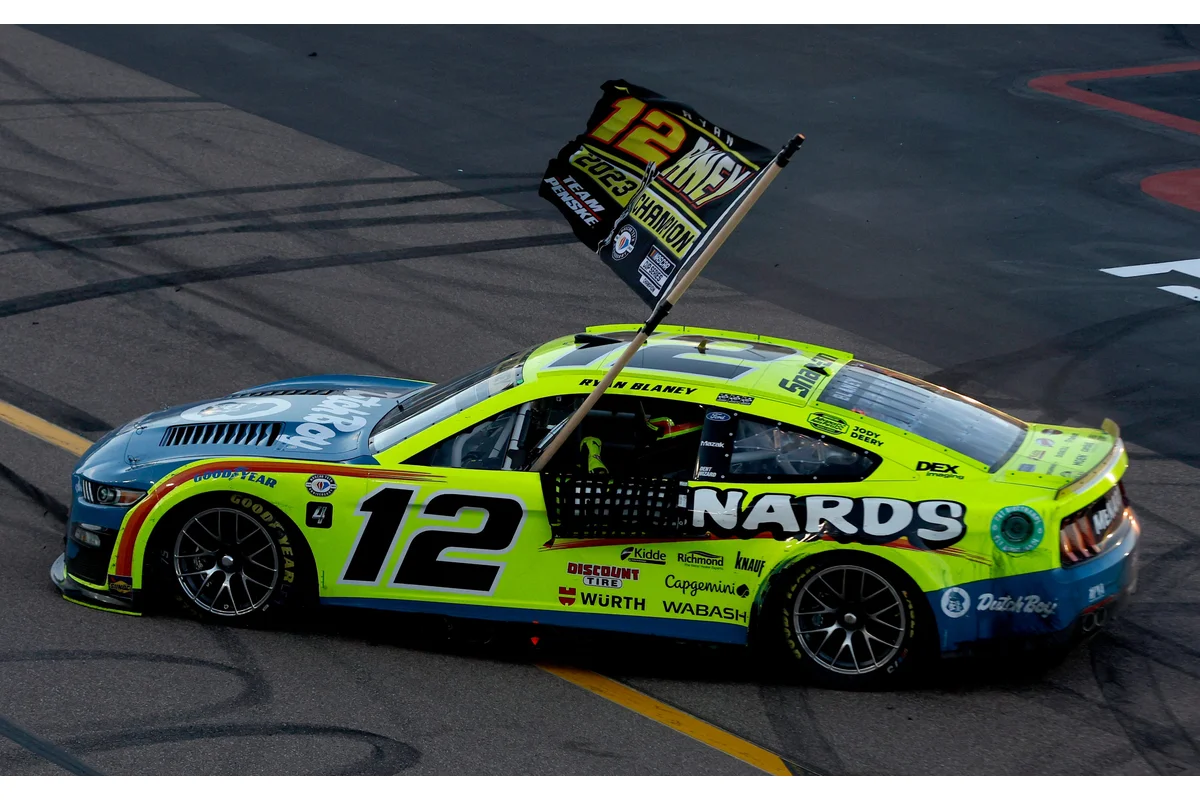
“The coolest part of what they do is they go is they go… straight to 10,000. So they pop off the runway and they go straight 90 to 10,000 feet. And you’re at 10,000 feet before you know it. And like seeing everything get very small in a very short amount of time is just unbelievable. I did get sick. I threw up, I’m not ashamed to say it.” ?Ryan Blaney, NASCAR driver
Blaney admitted the unexpected maneuvers by the pilot challenged his stomach despite his initial confidence.
“I threw up at the very end. I got to the bag, which was good. I didn’t ruin the cockpit or anything. But the pilot he asked me beforehand, he’s like, ‘hey, what do you want to do, what’s your comfort level?’ I was like, ‘Man, do whatever you want. I’m in it with you, whatever you want to do, I’m cool with it.’ And I was great the whole time. And then he did something unexpected I wasn’t really ready for. And I got hot, I got queasy, and I threw up,” he continued.” ?Ryan Blaney, NASCAR driver
Rather than feeling embarrassed, Blaney found humor and pride in his reaction to the ride’s intensity.
“But it was like a proud vomit. Like other vomit you had in your life is not proud. It’s either you overindulge in something or you’re sick and it’s a terrible vomit. This one was like I got to vomit at 30,000 feet in a Thunderbird. Like, that was that was good. I just I wish I had a better meal that morning because it didn’t taste very good coming up. But yeah, it was it was an unbelievable experience. I hope to get to do it again one day,” added Ryan Blaney.” ?Ryan Blaney, NASCAR driver
This 2017 experience remains a highlight in Blaney’s career and ties him closely to the racing venue’s rich traditions. Continuing this custom, newcomers like Cup rookie Connor Zilisch and John Hunter Nemechek took part in the Thunderbirds flight during Daytona 500 week of this year, ensuring the legacy remains alive.
Blaney’s Frustration with Fuel Strategy Affecting Superspeedway Racing
While Blaney’s memory of the Thunderbirds flight is clearly positive, his recent performance at the Daytona 500 was more frustrating. Throughout much of the race, he found himself trailing the leaders but unable to push forward due to fuel-saving tactics during the final stage. As the drivers managed their fuel reserves, Blaney, along with others, was forced into a cautious approach that limited aggressive racing.
After the race, Blaney criticized how these strategies, particularly those employed by Toyota drivers, affected the competitiveness of the event. He expressed his concerns during a SiriusXM interview.
“I know we’re working on that. We’re trying to figure out ways to fix it, and there’s been a lot of discussions with the teams and drivers on NASCAR of how do we go about this and how do we fix it. Unfortunately, it’s just part of the game. That’s what you have to do if everyone else is doing it.” ?Ryan Blaney, NASCAR driver
Although he anticipated the fuel conservation methods, Blaney voiced his desire for change, citing how the tactics diminish the racing experience.
“I want that to change. I hate that that’s a thing and a topic we talk about because it takes away from the racing aspect of it. At that point, we’re not really racing. It’s just people save riding in line and waiting for the green flag stop and you hope you save more than the others and executed more than the other guys around you. And I don’t know what a fix is,” he added.” ?Ryan Blaney, NASCAR driver
This stance has sparked debate among fans, many of whom have suggested removing stage racing to combat the issue. Meanwhile, NASCAR officials have indicated that no current solution fully addresses the problem of late-race fuel conservation. Blaney’s comments reveal the complex balance between race strategy and entertainment value, highlighting a challenge NASCAR continues to face on superspeedway tracks like Daytona.
https://twitter.com/SiriusXMNASCAR/status/2024496539477946503
https://twitter.com/SiriusXMNASCAR/status/2024177945158266955
