
During the recent Autotrader 400 at EchoPark Speedway in Atlanta, Ryan Blaney commented on Freddie Kraft’s crucial spotter call affecting Bubba Wallace’s near-win. The Ryan Blaney Atlanta decision became a focal point as Wallace’s team debated the split-second choices on the backstretch that altered the race outcome.
Bubba Wallace had a strong performance at the race, winning Stage 2 and finishing second in Stage 1. His car was considered the fastest when the event entered overtime, but a critical decision from spotter Freddie Kraft changed the momentum during the final laps. Kraft decided to instruct Wallace to move to the top lane, aiming to secure a push against competitor Carson Hocevar.
Analysis of Freddie Kraft’s Spotter Call and Its Effects
Kraft prioritized protecting Wallace’s right rear, a vital tactic on superspeedway settings. With two Toyota teammates trailing Wallace on the bottom lane, Kraft’s strategy was designed to prevent opponents from gaining control by getting to that vulnerable position. He explained,
“I was like, all right, if I just let them get our right rear, I don’t know that we’ll get them back,”
Kraft said.
“So I made that decision, told Bubba to move up, and then we just kind of got split on the backstretch, and that was the end of our race.”
Wallace’s attempt to block Hocevar forced him to drift high, causing a loss in momentum on the bottom line and leaving an opening for teammate Tyler Reddick, who eventually won the race. Kraft acknowledged the razor-thin margin separating victory from defeat at Atlanta, noting that although their car was a “missile,” the final call did not work in their favor.
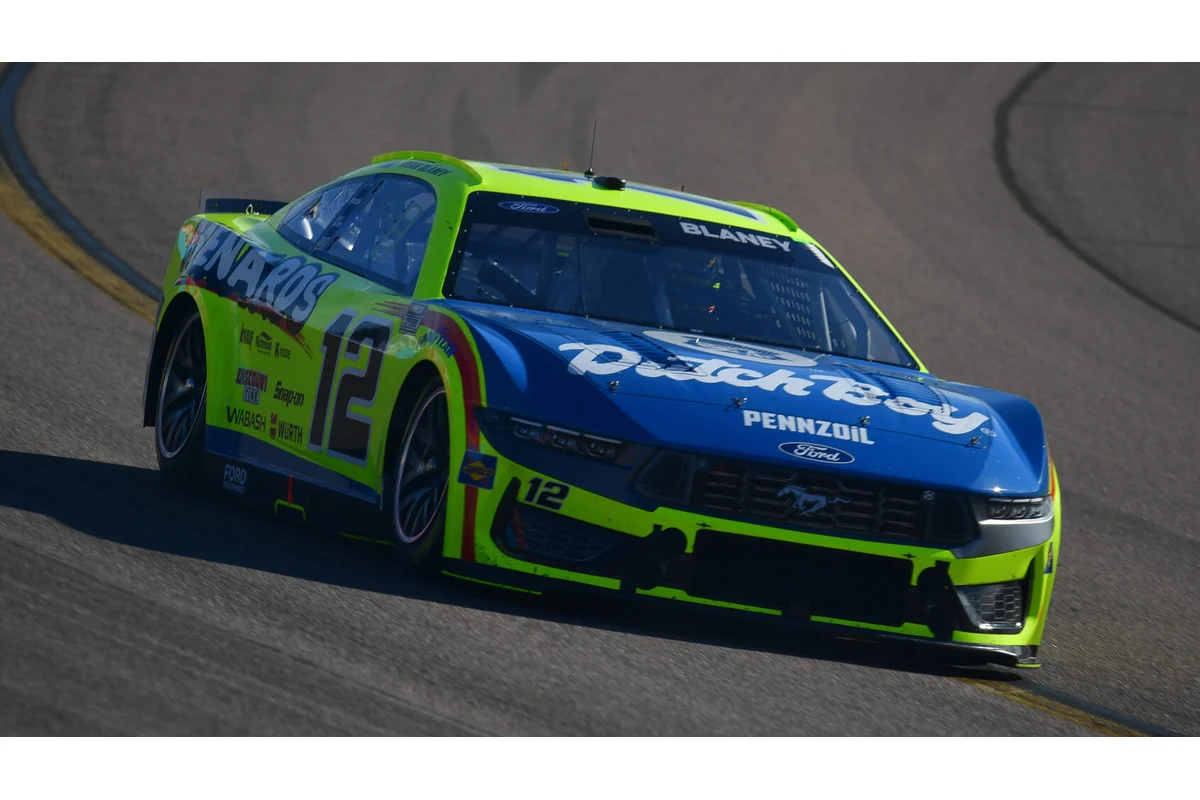
Ryan Blaney Provides Perspective on the Atlanta Challenge
Ryan Blaney, who has endured similar close calls at Atlanta, weighed in on the aftermath of Wallace and Kraft’s experience. He challenged the certainty some might have when second-guessing decisions made in the heat of the moment, stating,
“It’s so easy to look back and say we should have done this or that.”
Blaney explained the complexity during the backstretch, adding,
“The worst thing that can happen to you on the backstretch is you get clear. Because now you’ve got double decisions to make, honestly more, because there’s more than just two lanes.”
Blaney’s comments underscore the difficulty spotters and drivers face in making split-second tactical choices under intense race conditions, where multiple lanes and strategy options add pressure to every call.
The Emotional Weight of Being in Contention
Freddie Kraft’s remarks reflect both confidence in their performance and the disappointment of narrowly missing victory. He emphasized the strength of their car and the calculated nature of his decision, explaining,
“Our car, we should have won. I mean, our car was a missile yesterday. I felt like we were in the right spot. And just coming down to it there, obviously, I made the call to just try to get a little push from the top lane. Carson’s car was super fast also, and he was the one I was worried about there at the end.”
Despite the heartbreak, Kraft did not shy away from owning his role in the outcome, acknowledging that doubt is natural after such a close race.
“I don’t doubt it. I would, too, if I was him,”
Kraft said, highlighting the emotional toll that split-second decisions have, not only on spotters but on the entire team.
The Atlanta race once again illuminated how the smallest tactical moves can determine whether a team reaches Victory Lane or watches others claim it. As teams analyze the Ryan Blaney Atlanta decision and how it influenced Wallace’s race, this will remain a vivid example of the pressures faced by spotters and drivers at the highest level of NASCAR competition.
