
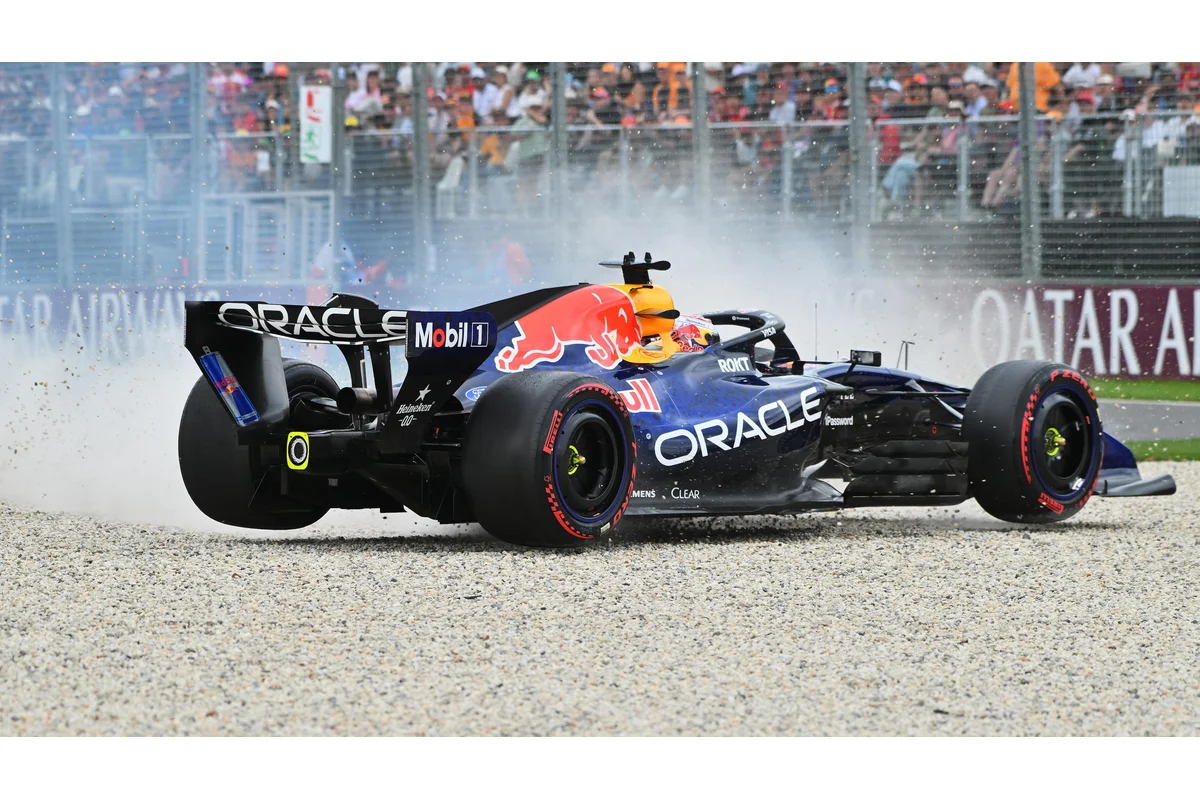
Max Verstappen experienced significant challenges with the new Formula 1 car introduced this season during the opening race at the Australian Grand Prix. The Red Bull driver, known for his competitive spirit, expressed deep frustration with how the new vehicle performed, describing it as “super-frustrating” to handle while competing in the midfield.
After an unexpected braking issue during his initial qualifying lap left him 20th on the grid, Verstappen managed to claw his way back to finish sixth. However, despite the recovery, he was clear that driving the new car did not bring the enjoyment he usually finds in racing.
Qualifying Setback and Race Recovery
Verstappen’s struggles began with a problem under braking for the first turn during qualifying, which resulted in a low starting position. This setback demanded an aggressive strategy to make up positions, especially as two drivers, Oscar Piastri and Nico Hulkenberg, did not start the race, allowing Verstappen to move up the field.
Throughout the race, Verstappen attempted to gain an advantage by starting on hard compound tires, while many of his rivals opted for medium compounds. Unfortunately, the hard tires did not perform as expected, leading to severe degradation that forced an additional pit stop, compromising his overall race pace.
Thank you guys, you guys all worked very hard for this,
Verstappen said over the team radio.
You’ve done a really good job. It’s super-frustrating to drive, but thank you.
Team Efforts and Overtake Challenges
Despite praising his team’s efforts to optimize race strategy, Verstappen was candid about the difficulties posed by the car and the competition. He highlighted how slower pace and traffic made overtaking feel like more of a necessity to clear other cars rather than genuine racing.
Of course the overtakes were fun but I’m also racing cars that are two seconds slower so for me it’s just clearing the traffic,
Verstappen told Sky.
It sounds maybe weird but it’s just how I see it – it’s not really a fair fight.
He also mentioned struggles with tire performance, saying the hard compound’s rapid graining limited his ability to maintain a consistent rhythm once he had moved through midfield traffic.
I just tried to go through as clean as possible and try to get into my rhythm at one point when I cleared the midfield. But we had too much deg[radation]. We were just really graining a lot on the tyres and that then compromised a lot of the rest of the race. We thought with the hard compound that it would be better today for us, but unfortunately that compound somehow didn’t work today.
Context from Other Drivers and Performance Overview
Lando Norris, who finished ahead of Verstappen in fifth, complimented Ferrari’s superior car, particularly noting their exceptional cornering speeds. The performance gap and handling difficulties highlight the ongoing adaptation challenges teams and drivers face with the new regulations.
The introduction of these new Formula 1 cars has sparked debate about the quality of racing, as drivers like Verstappen suggest the experience feels less competitive and more focused on managing car limitations rather than pure driving skill.
Implications for the Season Ahead
Verstappen’s comments emphasize the broader frustration felt by top contenders regarding the new car designs. As teams continue to work on setups and strategies, the performance discrepancies and challenges with tire degradation will likely remain a focus. How quickly Red Bull and other teams can adapt may influence championship prospects throughout the season.
The Australian Grand Prix has set the tone for ongoing discussions around the future of Formula 1 racing dynamics, with drivers and fans awaiting improvements that might restore more closely matched competition and driving satisfaction under the new regulations.
