
Four-time Formula 1 world champion Max Verstappen expressed renewed frustration with the sport’s new technical regulations for 2026 following his impressive performance at the Australian Grand Prix, where he advanced from 20th to sixth place. Despite the impressive drive, Verstappen’s discontent highlights growing unease among drivers about the direction Formula 1’s power unit changes are taking, especially concerning the balance between combustion engines and electric motors.
Concerns About New Hybrid Power Units and Driving Experience
The 2026 regulations introduce a new turbo-hybrid power unit configuration, equally splitting power output between a V6 internal combustion engine and an electric motor-generator. Verstappen, who first tested the updated Red Bull car during preseason, has repeatedly criticized this technical shift, calling the new cars anti-racing and comparing them to Formula E on steroids. His criticism centers on the extensive management of electric energy during laps, which he believes detracts significantly from authentic racing enjoyment.
After qualifying in Australia, Verstappen openly stated that he was not enjoying driving under the new rules and maintained his negative view even after the race weekend, offering a blunt “Yep” when asked if his opinion had changed.
Verstappen Urges FIA and F1 Management to Address Driver Concerns
With a Red Bull contract through 2028, Verstappen has hinted at the possibility of leaving the sport if the regulations continue to dampen his passion for racing. Following the Australian GP, he called on Formula 1’s officials and the FIA to seriously heed the issues raised by competitors and make changes.
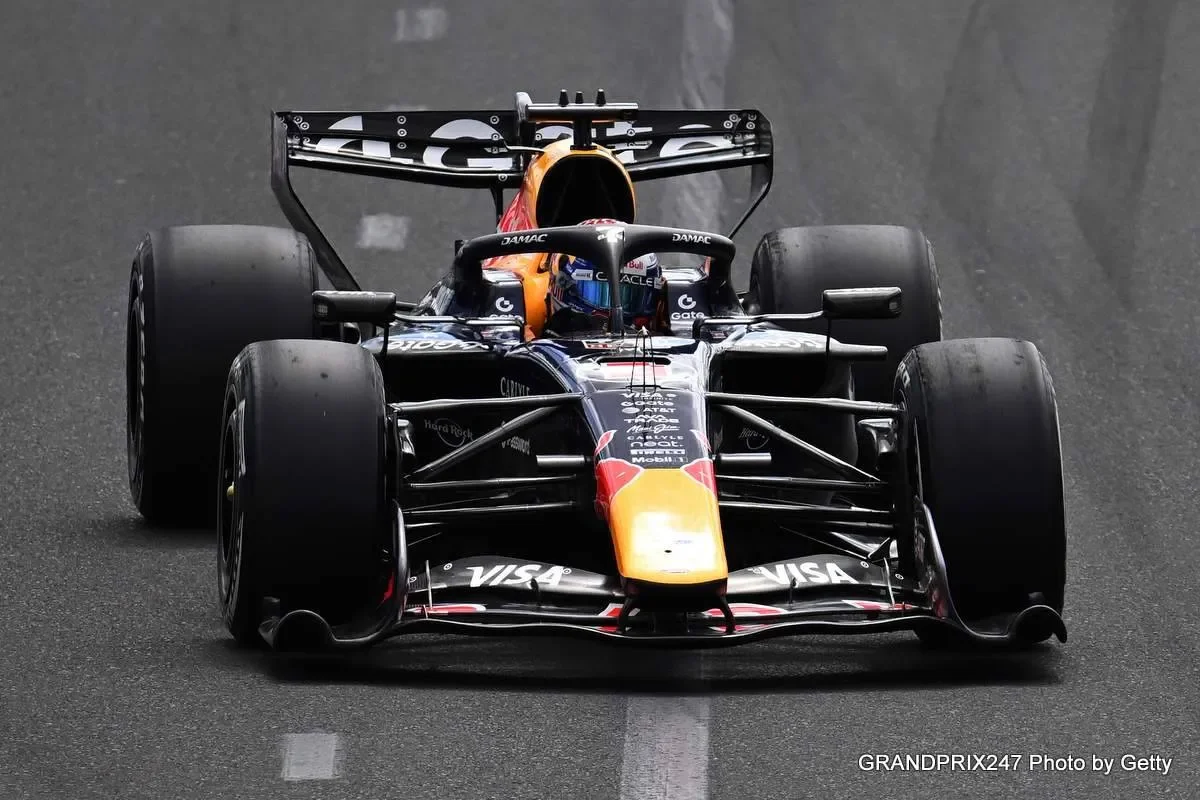
“Like I said I love racing, but we can only take so much, right?” Verstappen stated. “I think they are willing to listen, FIA and F1, I just hope of course that there is some action.”
He stressed that these views are shared widely within the community, not just by himself.
“I mean it’s not that I’m the only one saying it, I think a lot are saying it, if it’s drivers, fans, we just want the best for the sport. It’s not like we are critical just to be critical, we are critical for a reason, we want it to be F1, proper F1 on steroids, today that of course was again not the case.”
When pressed on whether his potential departure should concern Formula 1, Verstappen shifted focus back to the rules themselves.
“I think what they should worry about is the rules, just focus on that,”
he said, adding,
“They ask questions, and I give my opinions on what I would like to see, and what I think is better for the sport because I do care about it, I do love racing, and I want it to be better than this, right?”
Energy Constraints at Albert Park Reveal Flaws in New Regulations
The Australian Grand Prix’s Albert Park circuit is known for placing tight energy limits on cars, which laid bare the weaknesses in the 2026 rules during the event. The necessity for careful battery deployment heavily influenced overtaking opportunities and race strategies, showcasing how the electric component of the power unit shapes racing dynamics under the new system.
Though Formula 1 and the FIA have expressed willingness to consider rule adjustments this season, Verstappen remains doubtful about minor tweaks being enough to resolve the fundamental issues.
“I mean it’s not like little tweaks, for sure,”
Verstappen commented, signaling that substantial changes would be necessary to restore competitive and enjoyable racing. With the next big engine regulation update only expected in 2030, the sport faces a challenge in addressing these concerns over the next several years.
Implications for the Future of Formula 1 and Driver Engagement
Verstappen’s continued criticism of the 2026 technical regulations underscores a significant tension between the sport’s ambitions for technological progress and maintaining driver satisfaction and fan engagement. His warnings emphasize the risk of losing top talent if racing under the new rules fails to deliver excitement and enjoyment. The Albert Park experience could serve as a critical test case, potentially guiding the FIA and Formula 1 management in their decisions on how to adapt the hybrid regulations to ensure the sport stays true to its high-performance racing heritage while embracing innovation.
How the governing bodies respond in the coming months may shape the future trajectory of Formula 1’s technical path and its appeal to both drivers and fans alike.
