
Formula 1, which will commence its 2026 season with the Australian Grand Prix on March 8, has risen over the past decade to become one of the world’s most popular motorsports, especially gaining significant traction in North America during the 2020s. To understand the current state of the sport, its ownership history offers important insights into how it has grown and evolved.
Founded as a racing organization in 1950, Formula One is currently governed by the Formula One Group, which is owned by Liberty Media Corporation. Liberty, a prominent media and entertainment company, also owns other major sports properties such as MotoGP, World SuperBikes, and the MLB’s Atlanta Braves.
Liberty Media acquired Formula 1 in January 2017 from CVC Capital Partners, a private equity firm that had purchased the sport in 2006 for $2 billion and reportedly earned more than $8.2 billion by 2014, according to Forbes. Liberty’s purchase price was approximately $8 billion, marking one of the largest deals in sports ownership over the past decade.
Key to Formula 1’s financial success before Liberty’s acquisition was Bernie Eccleston, the founder of the Formula One Group in 1987. Eccleston managed the organization until the sale and is credited with building its global appeal. Even after Liberty took over, Eccleston remained involved as honorary chairman emeritus and advisor to the board until 2020, stepping away at age 90.
Under Liberty’s stewardship, Formula 1 Group leadership transitioned from Chase Carey, who led from 2017 to 2020, to Stefano Domenicali, the current CEO since 2021. Since the acquisition, Formula 1 revenues have increased by roughly $2 billion, including a 14.1% growth between 2024 and 2025, reflecting the sport’s expanding global market.
Development and Milestones in Formula 1 Racing
Formula 1’s inaugural season in 1950 featured only seven races across seven countries. Fast forward to 2026, and the calendar boasts 24 races in 21 nations, a format that has been standard since 2024. Italy’s Monza Circuit holds the record for hosting the most races—75 in total—while the United States and Italy remain unique as the only countries to host three distinct Formula 1 events within a single season.
Among drivers, Spain’s Fernando Alonso leads with the most race entries, participating in 428 events before the 2026 season, surpassing second-place Lewis Hamilton of Great Britain by 48 races. Hamilton, however, claims the record for the highest number of career victories at 105 wins, and is frequently ranked alongside Germany’s Michael Schumacher and the Netherlands’ Max Verstappen as one of Formula 1’s greatest competitors.
Michael Schumacher, with 91 wins, follows Hamilton in all-time victories, while Verstappen boasts the highest winning percentage in recent history at 30.47%. Historically, Britain’s Jim Clark holds the best overall winning percentage, having triumphed in 25 out of 73 races from 1960 to 1968.
The 2026 season will start in Melbourne at 11 p.m. ET on a Saturday night and conclude with the Abu Dhabi Grand Prix on December 6.
Recent Events and Ongoing Developments in Formula 1
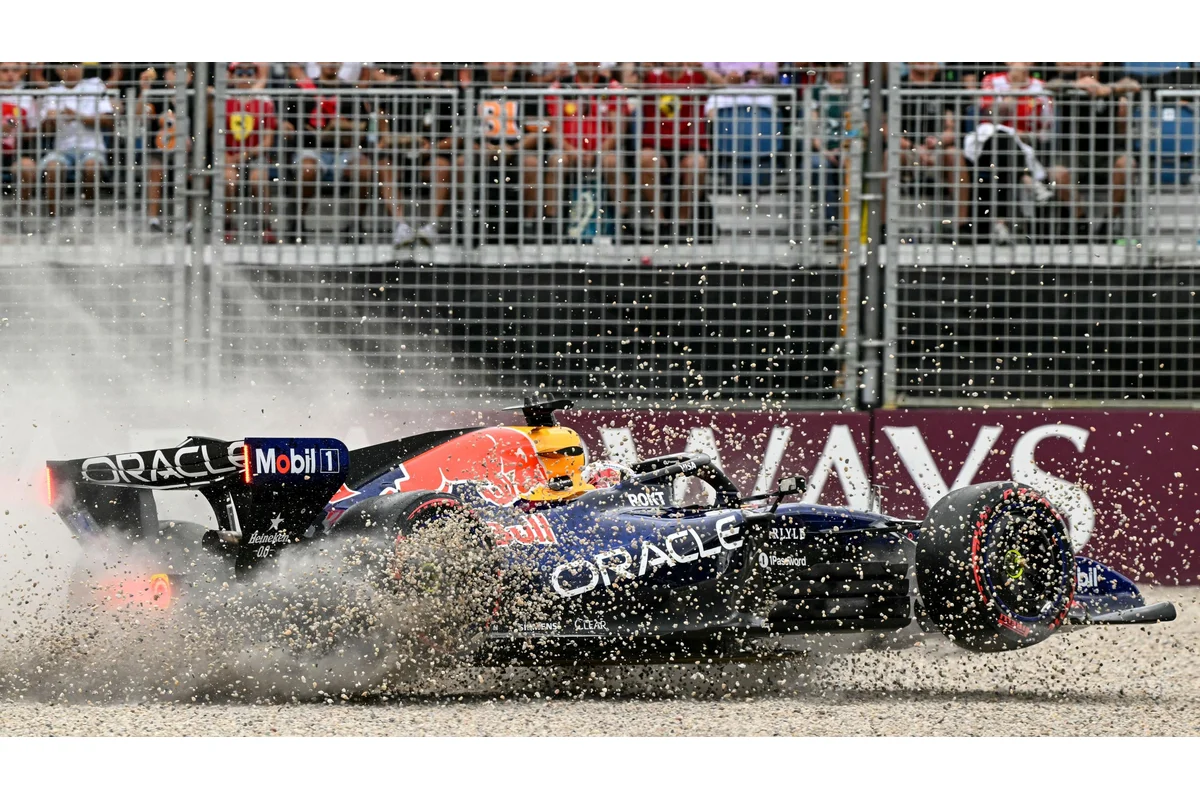
As the 2026 season begins, attention focuses on key drivers such as Max Verstappen, Carlos Sainz, and Lance Stroll and whether they will compete at the Australian Grand Prix following recent incidents. Verstappen was recently sent to a medical centre after a crash during Q1 of the qualifying rounds, raising concerns about his readiness for the race. Additionally, Mercedes faced penalties after Kimi Antonelli‘s qualifying session at the same event, reflecting the sport’s strict regulatory environment.
The Broader Significance of Formula 1 Ownership
The shifts in Formula 1 ownership over the past decades highlight not only the sport’s commercial appeal but also the careful management required to elevate it to a global entertainment phenomenon. Liberty Media’s acquisition marked a significant turning point, leading to expanded revenues and increased international reach. As Stefano Domenicali and his leadership team continue to guide Formula 1, the sport’s growing fan base and evolving calendar suggest a dynamic future ahead, with new markets and races adding to its legacy.
The sport remains a blend of rich tradition—rooted in its early seasons and legendary drivers like Schumacher and Clark—and modern business acumen, balancing sporting excellence with commercial success. This complex ownership and operational structure ensures that Formula 1 maintains its position as a premier motorsport worldwide.
