
As the 2026 Formula 1 World Championship approaches its start, all teams have revealed their cars’ designs, spotlighting a fresh era with new engine regulations and a reshaped grid. From the fanfare debut of Cadillac’s car during the Super Bowl to the understated unveiling of McLaren’s MCL40, the season promises substantial changes, both in appearance and competition. With manufacturer giants like Cadillac and Audi entering the fray and stalwarts such as Ferrari and Mercedes looking poised for battle, fans must assess teams on visuals alone until the cars hit the Melbourne qualifying track next month.
Overview of the Team Lineups and Competition Landscape
This season marks the arrival of Cadillac, the first American team attempt since Haas joined a decade ago, increasing the grid’s diversity and competitiveness. Alongside Cadillac, the grid features renewed participation from iconic suppliers like Ford and Honda, the latter powering Aston Martin’s efforts. Toyota steps up its involvement with Haas, intensifying manufacturer rivalries. In the midst of these developments, Ferrari and Mercedes appear resilient and capable, setting the stage for a thrilling contest.
With little performance data available, this article evaluates the 2026 Formula 1 liveries based on their design and visual impact, highlighting how teams express identity through color, logos, and styling.
11th Place: Cadillac’s Minimalist Black-and-White Design
Expectations for Cadillac’s first F1 appearance included a transition of their bold sports car aesthetics, particularly the elegant gold colorways, to the Grand Prix circuit. Sadly, the team presents an extremely subdued black and white livery lacking vibrance. Drivers Sergio Perez and Valtteri Bottas will pilot these visually bland machines, rumored to be among the least striking on the grid.
The Cadillac script logo placed in front of the cockpit adds a subtle brand signature, and the asymmetrical livery—where one side is the negative image of the other—offers mild visual interest. However, the absence of a title sponsor leaves the cars branded with “TWG AI,” referencing TWG Global, the parent entity controlling the team and associated holdings. TWG AI is a collaboration between TWG Global and Palantir Technologies focused on developing AI tools for financial services. Additional confusion arises because TWG Global owns Group 1001 Insurance, whose CEO, Dan Towriss, also leads TWG Motorsport, creating a tangled set of affiliations.
10th Place: Racing Bulls’ Traditional Yet Uninspired White Scheme
The Visa Cash App Racing Bulls have opted for a design consistent with previous years, little changed aside from minor refinements. While the livery avoids being outright ugly, its dominant white base feels out of place for such a dynamic motorsport team. Red Bull’s brand, synonymous with action and speed, seems at odds with this conservative coloring.
The team retains driver Liam Lawson and welcomes rookie Arvid Lindblad for 2026, adding some promise to the lineup. Red Bull’s junior squad is expected to trail notably behind the senior Red Bull team, which continues to cast a long shadow in Formula 1’s competitive landscape.
9th Place: Red Bull’s Black and Blue Design Remains Conservative
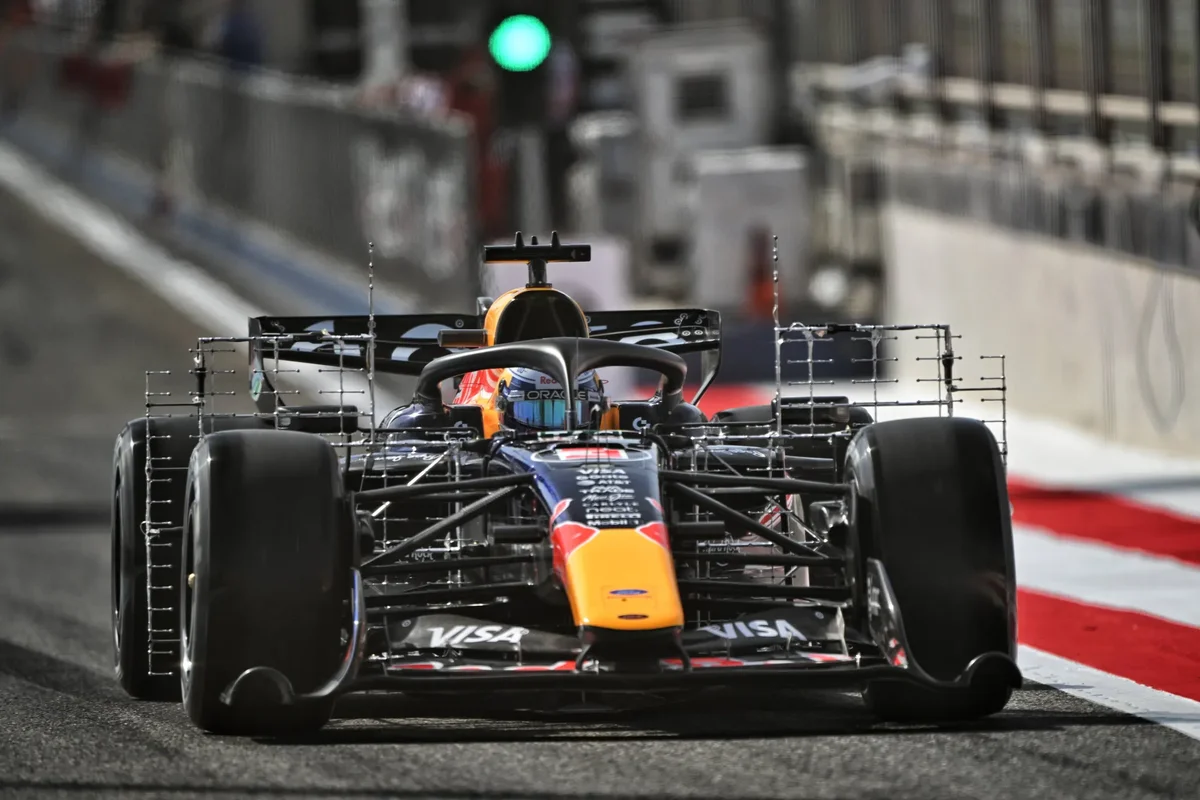
Red Bull Racing deploys four cars this season but fails to break new ground with their liveries. Their approach avoids white in favor of a black and carbon fiber palette, enhanced by strong blue accents. While visually cleaner than the junior Racing Bulls, the design lacks boldness given the team’s stature.
Max Verstappen and Isack Hadjar form the driver pairing, with Verstappen remaining the centerpiece. Team dynamics suggest continued struggles to balance development between the star and supporting driver, leaving Red Bull’s season to hinge on Verstappen’s performance. Maintaining championship relevance against Ferrari and Mercedes will remain a formidable challenge.
8th Place: Ferrari’s Return to Classic Rosso Corsa Red
During early testing in Barcelona, Ferrari signaled potential with top times, though past trends advise caution before declaring them front-runners. Their 2026 livery marks a shift from a darker, more luxurious red to a vivid Rosso Corsa, embodying Ferrari’s traditional racing hue.
An eye-catching white airbox pierces the red bodywork, showcasing Hewlett-Packard’s blue logo and evoking nostalgic references, such as the Marlboro-themed liveries of Michael Schumacher’s era or the white cockpit of Niki Lauda’s 312T2 from fifty years earlier. While the design could benefit from further refinement, it remains a step forward compared to recent seasons.
7th Place: Mercedes Retains Its Recognizable Black, Silver, and Teal
Mercedes continues in 2026 with largely consistent elements, from driver lineup to management structure, a notable stability on a changing grid. After scoring two wins and twelve podiums in 2025, the team aims to capitalize on an alleged engine performance edge as rule changes reshape competition. This stability could position Brackley at the forefront this season.
The livery remains faithful to its distinctive palette of black, silver, and teal. The Petronas teal swoop cutting through greyscale tones offers one of the year’s most memorable color accents. This bold design choice elevates Mercedes’ visual appeal, earning it a ranking higher than it might otherwise achieve.
6th Place: Aston Martin’s Brighter Green and Iconic Accents
Aston Martin revises its traditionally dark British Racing Green livery to a more vivid shade, improving visibility on television and emphasizing the team’s energetic identity. The design incorporates bright green and yellow accents inspired by Aston Martin Racing’s sports car efforts.
One less cohesive element is the baby blue rear wing advertising Aramco, which contrasts with the main green theme but ensures TV recognition. The front wing endplates feature Glenfiddich branding, a nod to the brand’s James Bond-inspired heritage.
The driver lineup, however, might dampen hopes. Fernando Alonso, though a legend, appears past his championship peak, and teammate Lance Stroll is seen as lacking championship potential despite his wealthy background. Without a standout chassis engineered by Adrian Newey’s expertise, Aston Martin faces an uphill battle.
5th Place: Haas’ Red, Black, and White Livery with Gazoo Racing Influence
Haas presents another traditionally understated color scheme of red, black, and white, but this year includes a prominent Gazoo Racing logo spanning the airbox and sharkfin, signaling Toyota’s deepening technical partnership and sponsorship.
Celebrating ten challenging seasons in Formula 1, Haas has yet to earn a podium finish. Over a decade, the team has accumulated only 386 points—far less than key teams such as McLaren, Mercedes, Red Bull Racing, and Ferrari from 2025. Toyota’s involvement in 2026 brings hope that Haas can ascend in competitiveness and potentially break into the points more consistently.
4th Place: Williams’ Embrace of Blue Hues with Whimsical Details
Williams stays true to a rich blue palette, combining dark, pale, and bold blues with hints of purple that add subtle variation. This colorful approach sets them apart from many conservative liveries across the grid.
A fan-favorite return is the Duracell battery air intake box, providing a whimsical design detail appreciated by enthusiasts for its distinctiveness. Despite these positive visual features, Williams faced challenges beginning the 2026 season, notably missing the initial Barcelona test due to delays.
The FW48 car currently exceeds minimum weight limits by about 10 pounds, potentially hindering performance. Drivers Carlos Sainz and Alex Albon bring a mixture of talent and uphill struggle; Sainz’s two podium finishes in 2025 suggest some potential if the car improves.
3rd Place: Audi’s Sleek Silver and Black Esthetics with Bold Accents
Audi introduces an eye-catching livery employing a silver and black base enhanced by vivid red-orange accents predominantly at the car’s rear. Their silver shade stands out as more vibrant than Mercedes’, creating a visually appealing machine on the track.
Although the bold color application is somewhat limited, the overall impression is classy and refined. Audi’s title sponsor, Revolut, Europe’s largest fintech company, benefits from this partnership as it prepares for expansion into the U.S. market. The exposure gained from F1 sponsorship promises to boost Revolut’s brand recognition and signal Audi’s serious ambitions.
2nd Place: McLaren’s Signature Papaya Orange and Dynamic Black
McLaren, the 2025 World Champions, maintain auspicious visual continuity by keeping their traditional Papaya orange livery, complemented by dynamic black hues. This color combination provides strong visual contrast and captures attention on any track.
One of the team’s most admired features is the Google Chrome rainbow design on the wheel covers, a subtle but inspired detail that has become synonymous with McLaren identity. However, the presence of Google’s AI brand Gemini as a sponsor is less well-received among fans and critics alike.
The driver duo, Lando Norris and Oscar Piastri, produced significant drama last season, and their competition for status continues in 2026. McLaren’s team management, under Zak Brown, faces scrutiny for failing to establish a clear number one driver, a strategy known to work for other top teams, resulting in two leaders rather than a coordinated leader and a supportive teammate.
1st Place: Alpine’s Vibrant Blend of Blue and Pink Delights Fans
Alpine’s livery is widely regarded as the season’s best thanks to its innovative and bold pairing of blue and pink. The sponsorship by BWT introduces corporate pink in a way that enhances the sleek race car, a visual treat for fans and commentators alike. This striking color choice sets Alpine apart distinctly on the grid.
The design also features the six-legged fire-breathing dog emblem of oil company Eni, adding character to the vibrant livery. Alpine’s transition from its traditional Renault powertrains to Mercedes-AMG units in 2026 aligns with its strong performance during early testing, where it ranked fifth fastest near the likes of Max Verstappen and Red Bull.
Drivers Pierre Gasly and Franco Colapinto face steep challenges to elevate Alpine to consistent podium contention. The team finished with only five points-paying results last season and has not won a Grand Prix since 2021 in Hungary. Nevertheless, Alpine’s fresh livery and promising engine switch signal potential breakthroughs ahead.
The Importance of Liveries in the 2026 Formula 1 Landscape
The 2026 season’s variety of liveries represents more than aesthetic choices; they signal shifting alliances, technological updates, and brand positioning amid sweeping regulatory changes. As manufacturers like Cadillac and Audi enter with distinctive visions and legacy teams refine their designs, colors and sponsorships become vital elements of identity and marketing.
While the competitive balance remains uncertain until races unfold, these liveries set the tone for fan engagement and sponsor visibility. Teams like Alpine lead in visual innovation, whereas others, such as Cadillac, suggest a more conservative introduction to the sport. The intensity of rivalry on track will soon test whether style can translate into substance in the race for supremacy.
As the grid settles toward Melbourne qualifying next month, all eyes remain on these cars, not only for their speed but for the story their liveries tell in this evolving era of Formula 1.
https://twitter.com/visacashapprb/status/2012008330454299098
https://twitter.com/HaasF1Team/status/2017207543823536139
https://twitter.com/F1/status/2013683558414537162
