Gabriel Bortoleto, Audi’s rookie driver, triggered upheaval at the Melbourne Grand Prix weekend by raising a safety concern that led the FIA to temporarily ban the use of straight-line mode between high-speed corners. This decision, announced just hours before the third practice session, was rescinded within two hours amid strong opposition from other Formula 1 teams, highlighting tensions around safety and competitive fairness.
FIA’s Safety Measure and Immediate Backlash from Teams
The FIA declared that activating full wing flattening between Turns 8 and 11, encompassing the fast Turns 9 and 10 where multiple drivers including Max Verstappen had struggled, was not allowed. Bortoleto had expressed worries that reduced downforce in close racing could increase accident risks. FIA sporting director Nikolas Tombazis confirmed that seven of the eleven teams experienced greater-than-expected downforce loss with the wings open, prompting the sudden ban.
However, the teams responded with frustration, arguing that the rule change invalidated their work in prior sessions. One insider remarked,
“We’re starting from scratch – with the ride height, the car setup, the energy management,”
indicating the disruption to established preparations. Critics of Bortoleto were harsher, one saying bluntly,
“If it’s too fast for him, he should drive in Formula 2.”
FIA Reverses Decision Amid Claims of Political Maneuvering
Within two hours, the FIA withdrew the restriction due to mounting protests. Observers interpreted the situation as Audi leveraging the rules for strategic advantage. Audi’s R26 cars had shown strong pace in sector 2 but struggled notably through the tightest corners targeted by the ban. Michael Schmidt of Auto Motor und Sport criticized the regulatory framework, stating,
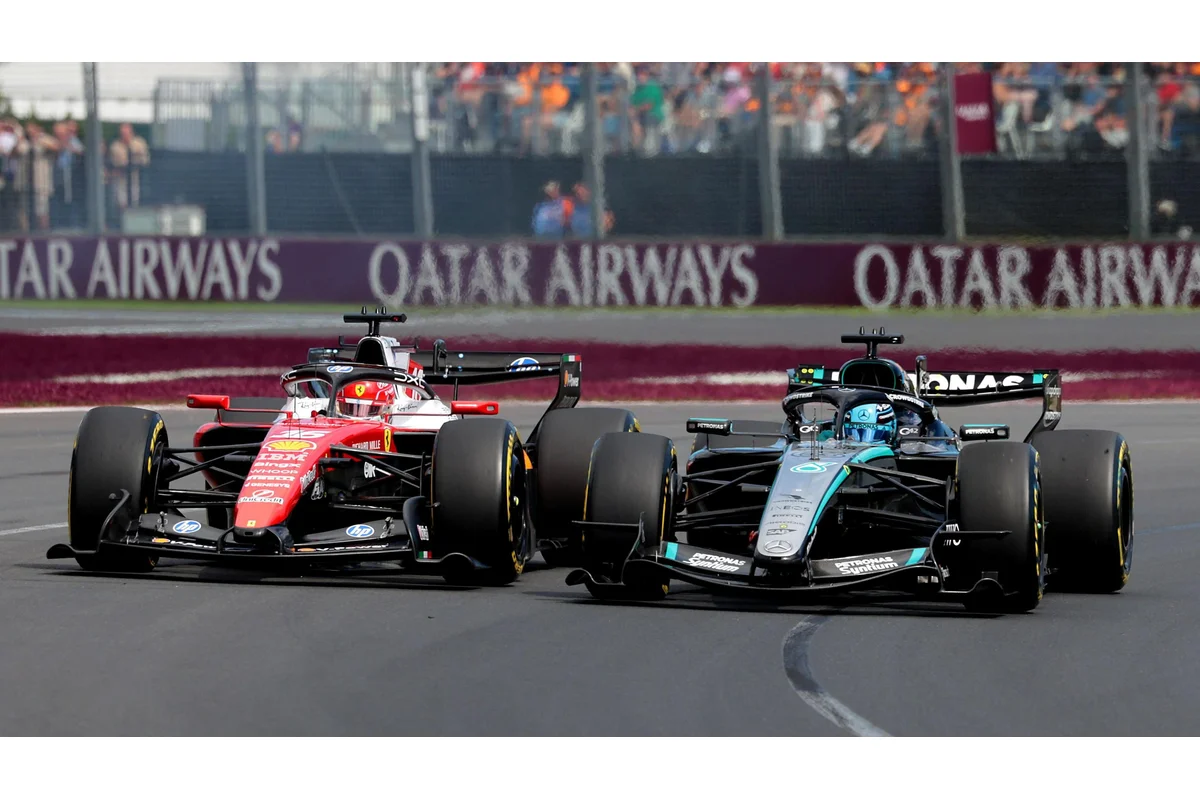
Image of: Formula 1
“The episode demonstrates once again how poorly conceived these regulations are.”
Audi’s Progress Highlights Both Promise and Turbulence
Despite the regulatory confusion, Audi’s performance remained a highlight of the weekend. Bortoleto impressively qualified for Q3 on his first outing with the team, a milestone praised by Audi team principal Jonathan Wheatley:
“For Gabriel to reach Q3 in his very first race for Audi is a special moment for everyone involved.”
Former Formula 1 driver Nick Heidfeld contextualized Audi’s promising start within a broader engine development phase, explaining,
“A new engine era is beginning in which everyone is more or less starting from scratch.”
He added,
“Audi also lobbied for certain framework conditions in the regulations – otherwise they might not have entered at all. The goal should certainly be to finish in the midfield at least, but even more important is to see improvement.”
Implications for the Season Ahead
This episode exposes ongoing tensions between safety concerns, regulatory clarity, and competitive balance in Formula 1’s evolving technical landscape. The rapid reversal underscores how unsettled teams remain by the new regulations, foreshadowing further disputes as development progresses. For Bortoleto and Audi, despite the early complications, their encouraging pace may serve as a foundation for growth amid a season defined by uncertainty and political maneuvering at the highest level of the sport.