
Shane van Gisbergen, the Auckland native, has demonstrated a remarkable command over NASCAR road-course racing, winning the last five consecutive events on such tracks as of late 2025. If he secures a victory at the upcoming race at Circuit of the Americas (COTA) this Sunday, he will tie the legendary Jeff Gordon’s record of six straight road course wins by a Cup driver. Despite not having yet achieved a win specifically at COTA, van Gisbergen’s deep understanding of what his car demands on road courses positions him as a favorite for another triumph, raising questions about whether anyone can halt his impressive streak. The focus on van Gisbergen COTA performance underscores his continuing threat in the Cup Series.
However, some experts argue that the depth of the field makes it unwise to pick a single driver outright. The competition includes strong contenders such as Christopher Bell, Kyle Busch, William Byron, and the in-form Tyler Reddick, along with promising rookies like Connor Zilisch, who already showed strong pace at COTA in his NASCAR Cup Series debut. This breadth of talent creates a crowded and unpredictable contest, complicating forecasts about the race outcome.
While van Gisbergen has excelled recently, his performance at COTA last year in cooler temperatures was less commanding, suggesting that environmental factors could influence his ability to maintain dominance. Still, given that his team, Trackhouse Racing, has developed experience over the past year, expectations remain that he will perform strongly unless conditions severely differ from prior events.
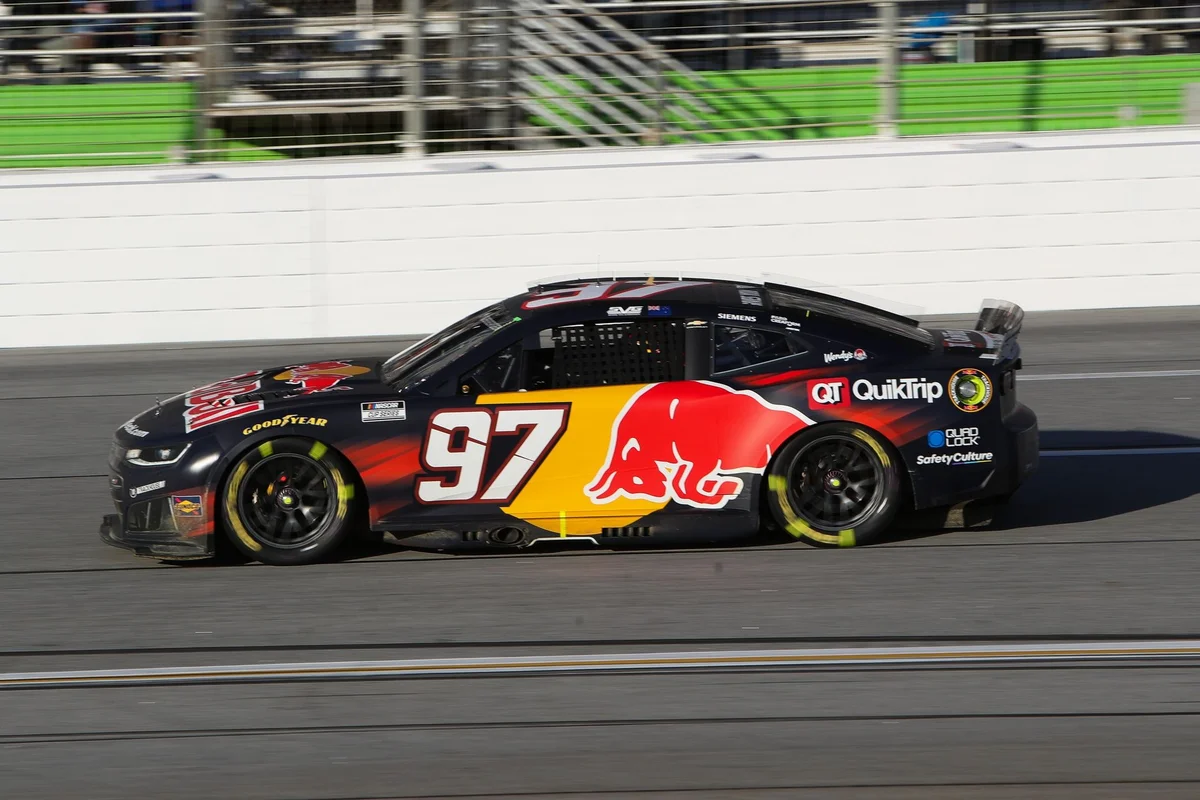
Van Gisbergen’s streak not only highlights his skill but also puts a spotlight on potential risks—the possibility that competitors’ mistakes on road courses might be the only way to disrupt his momentum, showing how formidable he currently appears on these circuits.
Evaluating the Number of Road Courses on the NASCAR Cup Schedule
The current NASCAR Cup Series calendar, with just four road-course events scheduled, marks a decline from the totals seen in previous years. Experts debate what constitutes the ideal count for road courses, balancing variety and consistency in championship testing. Opinions vary slightly, with some advocating for five road-course events to maintain diversity and reduce driver fatigue through even distribution during the season.
Others suggest increasing the number to six, especially if NASCAR adds venues such as Circuit Gilles Villeneuve and adjusts others like Watkins Glen International to a more favorable date. This viewpoint supports the idea that a greater presence of road courses would create a more complete championship that tests drivers across distinct disciplines, enhancing the sport’s competitive depth.
Considering the full schedule, road courses currently account for COTA, Watkins Glen, Sonoma Raceway, and the Naval Base Coronado race, which together stand out as non-oval challenges amid a racing calendar still dominated by traditional superspeedways. The consensus leans toward reinstating or increasing road-course events to balance the track types effectively, especially under a new points system that rewards consistency across various circuits.
Assessing Sheldon Creed’s Prospects After His Breakthrough Victory
Sheldon Creed’s recent breakthrough with his first NASCAR O’Reilly Auto Parts Series win after 138 starts marks a pivotal moment in his career, leading to discussions about his potential as a championship contender for 2026. While this win is a significant milestone, experts caution against assuming an immediate and dramatic rise to dominance, citing the razor-thin margins and the exceptional circumstances that contributed to his victory.
Projections for Creed’s performance vary, with some anticipating one to two additional wins, while others believe he could secure three or four victories. Creed’s ability to challenge for wins across diverse track types—superspeedways, short tracks, road courses, and mid-length ovals—demonstrates his versatility, but inconsistency remains a concern, as past races showed several poor finishes that could impede a sustained championship run under the new points emphasis on consistency.
Nevertheless, now that the initial hurdle of winning is cleared, Creed might approach races with less pressure, which could translate into stronger performances, particularly at drafting tracks and traditional venues where he has previously come close to victory. This evolving narrative places him among early championship candidates but stops short of declaring him a clear favorite without further evidence of resilience and repeatability.
Predicting Top Performers Among NASCAR Craftsman Truck Series Road Course Specialists
With the NASCAR Craftsman Truck Series race approaching on the Streets of St. Petersburg, attention turns to the ringers—drivers with extensive experience in road racing—expected to compete. Among these, Colin Braun is favored due to his familiarity with the track and recent involvement in competitive racing, setting him apart from others whose experience is older or less relevant.
James Hinchcliffe is also considered a strong candidate for the highest finish among ringers, supported by his substantial experience in IndyCar and victories at the St. Petersburg street circuit. While Dario Franchitti holds a more impressive overall IndyCar record, his retirement from competitive racing over a decade ago diminishes his immediate competitiveness.
The varied backgrounds and skill sets of these ringers present an intriguing subplot to the Truck Series event focused on a challenging street course, emphasizing strategy and precision that differ from oval racing.
The Ongoing Impact of Shane van Gisbergen’s Road Course Skill on NASCAR’s Future
Shane van Gisbergen’s continued dominance on road courses like COTA raises significant questions about the competitive dynamics of NASCAR’s evolving landscape. His ability to maintain such a winning streak at a time when the calendar features fewer road-course events testifies to both his personal skill and the importance of road racing prowess in the modern Cup Series.
This dominance may push other teams and drivers to refine their road-course capabilities, potentially increasing the intensity of competition at these events. Moreover, discussions about expanding the number of road courses on the schedule reflect a broader movement within NASCAR to diversify challenges and place a premium on versatile driving talent.
Looking forward, van Gisbergen’s pursuit of Jeff Gordon’s record will be a focal point throughout the season, with every race carrying the weight of whether he can extend his streak or if the collective field can finally respond. Meanwhile, emerging talents like Sheldon Creed and dedicated road course ringers add layers of complexity and excitement to the series, keeping NASCAR fans engaged as the sport navigates these transitional years.
