
The 2026 Formula 1 season started poorly for Williams, with both Carlos Sainz and teammate Alex Albon finishing outside the top ten at the opening Australian Grand Prix. The team has struggled to adapt to the new technical regulations introduced this year, impacting their competitiveness right from the start. Despite hopes raised during preseason testing, Williams encountered multiple mechanical and aerodynamic issues that remained unresolved as the season began.
Sainz Highlights the Difficult Development Period During the Winter
Carlos Sainz described Williams’ preparation over the winter as complicated, revealing the team fell behind several rivals due to the challenges posed by the updated rules. Both drivers displayed visible frustration during the race weekend, which was reflected in their race results and post-event remarks. Their inability to challenge the midfield pack so far has underlined just how far Williams must go to close the performance gap.
Sainz Details Specific Weaknesses Holding Williams Back
After finishing 15th in Australia while Albon placed 12th, Carlos Sainz admitted that their cars are not yet capable of competing for points. He pointed out that Williams is struggling across multiple fronts, including reliability, weight issues, and insufficient downforce. Sainz was blunt in assessing the situation:
“The car is not there. Sadly, the car is not there to fight for the points. If we ended in points, it would have been because of other people’s problems.”
— Carlos Sainz, Williams Driver
“We have reliability problems, we’re overweight, we lack downforce… We have to improve in every aspect.”
— Carlos Sainz, Williams Driver
Williams’ performance on race day was poor compared with their closest competitors. Teams like Haas, Racing Bulls, and Alpine secured points, while Williams was left alongside Cadillac and Aston Martin as the only manufacturers failing to score. Given the critical importance of midfield battles for Williams’ progress, their failure to break into the points early raises serious concerns about their car’s potential this season.
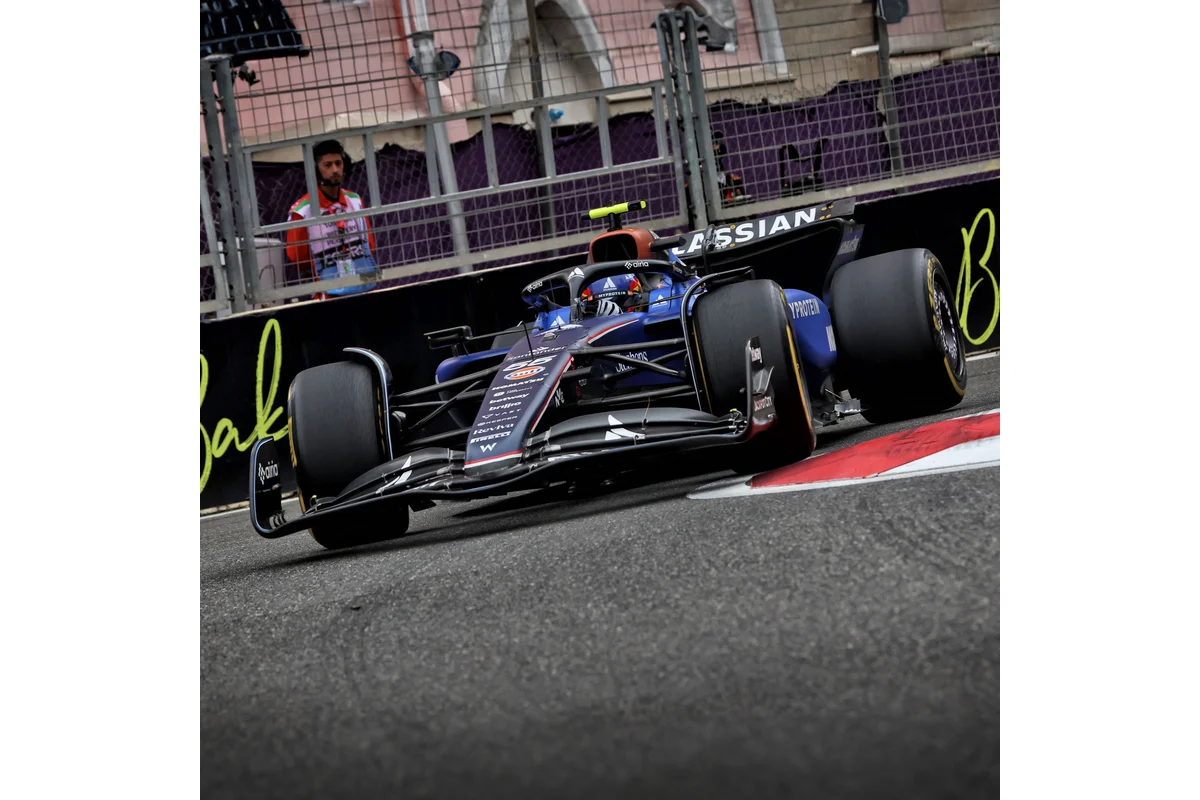
Front Wing Issues Critically Undermined Sainz’s Race Performance
Sainz also revealed that problems with the front wing seriously hampered his pace during the race. After a promising start where he briefly reached 12th position, the ongoing front wing reliability issues significantly slowed him down. He explained:
“We had a good start, we were 12 for a moment, I thought we were in the points there for a moment, then we started having reliability issues with the front wing that we’ve been having since Bahrain.”
— Carlos Sainz, Williams Driver
“We lose aerodynamic load… The active aerodynamic basically, it doesn’t recover well. I had no front wing, and I did 30 laps like a turtle with no aerodynamic charge in front.”
— Carlos Sainz, Williams Driver
These mechanical failures highlight how the car’s weaknesses are limiting Sainz’s ability to extract performance. Known for his driving skill in better machinery, his struggles with Williams reflect broader problems within the team’s development program.
Directions for Williams Moving Forward in the 2026 Season
Despite this discouraging start, Williams still has time to overcome these setbacks. The team will need rapid technical improvements and a more reliable package to become competitive. With experienced figures like James Vowles under pressure from investors due to the slow start, Williams faces intense scrutiny as it attempts to close the gap to midfield rivals like Haas and Alpine.
The Australian Grand Prix underscored that Williams must address fundamental flaws in their car’s design and development processes if they hope to gain momentum this season. How quickly the team can respond to its current challenges will determine if Sainz and Albon can begin scoring points consistently and challenging for higher positions as the year progresses.
https://twitter.com/itsnotme_ari/status/2030531299421634671
