
The first race of the season under Formula 1 new regulations took place at the Australian Grand Prix, sparking a wide range of reactions from drivers, team members, and fans. Opinions varied sharply on whether the changes brought about a positive shift or merely chaos, with emotions running high as participants grappled with unfamiliar racing dynamics.
Among the drivers, feelings ranged from enthusiasm to confusion. While some welcomed the changes, others expressed frustration or remained undecided on the effects, highlighting the challenge of assessing the impact so early in the season.
George Russell Reflects on a Turbulent Race Battle
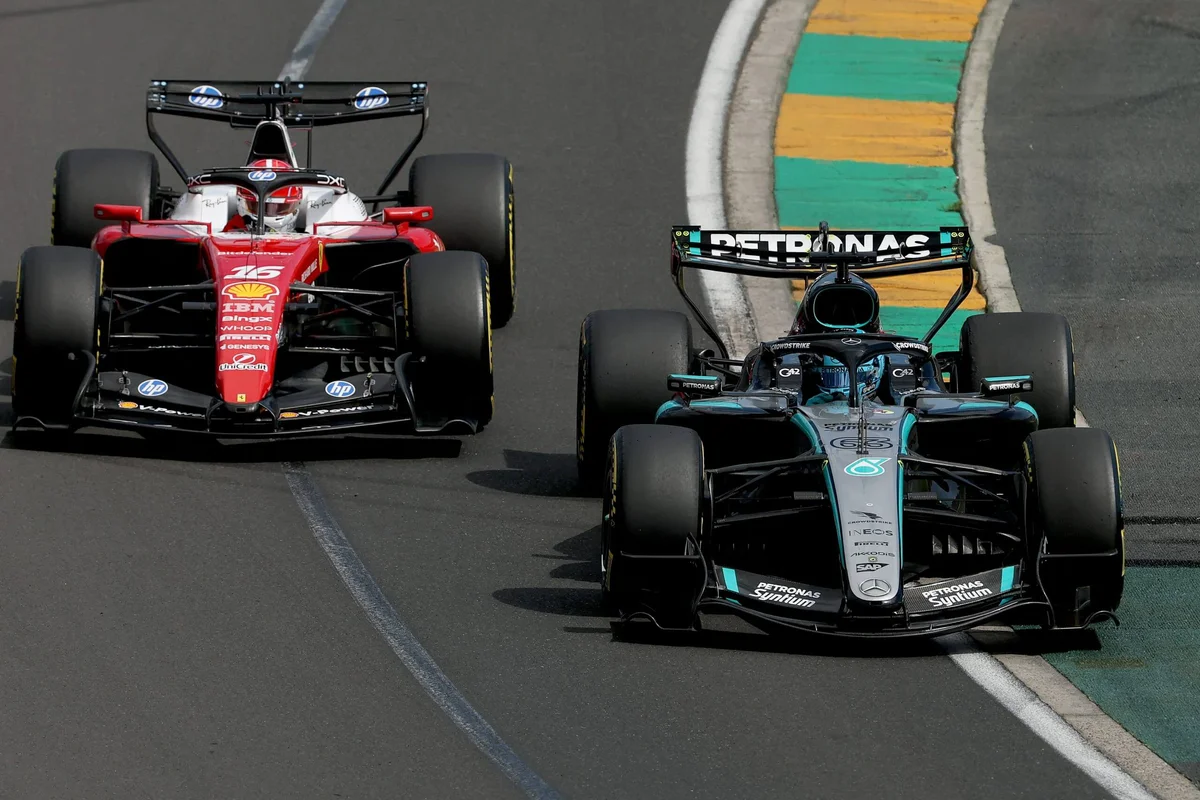
Race winner George Russell described the start of the competition as challenging and unpredictable. The duel with Charles Leclerc involved multiple lead changes that highlighted both the excitement and uncertainty of adapting to the new regulations. Russell acknowledged the difficulty in managing the car’s energy, a skill that proved pivotal during intense overtaking moments.
We had a difficult and chaotic start and from there, were yo-yoing with the overtakes between Charles (Leclerc) and me. I could have perhaps used my energy more smartly to defend when I first overtook him and that cost me when he passed me back.
– George Russell
This admission points to a broader trend of inexperience across the grid, where drivers are still figuring out how to optimize their performance within the altered racing framework.
Kimi Antonelli Highlights Learning Curve With New Rules
Second-place finisher Kimi Antonelli, in only his second year, echoed this sentiment about adapting to the updated cars. Despite his team’s strong showing, he emphasized that understanding how to navigate the new setup was a work in progress throughout the race weekend.
There is a lot we’ve learned about our car and how to operate within these new regulations this weekend.
– Kimi Antonelli
The success of their team provided a rare positive note amid the uncertainty, proving that some have adjusted more quickly to the Formula 1 new regulations.
Challenges Persist for Midfield Teams Like Esteban Ocon
In contrast, those further back in the field faced repeated challenges, such as inconsistent boost management and vulnerability after overtaking maneuvers. Esteban Ocon, who finished 11th, voiced frustration at the difficulty in maintaining positions once the temporary speed advantage ended.
Once you use the boost button and you have not managed to overtake, or even if you overtake, you are just vulnerable again on the next straight. The other guy is going to overtake you again, which happened with Pierre [Gasly] three times.
– Esteban Ocon
These struggles underscored the complexity of racecraft under the new rules and the unpredictable nature of energy use on track.
Concerns About Safety and Artificial Racing Elements from Lando Norris
Defending champion Lando Norris expressed serious apprehensions about the new system, describing the race environment as chaotic and hinting at potential safety risks. He criticized the unpredictable nature of the power units, which he said could lead to random overtakes and dangerous situations on the track.
“It’s chaos, you’re going to have a big accident, which is a shame, that’s not a nice position to be in, but there’s nothing we can really do about that now,”
Norris stated.
“It’s a shame, it’s very artificial, depending on what the power unit decides to do and randomly does at times. You just get overtaken by five cars or you can just do nothing about it sometimes.”
This perspective brings to light the anxiety some drivers feel about controlling race outcomes amid such variability.
Max Verstappen Shares a Stark View on Racing Conditions
Four-time champion Max Verstappen, known for his vocal opposition to recent changes since last year, remained firmly critical. His concise assessment captured the bewilderment permeating the paddock.
Chaos. Honestly, I don’t really find the right words for it I think.
– Max Verstappen
The similarity in language between Verstappen and Norris points to a shared frustration, though neither addressed how chaotic prior seasons also were, suggesting an immediate focus on current challenges.
Rethinking Racing Tactics Under New Conditions
The current Formula 1 new regulations especially influence energy deployment and overtaking strategies, which differ markedly from previously established norms. Teams and drivers are starting to explore innovative ways to handle the “boost” function and adjust their tactics, hinting that the season will be a continuous learning process.
This shift may ultimately redefine race strategies, as traditional approaches to holding positions or timing overtakes may no longer yield the same results.
New Rules Intended to Enhance Passing and Close Racing
The alterations aimed to alleviate issues caused by aerodynamic turbulence (“dirty air”) that once hindered overtaking. Now, drivers have more tools to compete closely, resulting in increased passing opportunities that were difficult in previous years.
While the chaotic nature of the race drew criticism, the improved chance for competitive wheel-to-wheel action reflects an intended benefit of these regulation changes.
Fuel and Tire Strategies Continue to Shape Race Dynamics
Since banning refueling during races, fuel management and tire conservation have been crucial to strategy, often preventing drivers from pushing full throttle for entire Grand Prix events. Some critics have considered this approach artificial, diminishing spontaneous racing moments.
The new regulations add further complexity by introducing energy management considerations, which could lead to renewed debates about authenticity and race quality.
Pierre Gasly Advocates Patience as New Season Unfolds
Pierre Gasly, finishing tenth for Alpine, stressed the importance of observing how these changes manifest across diverse circuit types before forming final judgments.
I think we do need to give it some time, see different tracks,
Gasly remarked post-race.
His measured view suggests that the coming events, including the upcoming Chinese Grand Prix featuring a sprint race format, will provide clearer insights into how the Formula 1 new regulations influence competition.
Outlook: Adaptation Will Define the Season Ahead
The debut weekend underscored the tension and uncertainty generated by the rule overhaul, dividing opinions sharply. While some drivers and teams have begun adapting successfully, others remain overwhelmed by the unpredictable conditions and new tactical demands.
As teams continue gathering data and refining strategies, upcoming races are key to understanding whether these regulatory changes will produce a racing revolution or settle into persistent chaos. The evolving landscape promises to reshape driver approaches and team dynamics throughout the 2024 season.
