
Ferrari maintained a trouble-free run on the second day of testing in Bahrain, while some competitors faced technical challenges. Charles Leclerc completed an impressive 139 laps and recorded the fastest time of the day, reinforcing Ferrari’s early promise with the new 2026 engine regulations.
In contrast, Red Bull encountered difficulties, with Isack Hadjar spending most of the morning in the garage due to a hydraulic issue. Mercedes also had a limited day, completing only 57 laps after an early power unit replacement for Kimi Antonelli. Meanwhile, Lando Norris led the day with 149 laps in the McLaren, although he experienced a minor stoppage near the pit lane.
Positive Indicators from Ferrari’s Customer Teams
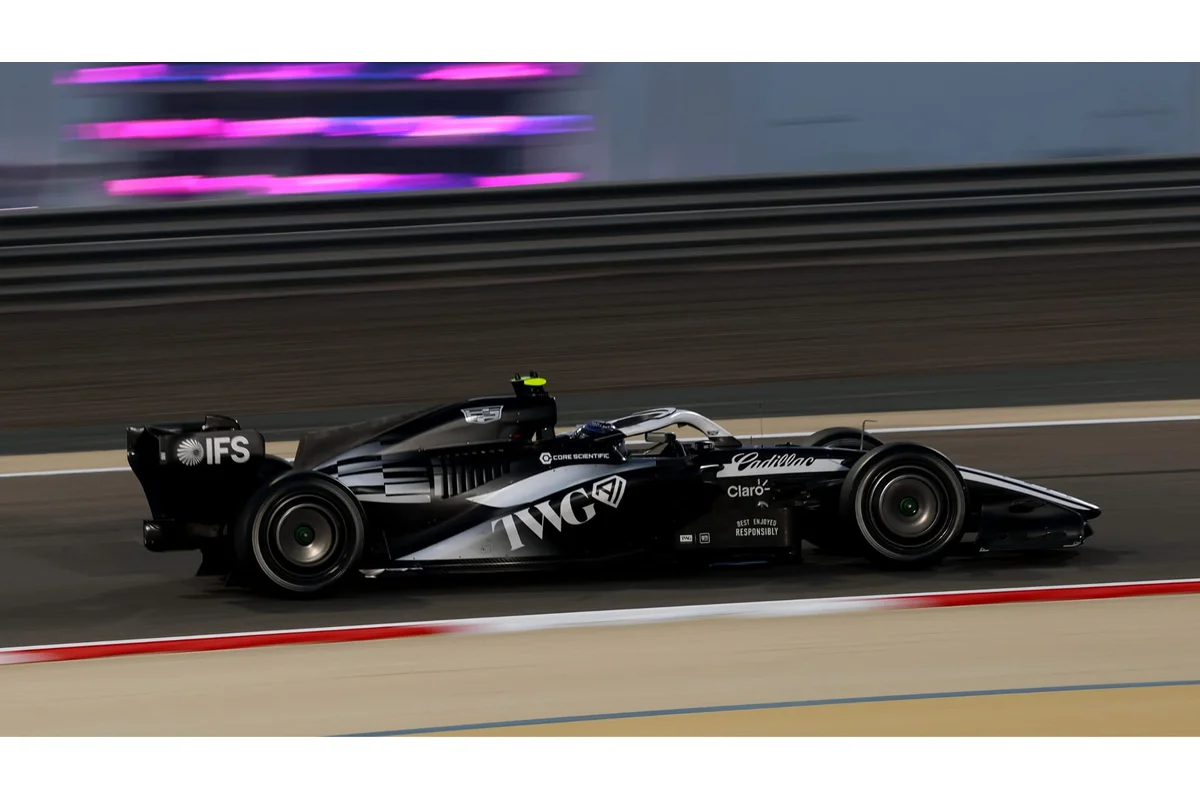
Further evidence of Ferrari’s early reliability emerged from customer teams Haas and Cadillac. Drivers Oliver Bearman, Valtteri Bottas, and Sergio Perez collectively logged 239 laps. Perez did encounter a brief stoppage on track, but the issue was quickly resolved, highlighting the resilience of Ferrari’s power units across multiple teams.
Esteban Ocon Praises Ferrari’s Engine Reliability After Testing Days
Following the initial testing days, Ferrari-powered teams amassed a remarkable total of 732 laps, gaining valuable data on the new 2026 power units. While teams like Mercedes and Red Bull attracted media attention after earlier tests in Barcelona, Ferrari’s quiet yet consistent performance suggests they may be underrated at this stage.
Esteban Ocon, driving for Haas, emphasized that although horsepower and energy deployment are still areas for development, the dependability of Ferrari’s engine is a critical advantage as the season approaches.
Reflecting on the changes to F1’s technical regulations, Ocon said,
“I like the challenge. It’s the first real rule change since I’ve been in Formula 1, and it’s interesting. It’s easier to overtake with boost management. In Barcelona, I did 150 laps and everything went well; the reliability of the Ferrari engine is incredible.”
Driver feedback will help the team understand where to work. It’s great, but difficult to drive F1 cars now; you have to do go-kart-style manoeuvres to recharge, for example. It’s difficult to brake because the car comes into corners quickly: it lacks a bit of grip at the front.
Esteban Ocon, Haas Driver
Midfield Teams Still Struggle to Challenge the Top Four
As the new era of Formula 1 unfolds with substantial rule changes, questions remain about whether the traditional hierarchy will be disrupted. While the last major revolution in 2014 saw Mercedes rise from midfield to dominance, the current early data suggest the established front-runners remain in a strong position.
Aston Martin, once considered a potential surprise contender thanks to Adrian Newey’s involvement, has faced setbacks during testing, tempering expectations for a midfield surge. Ocon confirmed to Sky IT that, based on testing performance, the top four teams still appear “far ahead,” which may dampen hopes for mid-tier teams aiming to close the gap.
Nonetheless, many of the sport’s best drivers remain concentrated within these leading teams, so fans may witness familiar names dominating this season’s title battles.
The Path Ahead for Ferrari and Midfield Contenders
As teams continue refining their cars ahead of the 2026 season, Ferrari’s early demonstration of engine reliability gives them crucial momentum. Esteban Ocon’s positive feedback highlights the potential for Ferrari-powered teams to capitalize on their dependable power units.
However, the competitive landscape remains uncertain. With energy deployment and overall power still areas of focus, the coming weeks of testing and development will be critical in determining how the competitors, including Haas and customer teams, stack up against the sport’s elite.
