
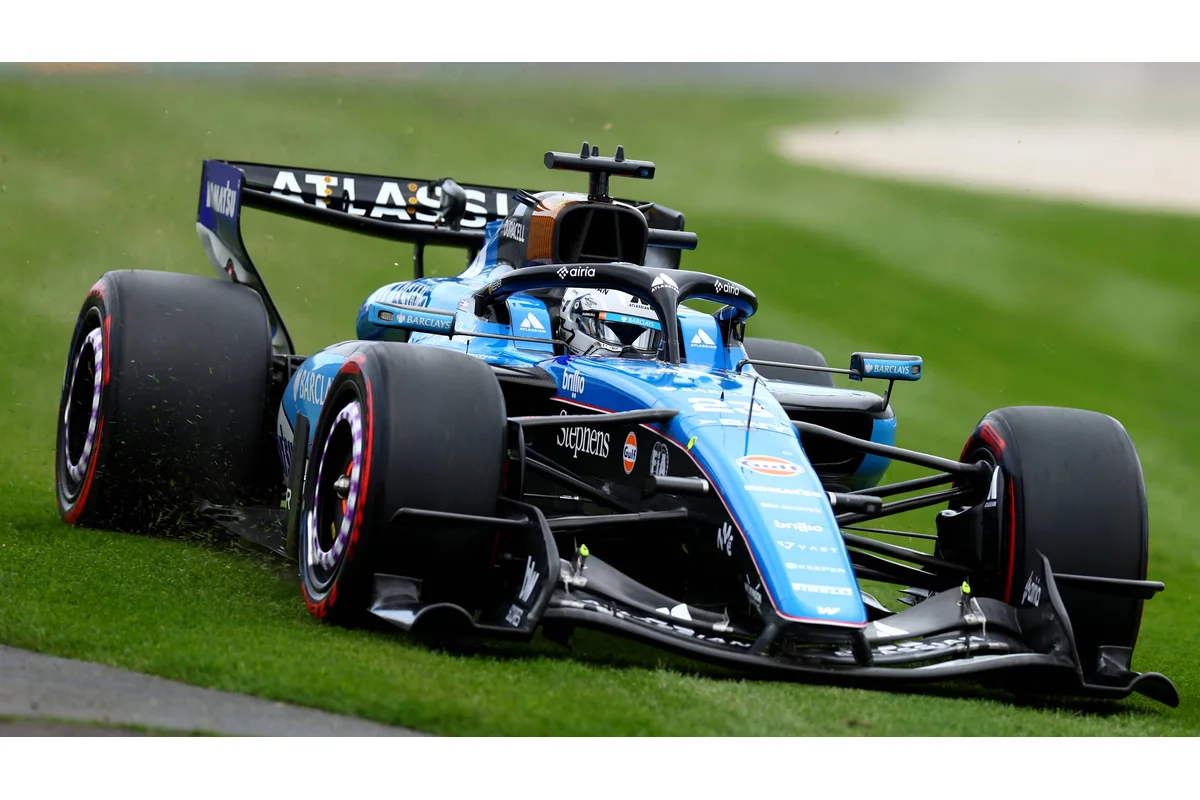
Esteban Ocon described the overwhelming pressure from the new energy demands in Formula 1 as feeling like his head is on the verge of exploding, following qualifying at the Australian Grand Prix in Melbourne. The increased workload for drivers related to energy harvesting and management is becoming a serious challenge, affecting performance and focus on the track.
Challenges at Albert Park Highlight Increased Energy Management Issues
Ocon will start the race 13th on the grid, just behind his Alpine teammate Oliver Bearman, as the difficulties of meeting the escalating energy demands became clear for the first time this season. Albert Park’s layout, with its long straights and limited heavy braking zones, makes energy harvesting particularly tough, forcing drivers to constantly juggle power use and conservation.
This complex balancing act has sparked widespread criticism across the field, including top teams like McLaren, which runs a powerful Mercedes hybrid power unit. The energy harvesting regulations are proving to be a major obstacle, disrupting race pace and strategy.
Driver Feedback on Car Handling and Engine Constraints
Ocon explained that while the cars have become easier and more pleasant to drive compared to last year, with a driving style reminiscent of 2020 due to more sliding and comfort, the engine-related restrictions create new difficulties. He pointed out that pushing the throttle too aggressively in certain corners leads to losing valuable time, something that should not happen.
I think we are not as free to do what we want to be doing,
Ocon said during a media session including RacingNews365.
We have to do things which are very artificial to try and make the rules work, and that’s where the problem is at the moment.
He expressed that the mental load is intense, stating:
In the build-up to the weekend, my head might be exploding with all the stuff, and it is still about to explode; there is too much going on.
Qualifying Setback Reflects Broader Technical Struggles
Ocon regretted missing out on a chance to reach Q3 after making a mistake during his final qualifying lap. According to his engineers, the problem involved losing rear downforce, which compromised his lap time significantly.
From what I’ve heard from the engineers, they basically said I lost rear load on the last run, which I felt on my best lap in the last sector, but I carried it throughout the whole lap on the last run,
he explained.
He estimated that this loss caused him to be about seven-tenths of a second off where he should have been, suggesting that without this issue, a Q3 position might have been possible. Ocon continued,
Basically, I had instability into every corner. It wasn’t the case when we started qualifying, so either something degraded or something broke; we don’t know yet.
Implications of Rising Energy Demands for F1 Drivers Moving Forward
The struggles faced by Ocon at Albert Park underline the significant impact of the evolving energy harvesting rules on driver performance and race outcomes. As teams and drivers continue adapting to these technical challenges, managing the mental and physical workload will be critical.
The coming races will test whether drivers can better balance these demands or whether further changes to regulations might be needed to ease the burden. For Esteban Ocon and many others, overcoming these hurdles is essential for competitiveness in the 2024 F1 season.
