
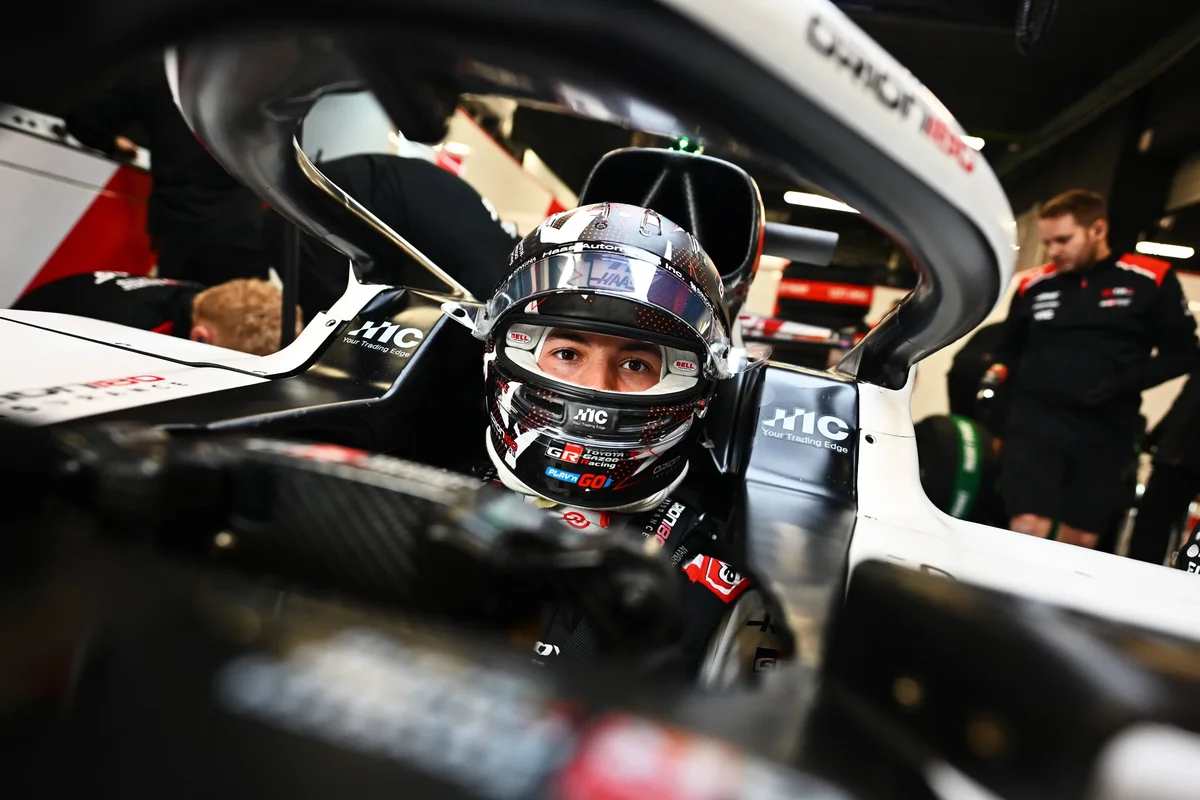
Esteban Ocon has raised significant concerns about the difficulty of overtaking in the new era of Formula 1, sparked by recent changes to aerodynamics and power unit regulations. Speaking after extensive testing with the Haas VF26 during a shakedown in Barcelona, the French driver highlighted that the updated cars may struggle to deliver the exciting battles fans expect.
Insights from Barcelona Testing Reveal Complexities of New Overtake Mode
During three days of testing at Barcelona, where Ocon completed around 400 laps, he explored the updated vehicle’s new features, notably the overtake mode. This system aims to provide temporary energy boosts when a driver is close behind a competitor. Despite its promise, Ocon’s initial observations suggest it might not make passing significantly easier, raising doubts about whether it will enhance the on-track action as intended.
I’ve been following a few cars, and it seems like you lose quite a lot of front load, even more than before. We need to see how it develops,
Ocon said to reporters, including those from RacingNews365. He was cautiously pessimistic about the overtaking potential, adding,
So far, it looks to be difficult to pass. That’s my first thought on it, but I hope it becomes easier as we progress.
Active Aerodynamics System Fails to Meet Ocon’s Expectations
In addition to his concerns about overtaking, Ocon critiqued the new active aerodynamics system introduced this season, which adjusts wing angles to reduce drag on straights and increase downforce in corners. Intended to bring a strategic edge, this technology appears to fall short in his view, resembling the existing Drag Reduction System (DRS) that will be phased out by 2026.
I’m a little bit disappointed with the active aero because it feels like just an extension of the Drag Reduction System (DRS) that we’re saying goodbye to in 2026,
Ocon remarked.
We end up using it all the time, making it more about efficiency rather than providing us with additional tools for racing.
He expressed a wish for a more flexible setup, explaining,
I would have preferred if we could set the front flap according to the corner requirements before we even hit the track. That’s true active aero in my book. The Pagani Huayra had something similar years ago, allowing drivers to tailor the setup for different corners. This current system feels cool, but it could be utilized more effectively.
Balancing Innovation with the Sport’s Core Thrill
Reflecting further, Ocon softened his earlier critique to clarify his position on the new system. He noted it may not be as negative as initially conveyed but stressed that the technology could be better applied.
Let’s say I’m not disappointed, but I think we could have used it in a better way.
As the new Formula 1 season unfolds, Ocon’s remarks underscore a tension between embracing advanced technology and preserving the fundamental excitement of close racing and overtaking. Teams and fans alike are watching closely to see if the regulatory changes will improve competition or inadvertently reduce the sport’s most exhilarating moments.
The upcoming races will reveal how drivers like Esteban Ocon adapt to these innovations, and whether Formula 1 can maintain its reputation for delivering fast-paced, strategic battles on track.
