
Formula 1‘s 2026 testing has officially commenced in Bahrain, showcasing cars built to new engine and chassis regulations ahead of the upcoming season. These initial trials offer the first public glimpse at how teams are adapting to sweeping changes that significantly alter vehicle performance and driver experience as the sport enters this pivotal chapter.
Initial Public Testing Marks New Era for Formula 1 Cars
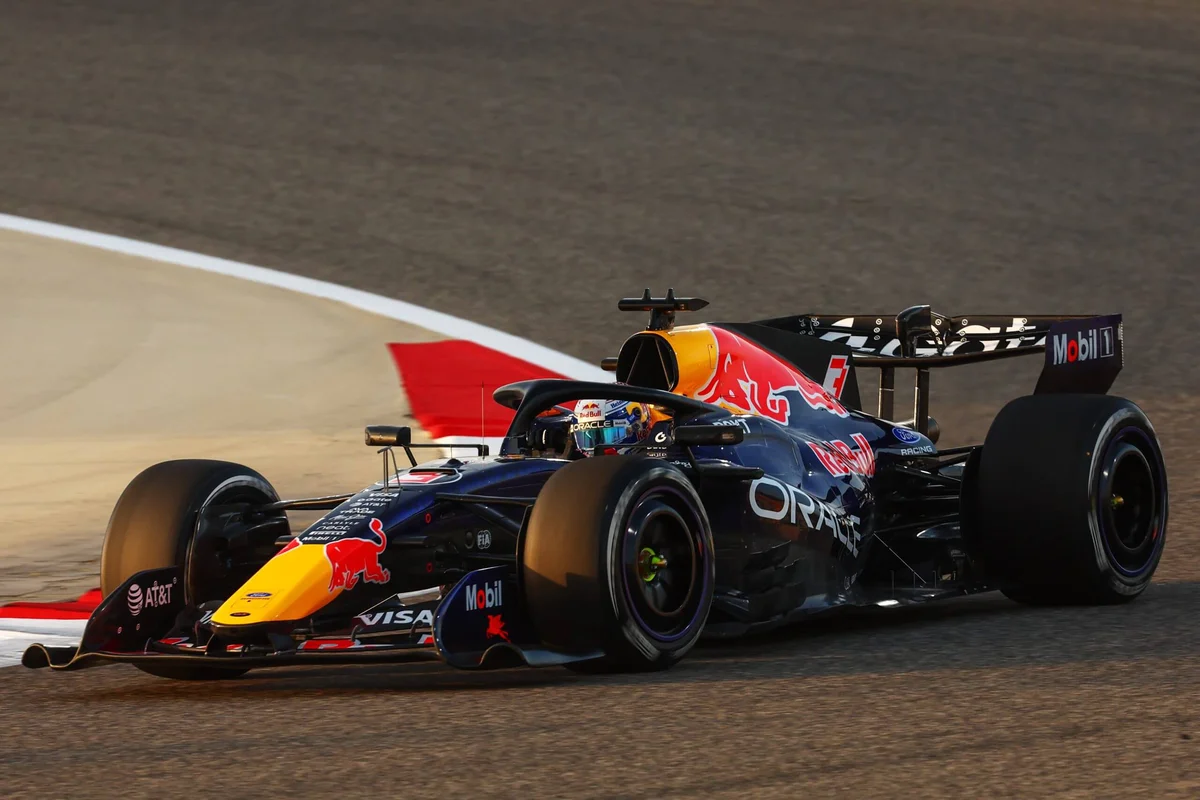
After a private test session in Barcelona, Formula 1 opened the doors to public viewing on Wednesday as the 2026 season’s first official on-track testing began in Bahrain. The focus is on understanding how the redesigned cars perform with revamped power units and aerodynamic rules. Lando Norris, driving for McLaren, recorded the fastest lap of the day with a time of 1:34.669, narrowly beating Max Verstappen’s Red Bull Ford entry and outpacing Charles Leclerc’s Ferrari by roughly half a second. However, the lap times must be viewed cautiously since teams continue to manage fuel loads and tire compounds strategically, often obscuring true pace early in the pre-season testing phase.
Significantly, this year’s machines are notably slower than their 2025 predecessors due to a drastic reduction in aerodynamic downforce and the fundamental transformation of drivetrain power distribution. To illustrate, Oscar Piastri’s pole position time in the 2025 Bahrain Grand Prix was nearly five seconds faster than Norris’ best effort in these tests.
Breaking Down the Fastest Lap: What It Reveals
Lando Norris’ quickest lap featured fewer than three sectors faster than his personal best on that lap, indicating potential for improvement within the McLaren’s performance. One notable observation during his run was a decrease in the porpoising effect that plagued cars under the previous regulations. The FIA’s near elimination of ground effect downforce appears to have raised the ride height, reducing the cars’ tendency to bounce on straights.
The 2026 power units deliver propulsion approximately evenly split between traditional gasoline engines and the electric hybrid system, which has introduced new challenges. Drivers reported experiencing a slowdown midway down the longer Bahrain straights due to power delivery characteristics. This dynamic makes tactical energy deployment and slipstreaming critical for effective overtaking opportunities.
Drivers have generally commented on the looser handling nature of these new cars, with many finding the experience more engaging and driving-focused. The reduced reliance on aerodynamics forces driver skill to take center stage once again, demanding precise control in conditions that reward careful management over high downforce stability.
Still, a reminder remains in the form of last year’s pre-season testing, where Carlos Sainz registered the fastest time—making it clear that testing results only partially forecast true race pace. Anticipation builds as teams prepare for the first competitive showdown in Australia next month.
Insights and Observations from Bahrain Testing Day One
While still early days filled with strategic concealment of true performance, several standout points emerged from the opening Bahrain test session. Mercedes team principal Toto Wolff analyzed telemetry data suggesting Red Bull’s power unit, branded the Red Bull Ford engine, has gained a significant advantage potentially worth a full second per lap. Max Verstappen demonstrated this through his remarkable top speed of 209.02 mph on the main straight—nearly six miles per hour faster than Mercedes contender George Russell, who reached 203.5 mph. Verstappen’s teammate at Racing Bulls rookie Arvin Lindblad also posted a swift 204.8 mph, underscoring the powertrain’s competitiveness.
Verstappen’s driving technique includes experimenting with more aggressive downshifts to rev the engine higher during braking phases, maximizing energy recovery in the newly enhanced MGU-K hybrid system. The removal of the older MGU-H unit has shifted emphasis to efficiently storing and deploying electrical power, a key factor for fast laps in 2026.
Williams Grand Prix made a notable return to track time after missing the earlier Barcelona outing, with Carlos Sainz and Alex Albon logging the highest lap counts of the day—77 and 68 laps respectively. Although Williams’ performance remained towards the lower end of the field, the ability to amass extensive mileage is encouraging for reliability and data collection.
Conversely, Aston Martin experienced significant difficulties, completing only 36 laps intermittently. The team dealt with overheating problems linked to their new Honda engine, reflected in Lance Stroll’s lap times that were about five seconds off the leading McLaren pace.
What These Tests Mean Moving Forward
These early tests demonstrate that the 2026 Formula 1 season is shaping up to challenge teams and drivers alike with its fundamental technical overhaul. The combination of revised aerodynamics, innovative hybrid power units, and changing driving dynamics suggests a season where driver skill may once again become paramount. Teams like Red Bull appear to have made promising progress, while others continue to face teething issues that must be resolved ahead of the first race in Australia.
The reduction in downforce and new energy management strategies indicate the emergence of different racecraft elements, such as slipstreaming and tactical energy deployment, which may enhance overtaking and on-track battles. As the pre-season moves forward, the sport’s fans and analysts will watch closely to see which teams harness these new rules most effectively to gain competitive advantage.
https://twitter.com/F1/status/2021699011078463604
FASTEST SECTORS SPEED TRAP
A couple more stats from day one – remember, it's very early days! #F1 #F1Testing pic.twitter.com/rZXzPoKp6o
— Formula 1 (@F1) February 11, 2026
