
The 2026 Formula 1 season launches at the Australian Grand Prix on March 8, taking place at Melbourne’s Albert Park circuit. The race will start at 1am Brasília time and is broadcast live on TV Globo and sportv, marking a highly anticipated return on the international racing calendar. This season begins amidst substantial changes to the cars, which are now lighter and more responsive due to updated technical regulations impacting vehicle design and energy management.
Practice sessions open on March 5, with the first free practice at 10:30pm Brasília time, followed by continued qualifying events leading up to the main race. The adjustments in car weight, fuel usage, and energy balance add new strategic challenges for teams and drivers alike.
Overview of the New Technical Rules for 2026 Cars
For 2026, Formula 1 vehicles have been redesigned to shed weight and reduce their size, aiming to enhance cornering agility and intensify on-track battles. Engineers across teams adapted their cars to these specifications during pre-season testing in Bahrain, aligning with the updated regulations.
The hybrid powertrain equally splits performance between internal combustion engines and electric power units at 50% each. Drivers must now carefully manage battery energy throughout each lap, with regeneration during braking playing a crucial role on tracks like Albert Park, known for its fast turns and long straightaways.
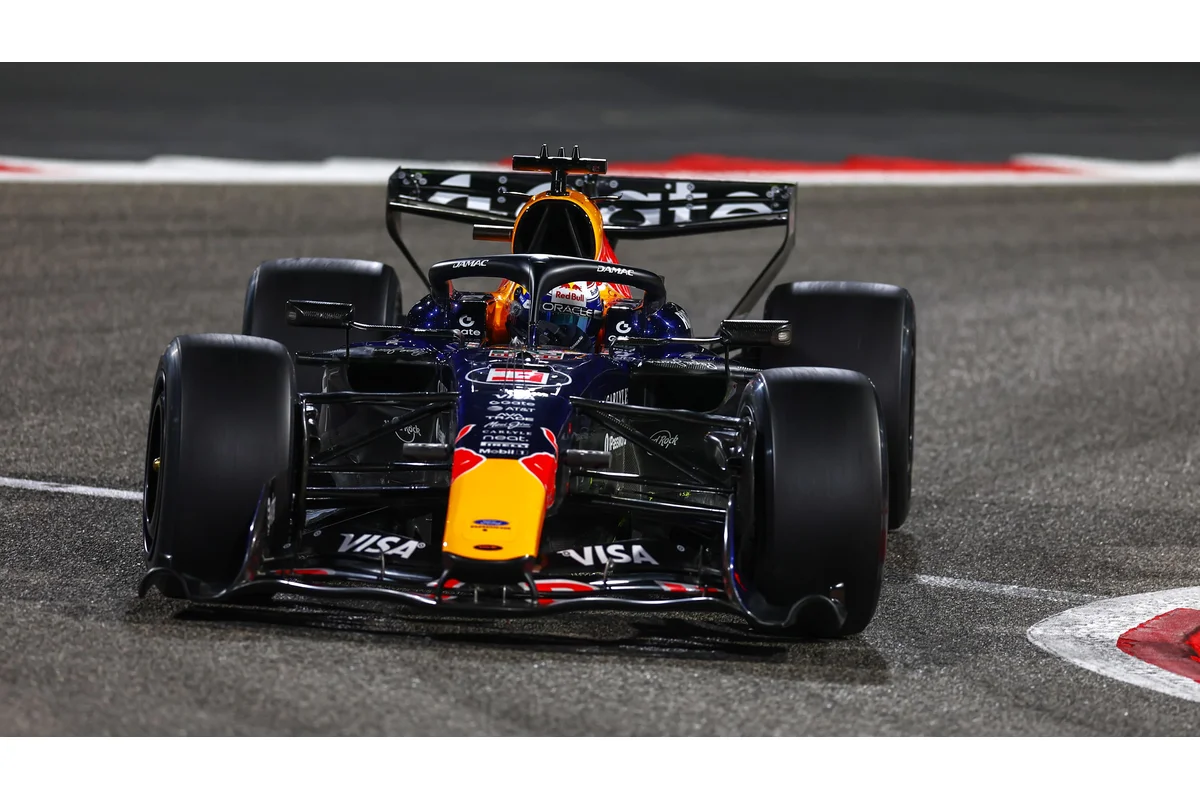
The former Drag Reduction System (DRS) has been replaced by the new Modo of Ultrapassagem (Overtaking Mode), which provides an electric power boost whenever a car is within one second of the vehicle ahead. This system aims to enable safer overtaking maneuvers without severely disrupting vehicle aerodynamics, especially benefiting tight, urban circuits such as Melbourne.
Additionally, the introduction of more sustainable fuel blends reflects Formula 1’s commitment to reducing carbon emissions. Teams collaborated closely with fuel suppliers to develop high-performance biofuels that meet environmental goals while ensuring competitive power output.
Schedule of Practice, Qualifying, and Race Sessions
The race weekend spans from Thursday, March 5, through Sunday, March 8, starting with the initial free practice at 10:30pm Brasília time. This session allows teams to run preliminary setups under the new car regulations. Additional free practices take place on Friday at 2am and 10:30pm, focusing on race simulation and final adjustments.
Qualifying is set for Saturday, March 7, at 2am Brasília time, which will determine the starting positions for the main event. The grand prix itself begins in the early hours of Sunday, comprising 58 laps around the 5.278-kilometer circuit, covering roughly 306 kilometers. With the revised technical standards, pit stop timing and tire management strategies are expected to play a greater role than in previous seasons.
Broadcast Options for Brazilian and International Fans
Brazilian viewers can watch the main race live on TV Globo free-to-air, while sportv offers comprehensive coverage of all practice, qualifying, and race sessions along with detailed commentary. The Globoplay streaming service also provides live access for subscribers on mobile devices.
For international fans, F1 TV delivers extensive coverage, featuring onboard cameras, real-time telemetry data, and multiple viewing modes tailored for a deeper technical experience. Local broadcasting in Australia aligns the race start with their daytime schedule, commencing at 3pm AEDT at Albert Park.
Predictions and Preparations from Leading Teams
Ferrari enters the season with Charles Leclerc piloting the SF-26, focusing preseason efforts on boosting electrical power efficiency across diverse circuits. McLaren, defending champion Lando Norris among their drivers, employed aggressive aerodynamic configurations aiming to preserve competitiveness.
Mercedes looks to rebound with George Russell and newly developed aerodynamic components emphasizing stability in high-speed sections. Meanwhile, Red Bull, led by Max Verstappen, tailored their car’s design to optimize the Modo of Ultrapassagem’s electric boost, especially advantageous along Melbourne’s long straights.
Aston Martin and Alpine are contending with initial setbacks due to engine vibration challenges, with Fernando Alonso and Pierre Gasly continuing despite technical obstacles. Sauber and Haas introduced Brazilian rookie drivers this season, an addition expected to heighten local spectator interest.
Williams and the Visa Cash App RB team tested the new Pirelli soft tire compounds (C5, C4, and C3), tailored for Albert Park’s surface, offering enhanced cornering grip but requiring careful wear management throughout race stints.
Historic Significance and Challenges of the Albert Park Circuit
Albert Park has hosted the Australian Grand Prix since 1996, featuring a mix of rapid straights and complex technical corners across its 5.278 km layout. The track demands precision driving with high-speed sectors coupled with zones requiring heavy braking. Recent modifications have improved safety and race flow, reducing incidents at key points.
Past legends like Michael Schumacher and Lewis Hamilton have secured multiple victories here, with Schumacher boasting six wins and Hamilton two. The 2025 winner, Lando Norris, dominated from pole position. The current lap record of 1:18.105 was set by Charles Leclerc in 2022.
Variable March weather, averaging 25°C with occasional rain, challenges teams to prepare flexible setups. Proximity to the picturesque Albert Lake offers visual charm but minimal influence on race dynamics.
Brazilian Drivers Strengthen National Interest
Brazilian presence is notable this season as Gabriel Bortoleto debuts in Formula 2, driving for Invicta Virtuosi and targeting podium finishes. In Formula 3, Matheus Ferreira competes representing Brazil with the Trident team.
These emerging talents draw from their junior category experience to quickly acclimate to the heightened competitiveness of Formula 1 support series, further engaging Brazilian audiences during the Australian GP weekend.
Tire Technology and Race Strategies for the Opener
Pirelli supplies softer tire compounds to meet the specific grip demands of Albert Park’s slow corners. Strategies generally project two pit stops, with teams adjusting plans based on training session tire wear data.
The strategic use of Modo of Ultrapassagem’s electric boost is predicted to be pivotal for gaining positions, with race simulations in Bahrain indicating that electrical power usage management could decide narrow finishes.
Team Logistics and Technical Readiness
Following pre-season testing in Bahrain, teams transported their equipment and garages to Melbourne well ahead of the race weekend. Mechanics meticulously inspect vehicle components to ensure all comply with the new regulations, aiming to avoid any penalizations.
Shakedown runs in Barcelona exposed potential performance hierarchies, but the actual competitive balance is expected to unfold on the Albert Park circuit. Technical uncertainties contribute to a dynamic and open season start, keeping fans eager to see which teams assert dominance first.
Supporting Series and Additional Weekend Events
The Formula 2 championship begins its race program with practice on March 5 at 8pm Brasília time, continuing with races on Saturday and Sunday alongside Formula 3 events focused on nurturing young driver talent. Both series have adapted their cars to the new sustainability standards.
These junior categories provide important stepping stones toward Formula 1, with their broadcasts on sportv incorporating detailed analysis to complement the main event coverage.
Enhanced Safety Protocols Implemented at Albert Park
The FIA has upgraded safety measures for 2026, including reinforced barriers around the Albert Park circuit. The cockpit protection systems such as the halo and closed cockpit design remain mandatory safeguards for driver safety.
Teams rehearse rapid-response emergency procedures, while climate monitoring enables the race direction to postpone sessions in case of dangerous weather. Officials coordinate closely with local authorities to facilitate smooth spectator movement, and health protocols continue to meet post-pandemic standards.
Economic Impact on Melbourne and Community Engagement
The Grand Prix attracts a significant influx of tourists, benefitting local hotels, restaurants, and other businesses. Authorities estimate a substantial positive economic boost for the Melbourne region, heightened by partnerships with international sponsors that increase city exposure.
Alongside the main event, side activities like historic car displays and autograph sessions engage fans, while dedicated fan zones foster direct interaction with teams. Community initiatives promote motorsport among local youth, aiming to cultivate the next generation of racing enthusiasts.
Insights from Pre-Season Tests and Predictions for Race Outcomes
Pre-season testing in Bahrain revealed Ferrari and McLaren as strong contenders in race pace, while Mercedes showed competitive qualifying speed. Red Bull prioritized reliability, and Aston Martin sought solutions for engine vibration issues to maintain consistent performance.
Experts forecast a mixed and competitive grid at the season opener, with pole position potentially contested between Leclerc and Norris, and Verstappen poised to challenge aggressively. The introduction of Modo of Ultrapassagem promises more frequent overtaking, potentially making races more exciting and unpredictable.
Functionality and Strategic Use of the New Overtaking Mode
The Modo of Ultrapassagem activates when cars are close, delivering an electric power boost independent of predefined zones, unlike the previous DRS system. Drivers train extensively to optimize activation timing for maximum benefit without overspending energy reserves.
Teams calibrate software integration between the electric boost and fuel strategies, with telemetry systems monitoring real-time usage. This innovation seeks to level the competitive playing field by shifting focus from aerodynamic dependency to strategic electrical power management during races.
