
In a dramatic start to the 2026 F1 season preparation, Isack Hadjar suffered a significant crash on his second day driving for Red Bull at the shakedown event in Barcelona last week. This incident occurred amid widespread anticipation surrounding Red Bull’s transition under new leadership following the departures of Christian Horner and Helmut Marko last year. The crash not only underscored the inherent risks of racing but also offered a glimpse into Red Bull’s evolving team culture and approach.
Hadjar’s crash echoed memories of Pierre Gasly’s accident at the same track during 2019 pre-season testing, a setback from which Gasly never fully recovered. However, the atmosphere surrounding Hadjar’s mishap was markedly different, reflecting the altered tone and professionalism within the team.
Red Bull’s Response and Testing Disruptions After Hadjar’s Crash
Following Hadjar’s crash, Red Bull was forced to withdraw from two days of testing at Barcelona as they awaited replacement parts. Previously, a similar incident might have triggered sharp, public criticisms from Helmut Marko, who was known for his candid and sometimes harsh remarks regarding the team’s second drivers.
Now under a reorganized leadership structure, Red Bull’s reaction was far more measured. Instead of public scrutiny or pressure on Hadjar, the team opted for silence, focusing on repairs and regrouping quietly. The crash occurred late on the second afternoon, prompting the team to miss both Wednesday and Thursday’s running, though they returned to track on the final morning with little announcement or fanfare.
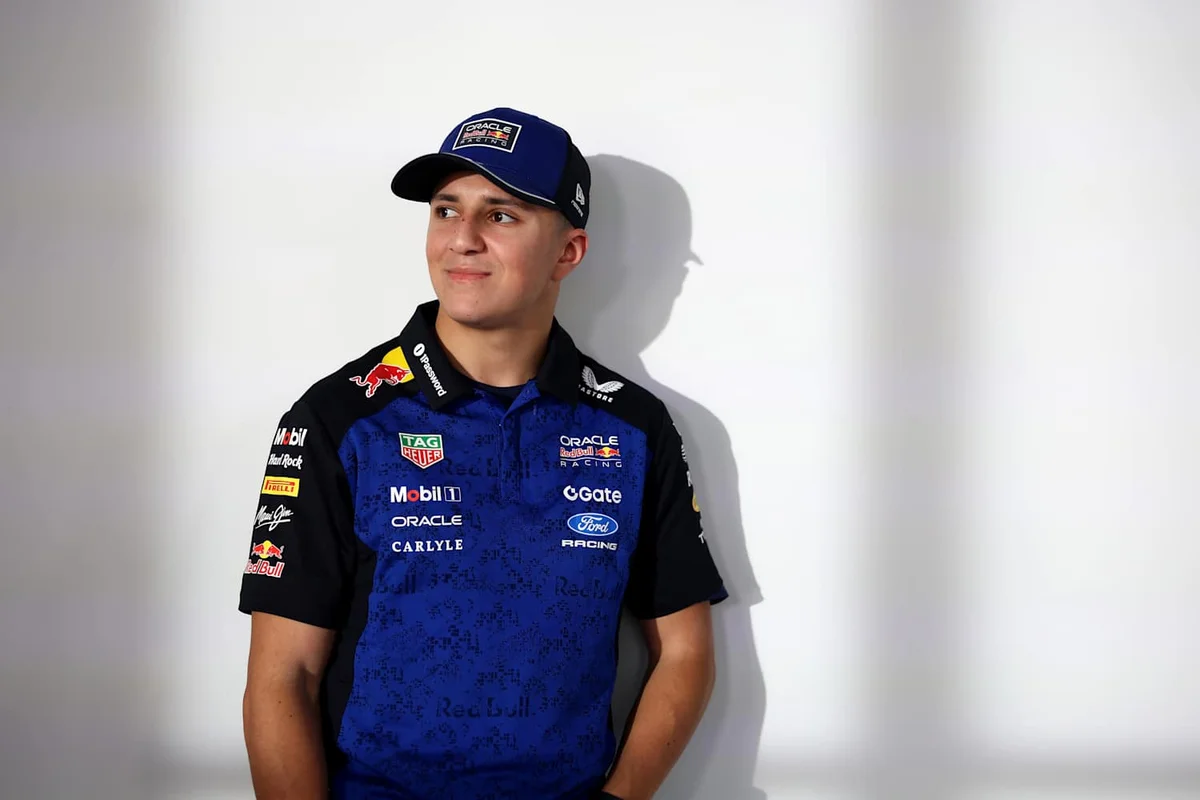
This incident represents the shift from Red Bull’s previously tumultuous internal culture, which often revolved around personal clashes and intense media scrutiny, toward a more corporate and composed environment comparable to that of Mercedes. This change has been described as the team becoming more professional, united, and dignified, distancing itself from the chaotic persona that once defined it.
Max Verstappen and Isack Hadjar Confirmed Drivers for Red Bull’s 2026 Campaign
Red Bull has confirmed Max Verstappen and Isack Hadjar as its drivers for the 2026 F1 season. With Verstappen’s proven championship pedigree and Hadjar emerging as a promising talent, expectations are high. Verstappen’s extensive experience contrasts with Hadjar’s fresh entry into the team, which has caused speculation about how the new driver lineup will gel and respond under the pressure of a highly competitive season.
In previous years, Hadjar’s presence on track hitting barriers might have drawn negative commentary from Marko, who was known for publicly critiquing his junior drivers. However, this time, no internal dissent became public, signaling a shift toward collective responsibility and greater support within the team.
Quotes from Red Bull Team Members Reveal Mindset After Early Testing
Max Verstappen expressed satisfaction with the testing despite limited early laps due to weather, emphasizing progress and the team’s determination:
“We will go again there and keep the work going.”
?Max Verstappen, Red Bull Driver
Verstappen highlighted how the extensive development of the power unit over recent years had paid off with immediate reliability, helping the team gain valuable laps and data during shakedown.
Isack Hadjar reflected on his initial days with the team, noting both positive progress and the learning curve associated with his crash in tricky conditions:
“I couldn’t have prepared for this season any better and I am hoping to come into the year strongly, but we are definitely not done with the work yet. I am learning every day.”
?Isack Hadjar, Red Bull Driver
Hadjar stressed how the new cars have different handling characteristics compared to previous generations, with less load and more predictability, which offers drivers new opportunities for adjusting setups and power unit usage.
Laurent Mekies, Red Bull’s Sporting Director, acknowledged the milestone of running the RB22 with its own power unit for the first time and praised the team’s collective effort:
“We know we have to do our homework and take things step by step.”
?Laurent Mekies, Red Bull Sporting Director
Mekies noted that while Monday’s testing day was highly encouraging with over 100 laps completed, the following day’s challenges—exacerbated by weather and Hadjar’s accident—did not diminish the achievement. He also expressed appreciation for the support from Ford, involved in supplying the power units.
Transformations in Leadership and Team Culture Shape Red Bull’s Approach
Red Bull’s landscape has been reshaped significantly since the exit of Christian Horner and Helmut Marko. Where previously the team operated under a centralized, personality-driven approach closely tied to Marko’s outspoken nature, the current leadership has shifted toward a more corporate, methodical style. This transformation aims to reduce internal friction and focus the team’s energy on technical development and on-track performance rather than managing off-track controversies.
This new professionalism is evident in how the team handled Hadjar’s crash: opting for discretion and collective problem-solving over public blame or pressure on its younger driver. The atmosphere in the garage was reportedly calm and focused, contrasting with the impassioned, sometimes chaotic environment that marked earlier years.
Implications of Early Testing Results and What Lies Ahead for Red Bull
Despite the setback from Hadjar’s crash, Red Bull’s initial testing showed encouraging signs with both drivers covering substantial mileage and collecting critical data. The integration of their own power unit marks a crucial step toward independence, and the early laps suggested a reliable foundation to build upon.
However, Red Bull acknowledges there is still a long road ahead in fully understanding and optimizing the new car and power unit combination. The next major test will come at the season opener in Bahrain, where the team will aim to demonstrate the full potential of their advancements amid the pressures of a competitive race weekend.
For Hadjar, the experience gained during these testing days—despite the crash—is invaluable as he continues to adapt to the demands of Formula 1 machinery and team expectations. For Verstappen, maintaining consistency and leading development efforts remain key to Red Bull’s championship ambitions.
This new era for Red Bull—not just in terms of personnel but also team operation and culture—reflects a pivotal moment that could define their competitiveness throughout the 2026 season and beyond.
