
During a recent test session at the Cartagena circuit in Spain, Johann Zarco shared his thoughts on Liberty Media’s takeover of MotoGP. Zarco highlighted the importance of professional performance while stressing the need for riders to accept the sport’s transformation into a spectacle to engage fans more deeply.
He emphasized the necessity to overcome superstitions that limit riders’ openness to the entertainment side of the sport.
“You really have to sometimes approach what you’re doing as a show, a performance, and embrace the enjoyment of I’m putting on a show.”
Challenges of Increased Media Demands on Riders
Zarco noted that Liberty Media’s arrival aligns with a growing expectation for riders to participate in public engagements and generate social media content. Although some riders resist these demands, Zarco accepts them as a necessary part of the professional environment.
He pointed out that Dorna, the commercial rights holder for MotoGP, often places heavy media obligations on riders. Zarco acknowledged support from Irene, who manages these duties for the LCR team, saying she understands how taxing these requests can be.
At the Cartagena track day, originally intended as a quiet training opportunity for 15 riders, Zarco found himself unable to enjoy conversations due to the unexpected number of attendees and media commitments.
“I had to create content for the official LCR team presentation… I did interviews and videos, which annoys me, but it’s very important because it’s such a huge amount of money to build a MotoGP team and stay in MotoGP that you have to play the game.”
Despite his frustration, Zarco chooses to approach these responsibilities with a positive attitude.
“Once I do it, I do it with a smile, and I put good energy into it. But when I think that it was done in my two days, where I paid for a track myself to do things for myself, it bothers me a little.”
Impact on Younger Riders and Lower Categories
Zarco, known for supporting young talent, expressed concern about the influence of Liberty Media’s arrival on the smaller classes like Moto3 and Moto2. He worries that increasing commercial focus will overshadow these crucial development stages.
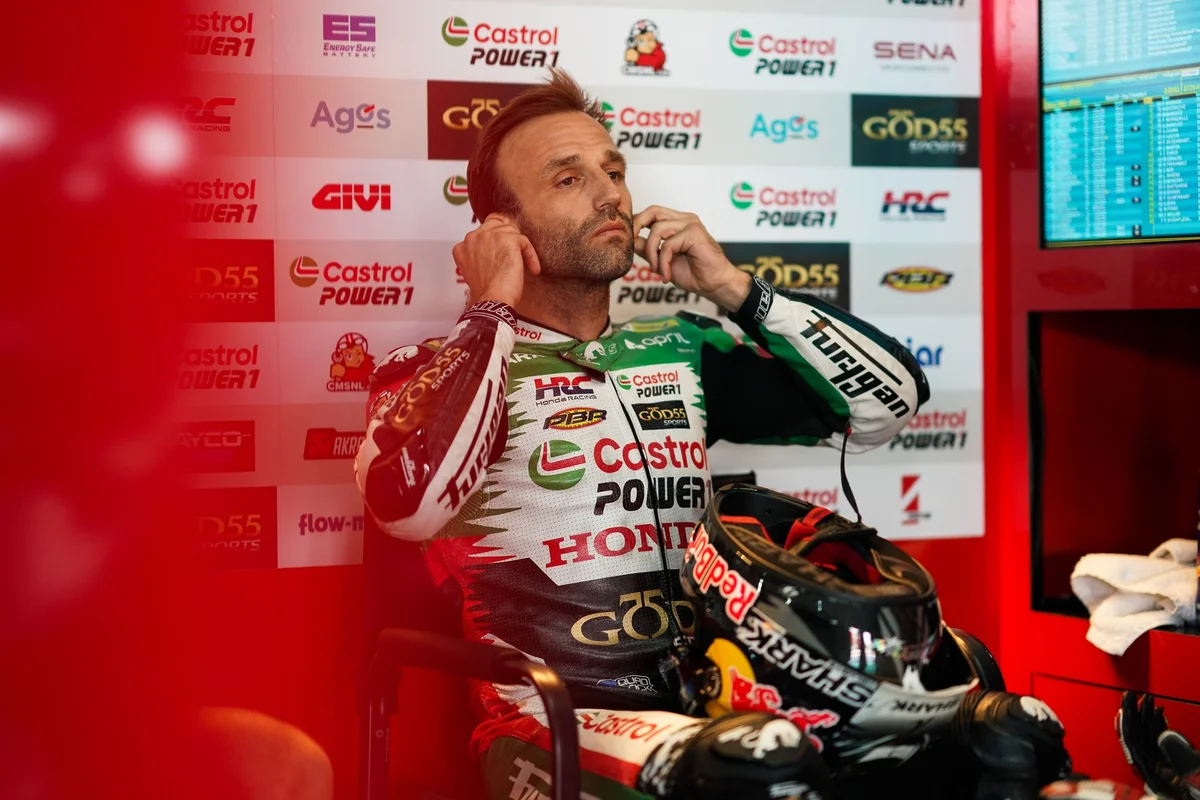
“For MotoGP riders, the arrival of Liberty Media could be a good thing. For those who have to climb from the bottom to the top, it’s going to be tough. And above all, it’s going to greatly denigrate the other categories, because it’s MotoGP or nothing.”
He stressed the difficulty young riders face, being still very young at 18-20 years old, yet expected to perform at a high level. Zarco hopes that additional budget and sponsorship from Liberty Media’s involvement will be invested in nurturing young riders better and reassuring their families to support their growth.
Opening MotoGP to Diverse Audiences
Zarco views Liberty Media’s efforts to broaden MotoGP’s appeal beyond traditional motorcycle fans as a double-edged sword. While openness to new audiences is positive, he is wary of losing the core passion and knowledge that make the sport unique.
He draws a comparison with Formula 1, where large crowds sometimes consist of spectators attracted by its trendiness rather than the technical spectacle.
“When I sometimes see the people filling the grandstands at F1 races, it makes me sad… It’s great that they fill the grandstands at F1, but they don’t know the spectacle of MotoGP.”
Previous Insights from Johann Zarco
Earlier in the interview series, Zarco shared thoughts on fellow riders and competitive dynamics, including comments on Marc Márquez and young talent Diogo Moreira.
If Márquez took the Honda, he would be in the top 5. Why not us?
— Johann Zarco, MotoGP Rider
In some ways, Diogo Moreira reminds me of Marc Márquez
— Johann Zarco, MotoGP Rider
Marc Márquez is above the average athlete
— Johann Zarco, MotoGP Rider
The Future of MotoGP Under Liberty Media’s Leadership
Johann Zarco’s candid reflections underscore the tension between the sport’s competitive roots and the push toward greater entertainment value. Riders face increasing pressure to balance athletic performance with promotional duties, while the development path for younger racers remains uncertain.
The successful integration of Liberty Media’s vision will require careful support for emerging talent and a preservation of the technical integrity that distinguishes MotoGP. As the sport evolves to captivate wider audiences, Zarco’s perspective offers a crucial insight into the challenges faced by the riders at its heart.
