
Lando Norris has supported Max Verstappen‘s sharp criticism of the 2026 F1 cars, agreeing that the new regulations have drastically worsened the driving experience. Norris noted that while Verstappen is rarely wrong, the changes have transformed the F1 vehicles from some of the best ever to what he believes are likely the worst. This comes after Verstappen voiced strong dissatisfaction with the 2026 car setup during qualifying for the Australian Grand Prix.
Following Saturday’s qualifying session down under, Verstappen expressed his frustration with the current regulations, emphasizing his struggles with the battery management system and calling for urgent adjustments. Norris echoed these concerns, highlighting how complex monitoring systems on the steering wheel distract drivers on track, affecting performance and safety.
Norris Details Key Problems Affecting the 2026 Formula 1 Cars
The central issue Norris pinpointed lies in the new powertrain design, where the energy split is evenly divided between the internal combustion engine and the battery. He argued this 50/50 distribution creates numerous challenges, particularly in managing straight-line speed and cornering. According to Norris, the necessity to constantly monitor battery levels and adjust braking points detracts from the driving flow and increases the risk of errors.
After qualifying sixth, Norris elaborated on these technical difficulties, explaining how the current setup forces drivers to slow down excessively before entering corners, leading to a disruptive driving rhythm.
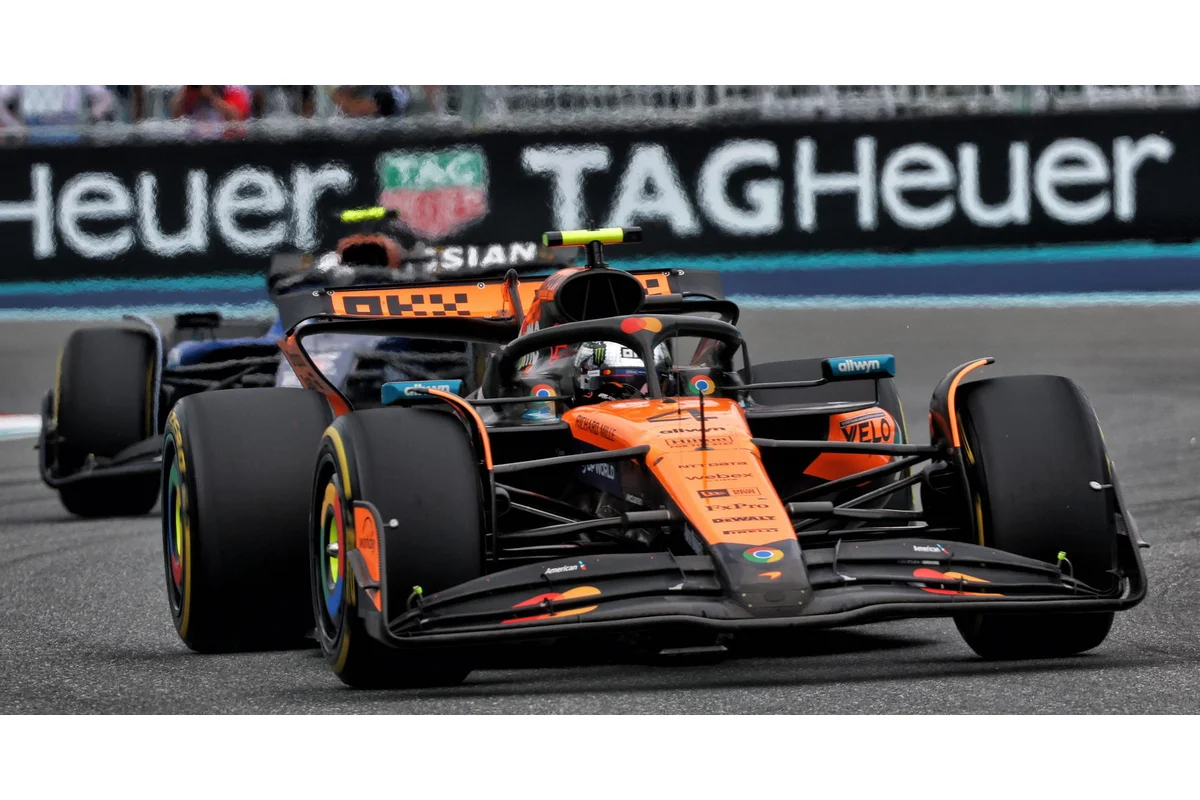
“I think everyone knows what the issues are. It’s just the fact that it’s a 50-50 split; it just doesn’t work. Straight-line mode means you’ve got a lot of other issues at hand, but the fact is, you just decelerate so much before corners,”
Norris stated.
He further noted that the constant need to “lift everywhere” to manage power delivery, combined with battery packs operating at high stress, complicates vehicle control.
“You have to lift everywhere, and if the packs at the top are too high, you’re also screwed. It’s just difficult, but yeah, it’s what we all have,”
he added.
Mercedes’ Advantage and the Race Outlook
Norris highlighted that Mercedes appears to have adapted best to the 2026 rules, partly because their power unit is developed in-house, giving them a clearer understanding of the new technical demands. Their efforts were confirmed when George Russell secured pole position for the Australian GP, with teammate Kimi Antonelli completing a front-row lockout for the Brackley-based outfit.
Despite his criticism of the cars, Norris recognized Russell’s success, suggesting the Mercedes driver is likely pleased with how his car performs under the fresh regulations. Meanwhile, Norris acknowledged the struggles of his McLaren MCL40, emphasizing his intention to optimize every aspect of the car’s performance moving forward.
The Broader Significance of the 2026 Formula 1 Car Changes
The dissatisfaction voiced by leading figures like Norris and Verstappen signals mounting tensions within the sport as teams and drivers wrestle with the updated technical framework. The new powertrain regulations intended to advance F1’s sustainability goals, but their complex implementation has compromised the driving experience and race dynamics.
The pressure on governing bodies to revisit and potentially revise the rules will likely increase if these issues persist, as highlighted by key drivers who are crucial to the sport’s competitive appeal. Fans and teams alike will be closely watching how the season evolves and whether improvements can address the urgent concerns surrounding battery management and vehicle handling.
