
The 2024 Formula One season launches this week at the Australian Grand Prix in Melbourne, with Lando Norris preparing to defend his world title amid significant technical changes. The race, held at Albert Park, is widely seen as a test of how sweeping updates to engines and chassis will influence the highly competitive field.
Last year, Norris secured his first pole position and victory at this circuit, narrowly beating Max Verstappen in a rain-soaked event filled with multiple safety car incidents. This year’s race promises better weather but comes with fresh uncertainties as teams and drivers adapt to the extensive rule changes.
Major Changes to Car Design and Power Units Challenge Teams
The 2024 cars feature hybrid power units with a roughly equal split between thermal and electric energy, placing greater emphasis on battery management during races. Max Verstappen described the driving experience as resembling “Formula E on steroids,” highlighting the new complexities.
With 22 cars now competing—expanded from 20 last season by the arrival of Cadillac as an 11th team with seasoned drivers Valtteri Bottas and Sergio Perez—the grid is more crowded, increasing the competition and unpredictability on race day.
Lando Norris on the Struggles of Battery Management
Britain’s Norris, who narrowly won the drivers’ championship against Australian teammate Oscar Piastri in Abu Dhabi last December, admits the new cars present fresh challenges.
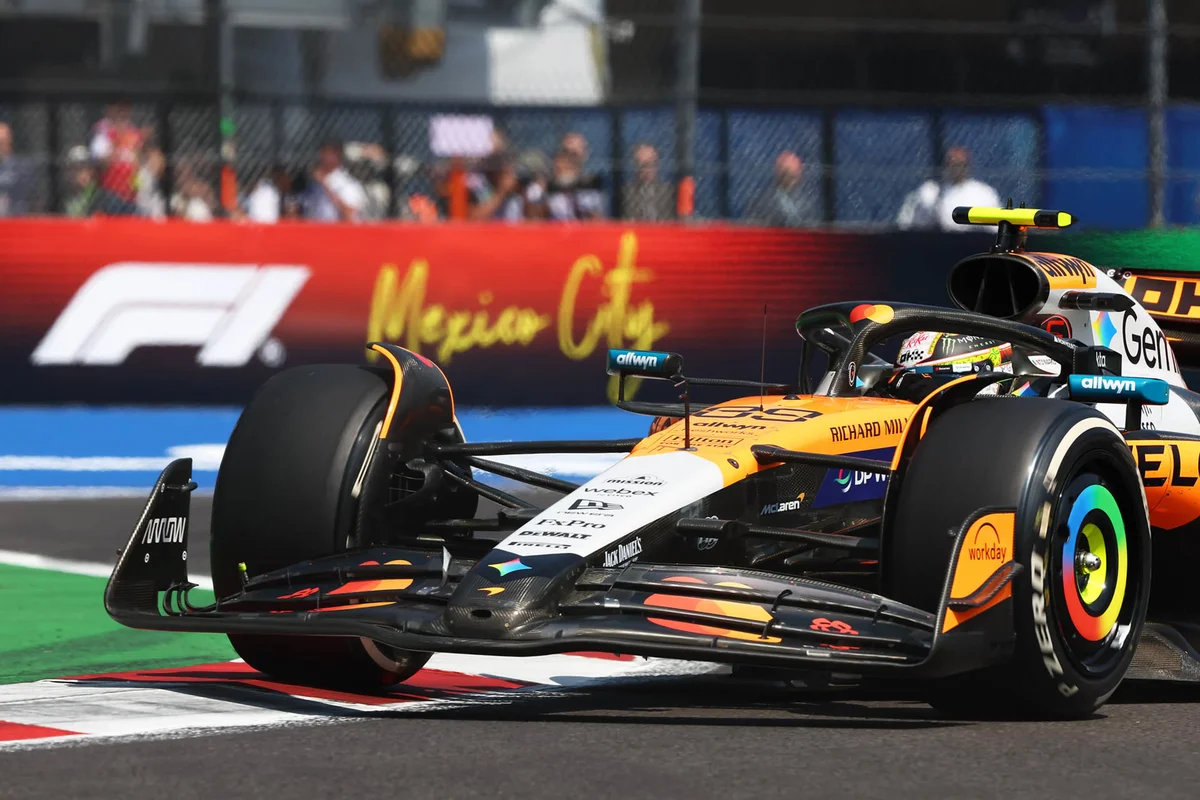
A lot of the driving is focused on just trying to get the battery to work properly and less focused on how can you as a driver get everything out of the car,
Norris said.
Despite the technical frustrations, he remains passionate about racing.
I still have fun and it’s still the job that I love to do.
Pre-Season Testing Points to Familiar Top Teams
Testing sessions in Barcelona and Bahrain suggested that the leading teams—McLaren, Ferrari, Red Bull, and Mercedes—will maintain their dominance this season. However, full performance details remain concealed as teams focus on gathering data on how new power units and chassis respond under various conditions.
McLaren enters the season holding both the drivers’ and constructors’ championships, yet team principal Zak Brown tempers expectations about starting as front-runners.
I think we’ll be in the big four,
Brown said.
I don’t think we’re in the front of the big four, but it’s going to be a long season with a lot of development.
Mercedes and Red Bull Emerge as Strong Contenders
Mercedes impressed in Bahrain with strong lap counts and competitive times, positioning them as potential favorites for Melbourne. George Russell, joined by Kimi Antonelli, expressed optimism about their speed and progress.
The new power units are feeling fast and we’re making improvements every single day. However, we need to keep on improving the reliability,
Russell noted.
Red Bull, transitioning away from Honda engines to their own factory-built power units, sees Max Verstappen starting the season with new teammate Isack Hadjar, who moves up from Racing Bulls after a solid rookie campaign.
While Verstappen earlier criticized the new cars as “anti-racing,” he recently expressed satisfaction with their performance.
Overall I’m very happy with the car – in general we don’t have too many problems, so that’s been OK.
Ferrari and Lewis Hamilton Seek to Bounce Back
Ferrari and its star drivers had a difficult 2023, including Lewis Hamilton‘s first season with the team that fell short of expectations. This year, the Scuderia appears revitalized, with Hamilton feeling a better connection to the SF-26 car.
I generally feel, personally, in the best place that I’ve been in a long, long time,
the seven-time world champion said.
It’s an exciting time with this new generation of car.
Implications for the Season Ahead
This season’s start at the Australian Grand Prix is shaping up as a crucial moment for drivers and teams to demonstrate adaptability to the substantial technical overhaul in Formula One. With energy management playing an increasingly central role, Lando Norris and others must adjust their driving strategies to optimize performance and reliability.
The introduction of Cadillac and the expansion to 22 drivers increase field depth, promising intense battles ahead. Team development throughout the season will be vital, as Zak Brown indicated, suggesting that early results may evolve considerably.
Overall, the race in Melbourne not only kicks off the championship but also marks a turning point as F1 enters a new era that blends high-powered hybrid technology with traditional racing skill in an ever-more competitive environment.
