
The opening race of the 2026 Formula 1 season with new technical regulations sparked a heated debate among drivers, fans, and teams after the Australian Grand Prix. At the heart of the discussion, Ferrari’s Charles Leclerc addressed concerns voiced by reigning champion Lando Norris about how these new rules impact race dynamics, particularly regarding energy management and overtaking.
The event at the Albert Park Circuit in Melbourne marked the first major test of Formula 1’s redesigned power unit systems and energy deployment strategies. Mercedes capitalized on the regulation shift by securing a commanding one-two finish, with George Russell ahead of teammate Kimi Antonelli, chalking up 47 points in the season’s opening showdown and establishing themselves as early championship favourites.
Race Highlights Show Mercedes Strong While Ferrari and Others Adjust
Charles Leclerc delivered a commendable performance for Ferrari, finishing third to place the Scuderia on the podium as their 2026 campaign began. Lewis Hamilton also contributed valuable points further back, signaling progress with Ferrari’s new SF-26 car. However, the race revealed that established teams like Ferrari, Red Bull, and McLaren are still adapting to the demands posed by the altered technical landscape of Formula 1.
Lando Norris faced a difficult race after a tense battle with Max Verstappen, ultimately crossing the line fifth. His post-race frustrations quickly became a focal point within the paddock, as he highlighted how the increasing complexity of power unit management influenced his ability to attack and defend during wheel-to-wheel racing.
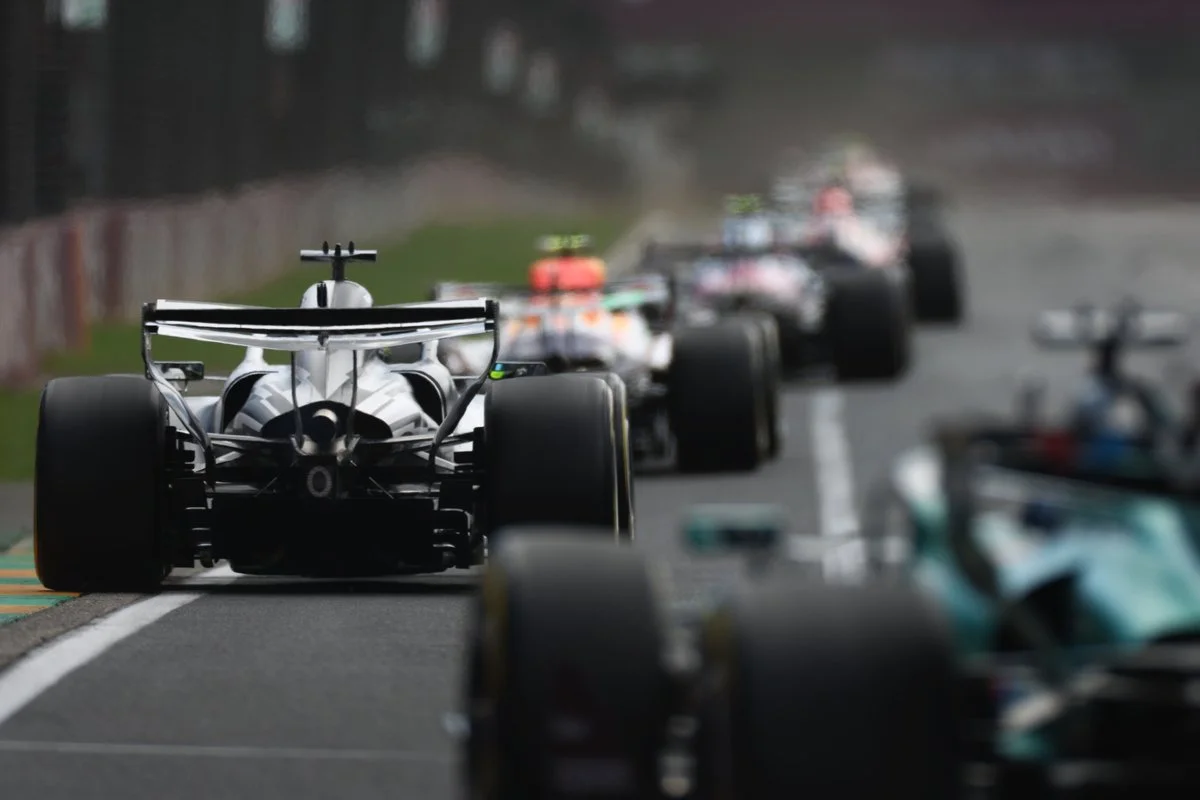
Understanding Norris’ Frustrations Over Energy Deployment Effects
Following the race, Lando Norris expressed concern about the intricacies of the new power unit systems, emphasizing their unpredictable influence on race battles. The British driver noted that the way energy deployment impacts car performance can sometimes feel out of a driver’s hands, resulting in sudden losses or gains in pace that alter the natural flow of overtaking and defense.
He pointed out that in certain scenarios, drivers find themselves vulnerable because opponents might unleash energy boosts that create artificial advantages unrelated to traditional racing skills like braking or car control. This dynamic, according to Norris, raises questions about whether the new regulations diminish the authenticity of on-track competition.
Charles Leclerc publicly acknowledged these issues when asked about Norris’ comments. Leclerc expressed understanding of the underlying concerns, noting that Formula 1’s evolving rules have undeniably introduced a new dimension to how races are contested, especially regarding tactical energy use during overtakes and defensive maneuvers.
Leclerc Highlights Shift From Braking Battles to Strategic Energy Management
The Ferrari driver reflected that in past seasons, racing duels often revolved around driver bravery and precise braking techniques, with daring moves made by delaying brake application to pass rivals into corners. He suggested that the current generation of cars incorporates a more layered challenge, where every use of energy deployment tools carries strategic consequences that can influence later phases of a lap or even subsequent laps.
Leclerc explained that modern Formula 1 demands working multiple steps ahead, forcing drivers to balance instant aggression against the longer-term management of their available energy. Rather than relying solely on instinctive braking prowess, drivers must meticulously plan timing, positioning, and power usage to achieve successful overtaking or defending.
The 28-year-old emphasized that while this style represents a significant departure from previous eras, embracing these challenges is a natural part of Formula 1’s ongoing technical and sporting evolution.
George Russell Offers More Cautious Optimism on Regulatory Changes
In contrast to Norris and Leclerc, race winner George Russell presented a more positive outlook on the updated regulations following his victory in Melbourne. He encouraged patience from drivers and fans alike, suggesting it is too early for final judgments about how the new rules will impact racing quality and spectacle.
Russell argued that immediate driver dissatisfaction often accompanies major changes in the sport and contrasted this with fan responses, which sometimes differ from the drivers’ perspectives. He also noted past seasons where comfortable car handling, with low tire wear and predictable behavior, did not necessarily create the most thrilling races despite drivers’ contentment.
For Russell, the Australian Grand Prix provided an entertaining contest even as competitors continue to adapt to changes in power units and energy management. He suggested that allowing time for teams to refine their interpretations of the new technical framework is essential before reaching final conclusions about its effect on the sport.
Early Season Debates Reflect Broader Uncertainty Over Formula 1’s New Technical Era
Some observers question whether Russell’s supportive remarks are influenced by Mercedes’ dominant performance in the season opener, since success often correlates with a more favorable appraisal of regulations. Conversely, many agree that making sweeping judgments after just one race would be premature.
The 2026 season will likely see significant evolution as teams develop upgrades and improve their understanding of the complex energy deployment systems. For Ferrari, Melbourne revealed both promise and challenges: Leclerc showed strong speed, while Hamilton is still settling into his new team, with potential to mount consistent championship challenges once refinements are introduced.
This early discussion involving Norris, Leclerc, and Russell underscores the transitional phase Formula 1 is experiencing amid its regulatory overhaul. As drivers and teams unlock the full potential and limitations of the new power units, the interplay of strategy, performance, and racing spectacle is expected to shift throughout the season’s opening contests.
While opinions on whether the updated regulations enhance or complicate racing remain divided, one certainty is clear: Formula 1’s new era has ignited intense debate in paddocks and grandstands, with the performances of top competitors poised to influence how this sporting evolution is ultimately judged.
